
 Save to feedthepins
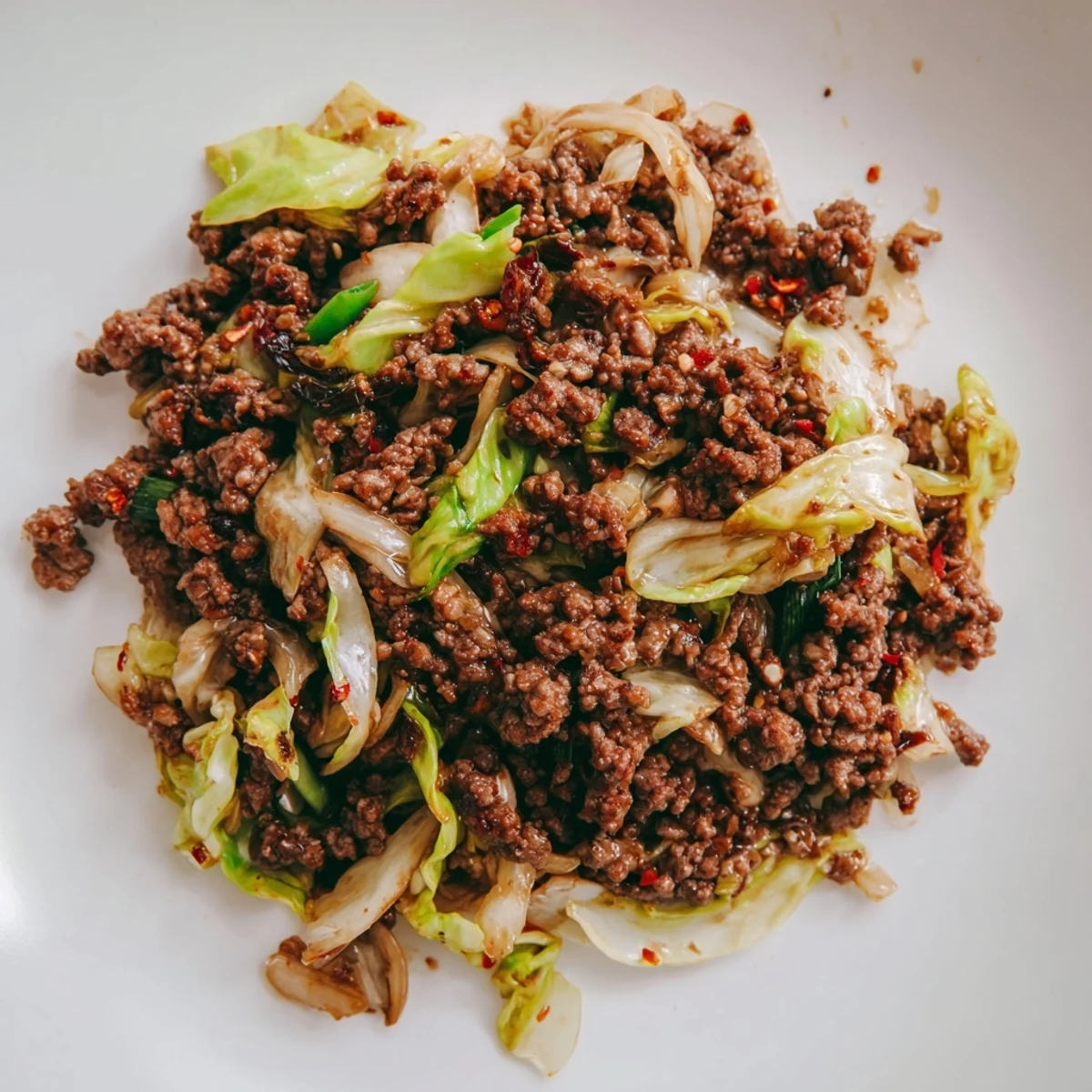
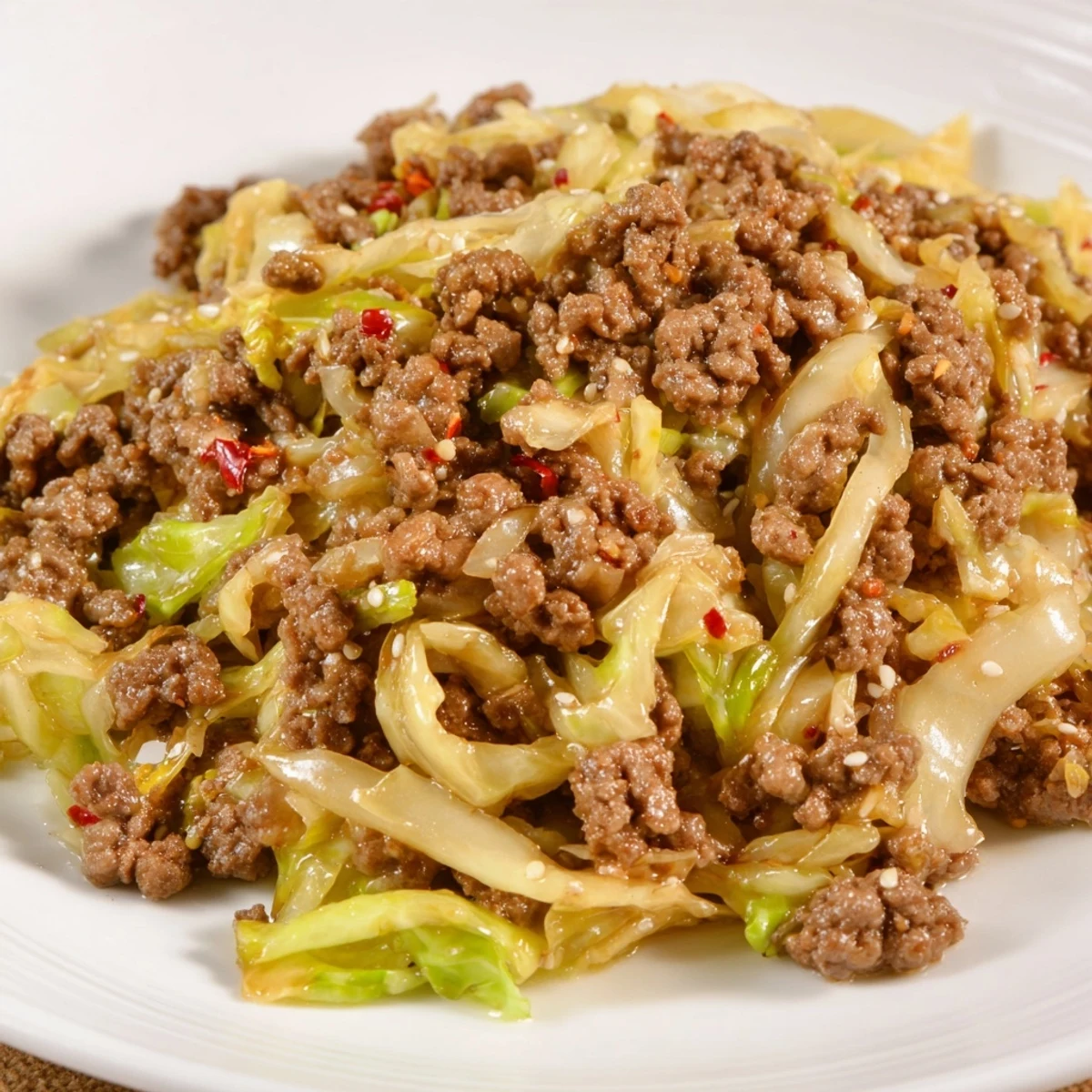
 This flavorful Asian-inspired dish combines lean ground beef with tender green cabbage in a savory Mongolian-style sauce. The preparation comes together quickly—just 10 minutes of prep followed by 15 minutes of cooking time. Aromatic garlic and fresh ginger build depth, while soy sauce, sesame oil, and rice vinegar create that characteristic sweet-savory profile. The dish naturally keeps carbohydrates low while delivering satisfying protein, making it ideal for weeknight dinners. Leftovers store beautifully for meal prep, and the versatile base welcomes additions like shredded carrots or bell peppers if you want extra vegetables. The entire family will enjoy these bold, comforting flavors.
The first time I made this dish was on a Tuesday evening when I had exactly twenty-five minutes to get dinner on the table before my partner walked through the door, exhausted from a long day at work. I'd never combined ground beef with cabbage quite like this before, but something about the Mongolian flavor profile called to me from the depths of my recipe collection. The smell of sesame oil hitting the hot pan instantly transformed my chaotic kitchen into something resembling a proper restaurant, and I knew I was onto something special. That night, we ate standing up at the counter because neither of us could wait to sit down, and the empty plates spoke louder than any compliment could.
Last winter, my sister came over complaining about how hard it was to find satisfying low-carb meals that didnt feel like punishment or deprivation. I made this for her, watching skeptically as she took the first bite, then reached immediately for seconds. She texted me the next day saying she'd made it for her family and her usually picky nephew had asked for thirds. Thats when I knew this wasnt just another weeknight dinner, it was the kind of meal that could convert even the most stubborn skeptics to the idea that healthy food could genuinely taste better than the carb-heavy alternatives.
Ingredients
- 1 lb lean ground beef: Choose 90% lean or higher to avoid excessive grease, but dont go so lean that the beef loses its juiciness and ability to carry those bold Mongolian flavors.
- 1 small head green cabbage: Look for a head that feels heavy for its size with tightly packed leaves, and slice it as thinly as your knife skills allow for the most delicate texture in every bite.
- 1 medium onion: Yellow onions work beautifully here, becoming sweet and translucent as they cook, adding a foundational savory note that balances the beefs richness.
- 2 cloves garlic: Freshly minced garlic releases oils that powdered versions simply cannot replicate, and those oils are what make your kitchen smell incredible.
- 1-inch piece fresh ginger: Peel it with the edge of a spoon rather than a knife to waste less of this aromatic root, then grate it directly into the pan for maximum potency.
- 2 green onions: These add a fresh, sharp contrast to the rich, savory elements, so dont skip them even if youre usually not a garnish person.
- 3 tbsp soy sauce or coconut aminos: This provides the essential umami base that makes the dish taste restaurant-quality, so use the best quality you can find.
- 1 tbsp sesame oil: Toasted sesame oil adds that distinctively nutty, aromatic finish that instantly signals Mongolian flavors to anyone familiar with the cuisine.
- 1 tbsp rice vinegar: A subtle brightness that cuts through the richness of the beef and oil, preventing the dish from feeling too heavy on the palate.
- 1 tbsp brown erythritol or low-carb sweetener: Just enough to balance the salty elements without making the dish taste sweet, which is the secret to that authentic Mongolian sauce profile.
- 1/2 tsp crushed red pepper flakes: Start with this amount and adjust based on your heat tolerance, remembering that a little warmth makes all the other flavors pop.
- 1/4 cup water: This helps distribute the sauce evenly and creates that glossy, restaurant-style coating that clings beautifully to every strand of cabbage.
- 2 tbsp avocado oil: A neutral oil with a high smoke point that wont compete with the bold flavors youre building in the pan.
- Salt and black pepper: Taste at the end and adjust, remembering that the soy sauce already provides significant salinity.
Instructions
- Mix the sauce first:
- In a small bowl, whisk together the soy sauce, sesame oil, rice vinegar, sweetener, red pepper flakes, and water until the sweetener dissolves completely. Set this aside near your cooking station so you can add it quickly when the moment is right.
- Brown the beef:
- Heat 1 tablespoon of avocado oil in a large skillet or wok over medium-high heat until it shimmers slightly. Add the ground beef and cook, breaking it up with your spatula, until its browned and cooked through, about 5 minutes. Drain any excess fat if there's more than a tablespoon or two in the pan.
- Bloom the aromatics:
- Push the beef to one side of the pan and add the remaining oil. Toss in the onion, garlic, and ginger, sautéing for just 1 minute until fragrant but not browned, which keeps their flavors fresh and bright.
- Add the cabbage:
- Combine everything in the pan and add the sliced cabbage. Stir well to distribute the beef and aromatics, then cook for 4-5 minutes, stirring occasionally, until the cabbage is tender but still retains some crunch and vibrant color.
- Add the sauce and finish:
- Pour in the prepared sauce and toss everything together thoroughly. Cook for another 2-3 minutes, allowing the sauce to reduce slightly and coat every strand of cabbage and crumble of beef. Taste and add salt and pepper if needed.
- Serve immediately:
- Transfer to plates or bowls and scatter the sliced green onions over the top while the dish is still piping hot, allowing their fresh flavor to meld with the rich, savory elements beneath.
 Save to feedthepins
 This recipe became my go-to during a particularly hectic month when meal prep felt overwhelming but I still wanted to eat well. I discovered that it actually tastes better the next day, the flavors having had time to develop and meld in the refrigerator. Now I often make a double batch, portioning some into containers for lunches that I genuinely look forward to eating, rather than viewing as sad leftovers that I force myself to consume.
Making It Your Own
The beauty of this dish lies in its adaptability. I've added shredded carrots for color and extra crunch, bell peppers for sweetness, and even cauliflower rice for those wanting to stretch the serving count. Each variation brings something slightly different to the table while maintaining the core essence of what makes this combination work so well.
The Art of Sauce Balance
Getting that restaurant-quality sauce consistency at home is simpler than most people think. The key is adding the sauce to a hot pan where it can immediately begin reducing and concentrating. If you add it too early or to an insufficiently hot pan, you'll end up with a watery dish that lacks the glossy, cling-to-every-bite quality that makes this recipe feel special.
Serving Suggestions That Work
While this dish stands beautifully on its own, I've discovered some pairings that elevate it even further. A fried egg with a runny yolk on top creates an incredibly rich sauce when broken, and cauliflower rice soaked in the extra flavor from the bottom of the bowl is nothing short of transformative.
- Fried or poached eggs make this feel like an indulgent breakfast-for-dinner situation that somehow works beautifully.
- Cauliflower rice serves as the perfect low-carb vessel to soak up every drop of that savory sauce.
- A simple cucumber salad with rice vinegar on the side cuts through the richness and adds a refreshing contrast.
 Save to feedthepins
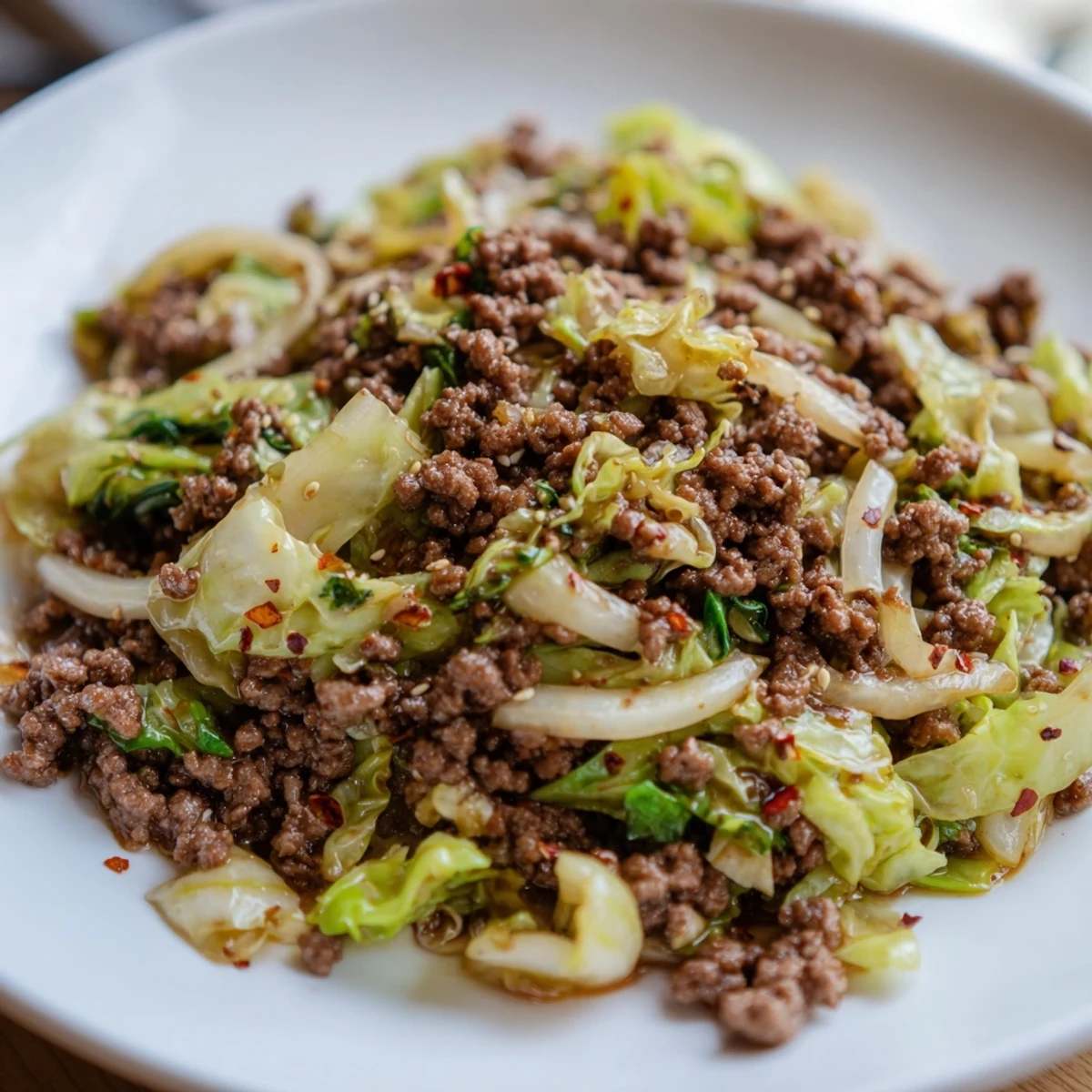
 This recipe has saved more weeknights than I can count, delivering restaurant-quality flavor in less time than it takes to decide on takeout. Hope it becomes a staple in your kitchen rotation too.
Recipe Q&A
- → What makes this dish low-carb?
-
The combination of lean ground beef and cabbage creates a naturally low-carb base. Using a sugar-free sweetener like erythritol instead of brown sugar keeps the Mongolian-style sauce keto-friendly while maintaining that classic sweet-savory balance.
- → Can I make this gluten-free?
-
Absolutely. Simply substitute regular soy sauce with tamari or coconut aminos. Both options provide the necessary umami flavor without gluten. Always verify your other ingredients, especially pre-packaged seasonings, are certified gluten-free.
- → How should I store leftovers?
-
Allow the dish to cool completely before transferring to an airtight container. It will keep well in the refrigerator for up to 3 days. Reheat gently in a skillet over medium heat or in the microwave until warmed through. The flavors often develop even more depth after sitting overnight.
- → What vegetables work well as additions?
-
Shredded carrots, bell peppers, or snap peas make excellent additions. Keep in mind that adding more vegetables will slightly increase the carbohydrate count. For extra crunch without significant carbs, consider water chestnuts or bamboo shoots.
- → Can I use ground turkey or chicken instead?
-
Yes, ground turkey or chicken work as lighter alternatives. The cooking time remains similar, though you may want to add a teaspoon of oil since poultry contains less natural fat than beef. Adjust seasoning to taste, as the final dish may be slightly less rich.
- → What pairs well with this dish?
-
Cauliflower rice complements the flavors beautifully while keeping carbs minimal. For those less concerned about carbohydrates, steamed white rice works perfectly. A fried or poached egg on top adds richness and protein. The dish also stands alone as a complete, satisfying meal.