
 Save to feedthepins
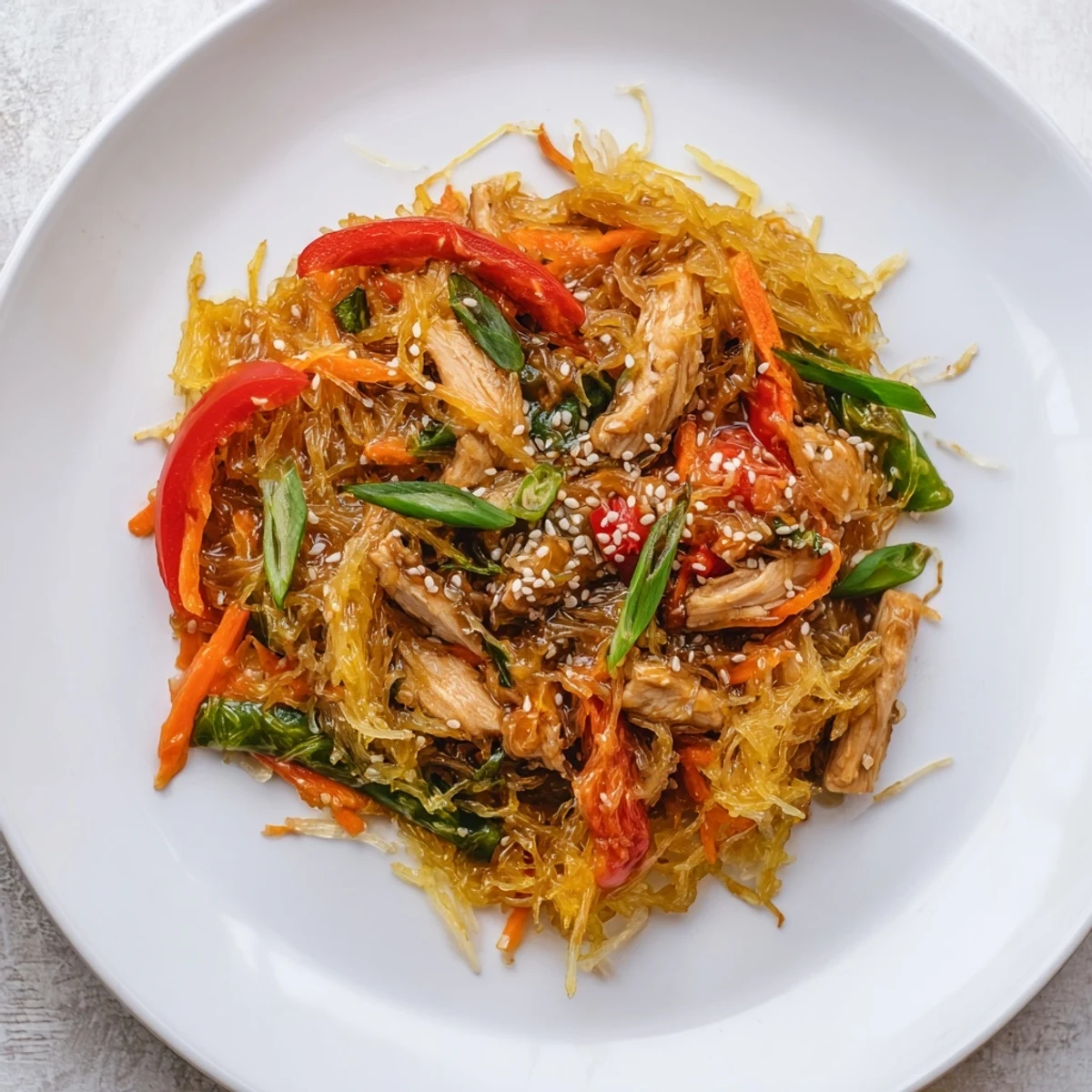
 This lighter Asian-inspired dish transforms roasted spaghetti squash into noodle-like strands, creating a gluten-free alternative to traditional chow mein. The squash develops a tender texture that pairs perfectly with sliced chicken breasts and colorful vegetables like snap peas, bell peppers, and shredded carrots.
The savory sauce combines gluten-free soy sauce, oyster sauce, sesame oil, rice vinegar, and a touch of honey for that classic umami flavor profile with subtle sweetness. A hint of Sriracha adds optional warmth for those who enjoy a bit of heat in their stir-fries.
Perfect for weeknight dinners or meal prep, this dish comes together in just over an hour. The squash roasts while you prep ingredients and make the sauce, then everything comes together in a quick stir-fry. Leftovers reheat beautifully for lunch the next day.
The smell of sesame oil hitting a screaming hot wok is one of those scents that instantly pulls me into my tiny apartment kitchen from years ago, where I first attempted chow mein with a fork and sheer optimism. I had no idea then that swapping out wheat noodles for roasted spaghetti squash would become my most requested dinner. The squash shreds into golden strands that soak up every drop of that savory sauce without weighing you down. It is the kind of dish that makes you forget you are eating something good for you.
One rainy Tuesday my neighbor knocked on my door holding a spaghetti squash from her garden, telling me she had no idea what to do with it and that I seemed like someone who would figure it out. I turned it into this chow mein, and we stood in my kitchen eating straight from the wok with wooden spoons, laughing at how unladylike we were being.
Ingredients
- 1 large spaghetti squash: This is your noodle replacement, so pick one that feels heavy for its size and has a pale, firm skin without soft spots.
- 1 cup shredded carrots: They add sweetness and a satisfying crunch that holds up beautifully to the quick stir fry.
- 1 red bell pepper, thinly sliced: Slice these into uniform strips so every bite gets a bit of sweetness and bright color.
- 1 cup snap peas, trimmed: Their natural snap brings a freshness that balances the rich sauce perfectly.
- 2 green onions, sliced: Reserve these for garnish so they stay vibrant and sharp against the warm dish.
- 2 cloves garlic, minced: Fresh garlic makes a difference here, do not reach for the jarred version.
- 1 inch piece fresh ginger, grated: Grate it directly into the pan so none of those fragrant juices escape.
- 2 boneless, skinless chicken breasts, thinly sliced: Cutting against the grain and slicing thin ensures every piece stays tender through the high heat cooking.
- 1/4 cup gluten free soy sauce (tamari): Tamari has a deeper, cleaner flavor than regular soy sauce and keeps this dish gluten free without any sacrifice.
- 1 tablespoon oyster sauce (gluten free if needed): This is the secret to that restaurant quality depth, so do not skip it.
- 1 tablespoon sesame oil: Use toasted sesame oil added at the end or in the sauce for the most pronounced, nutty aroma.
- 1 tablespoon rice vinegar: A subtle acidity that brightens the whole dish and cuts through the richness.
- 1 tablespoon honey or maple syrup: Just enough sweetness to round out the salty and sour notes in the sauce.
- 1 teaspoon Sriracha (optional for heat): I always include it, but you can leave it out or add more depending on your crowd.
- 2 tablespoons vegetable oil: Divided between roasting the squash and stir frying, this keeps things from sticking without overpowering the dish.
- 1 tablespoon sesame seeds (optional): A sprinkle on top adds a finishing crunch that makes the dish look as good as it tastes.
Instructions
- Roast the squash:
- Preheat your oven to 400 degrees F and carefully halve the squash lengthwise, scoop out the stringy seeds, brush the cut sides with a bit of oil, then place them cut side down on a baking tray and roast for 35 to 40 minutes until the flesh yields easily when pressed with a fork.
- Whisk the sauce:
- While the squash works its magic, combine the tamari, oyster sauce, sesame oil, rice vinegar, honey, and Sriracha in a small bowl, stirring until the honey dissolves and the sauce looks glossy and unified.
- Cook the chicken:
- Heat one tablespoon of oil in a large skillet or wok over medium high heat, add the sliced chicken in a single layer, and let it sear undisturbed for a minute before stirring, cooking 5 to 6 minutes total until golden and just cooked through, then remove to a plate.
- Stir fry the vegetables:
- Add the remaining oil to the same pan, toss in the garlic, ginger, carrots, bell pepper, and snap peas, and stir fry for 3 to 4 minutes until the vegetables are brightly colored and tender crisp, picking up every flavorful bit left behind by the chicken.
- Shred the squash:
- Once the roasted squash is cool enough to handle, drag a fork through the flesh from edge to edge, watching it separate into long golden strands that look remarkably like real noodles.
- Bring it all together:
- Add the shredded squash to the skillet with the vegetables, return the chicken to the pan, pour the sauce over everything, and toss vigorously for 2 to 3 minutes until every strand is coated and the whole kitchen smells incredible.
- Serve and finish:
- Transfer to plates or a large serving bowl, scatter the sliced green onions and sesame seeds over the top, and serve immediately while the dish is piping hot and at its best texture.
 Save to feedthepins
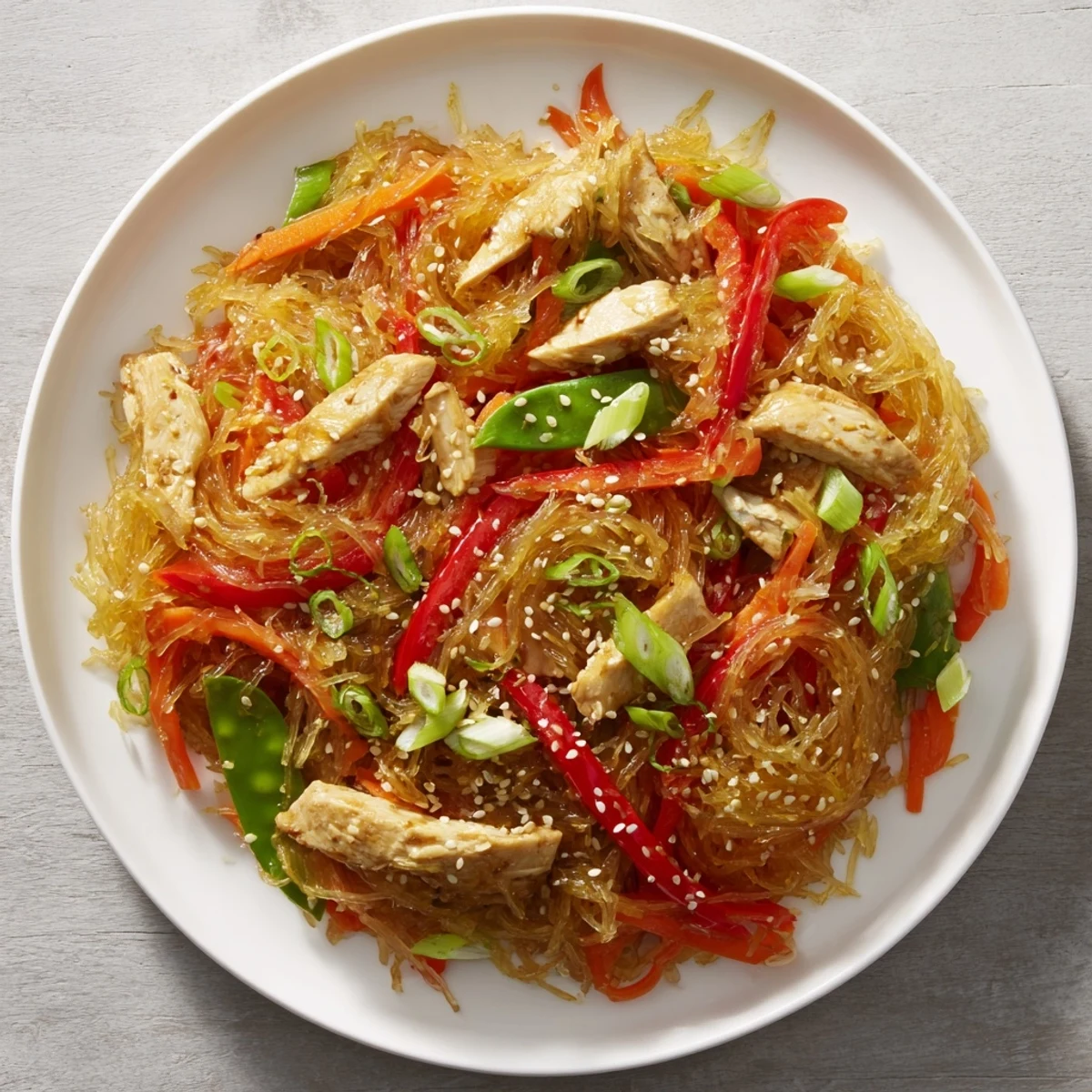
 There is something deeply satisfying about dragging a fork through a roasted squash half and watching it transform into a pile of golden noodles right before your eyes.
What to Know About Swapping Proteins
Chicken breasts work beautifully here, but I have made this with leftover rotisserie chicken, large shrimp, and even pressed tofu cubes, all with excellent results. If using shrimp, cook them just until pink and curled, then pull them from the pan before they toughen up. Tofu benefits from a quick press and a longer sear in the skillet to develop a crust that will hold up to the sauce.
Making It Your Own
The vegetable list is really just a starting point, and I have thrown in sliced mushrooms, shredded cabbage, broccoli florets, and even thinly sliced zucchini depending on what needed using up. The key is to keep the pieces relatively uniform in size so everything finishes cooking at roughly the same time. Heartier vegetables go in first, delicate ones like snap peas go in last.
Storage and Reheating
Leftovers keep well in an airtight container in the refrigerator for up to three days, though the squash strands do soften a bit by day two which I actually do not mind. Reheat gently in a skillet over medium heat rather than the microwave, which can make things soggy.
- A splash of extra tamari and a squeeze of lime juice revive leftover portions beautifully.
- Freezing is not recommended because the squash releases too much water upon thawing.
- Always taste and adjust the seasoning before serving, because flavors settle as the dish sits.
 Save to feedthepins
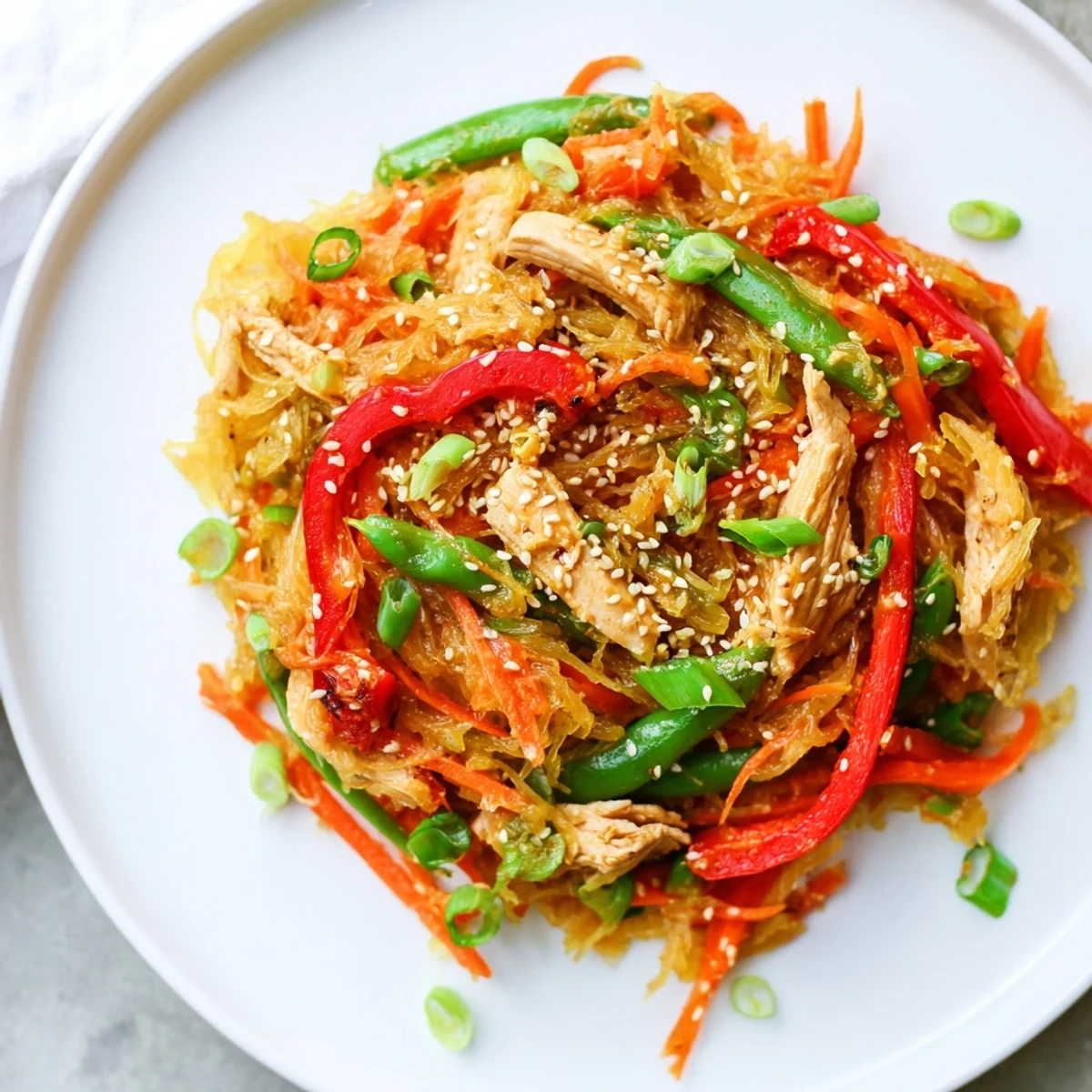
 This dish lives in that sweet spot between comfort food and something that makes you feel great after eating it. Share it with someone who claims they do not like squash and watch them change their mind.
Recipe Q&A
- → Can I make this dish ahead of time?
-
Yes, you can roast the spaghetti squash up to 2 days in advance and store the shredded strands in the refrigerator. The sauce can also be prepared ahead and kept refrigerated for up to a week. When ready to serve, simply reheat the squash and proceed with the stir-fry steps for a quick meal.
- → Is spaghetti squash a good pasta substitute?
-
Spaghetti squash creates noodle-like strands when cooked, making it an excellent low-carb, gluten-free alternative to traditional pasta. It has a mild, slightly sweet flavor that absorbs sauces well. While the texture differs from wheat noodles, it provides a satisfying crunch and works particularly well in Asian-inspired dishes like this chow mein.
- → What vegetables work best in this dish?
-
The recipe highlights crisp vegetables that hold their texture during stir-frying. Snap peas, bell peppers, and shredded carrots provide color and crunch. You can easily add shredded cabbage, sliced mushrooms, broccoli florets, or baby corn. Avoid watery vegetables like zucchini that might make the dish soggy.
- → Can I use other proteins besides chicken?
-
Absolutely. Thinly sliced pork, shrimp, or beef work wonderfully with these flavors. For a vegetarian version, use firm tofu cubes or edamame. Cook times may vary slightly depending on your protein choice—shrimp cooks in just 2-3 minutes, while beef may need an extra minute or two to reach desired doneness.
- → How do I know when the spaghetti squash is fully cooked?
-
The squash is ready when a fork easily pierces through to the skin and the flesh shreds into strands effortlessly. This typically takes 35-40 minutes at 400°F. Overcooking can make the strands mushy, so check at the 35-minute mark. Let it cool briefly before shredding to avoid burning your hands.
- → Is this dish spicy?
-
The base dish has mild heat from the garlic and ginger. The Sriracha is optional, so you can control the spice level. Even with the full teaspoon of Sriracha, the heat remains moderate. Add more Sriracha at the table if you prefer extra spice, or omit it entirely for a family-friendly version.