
 Save to feedthepins
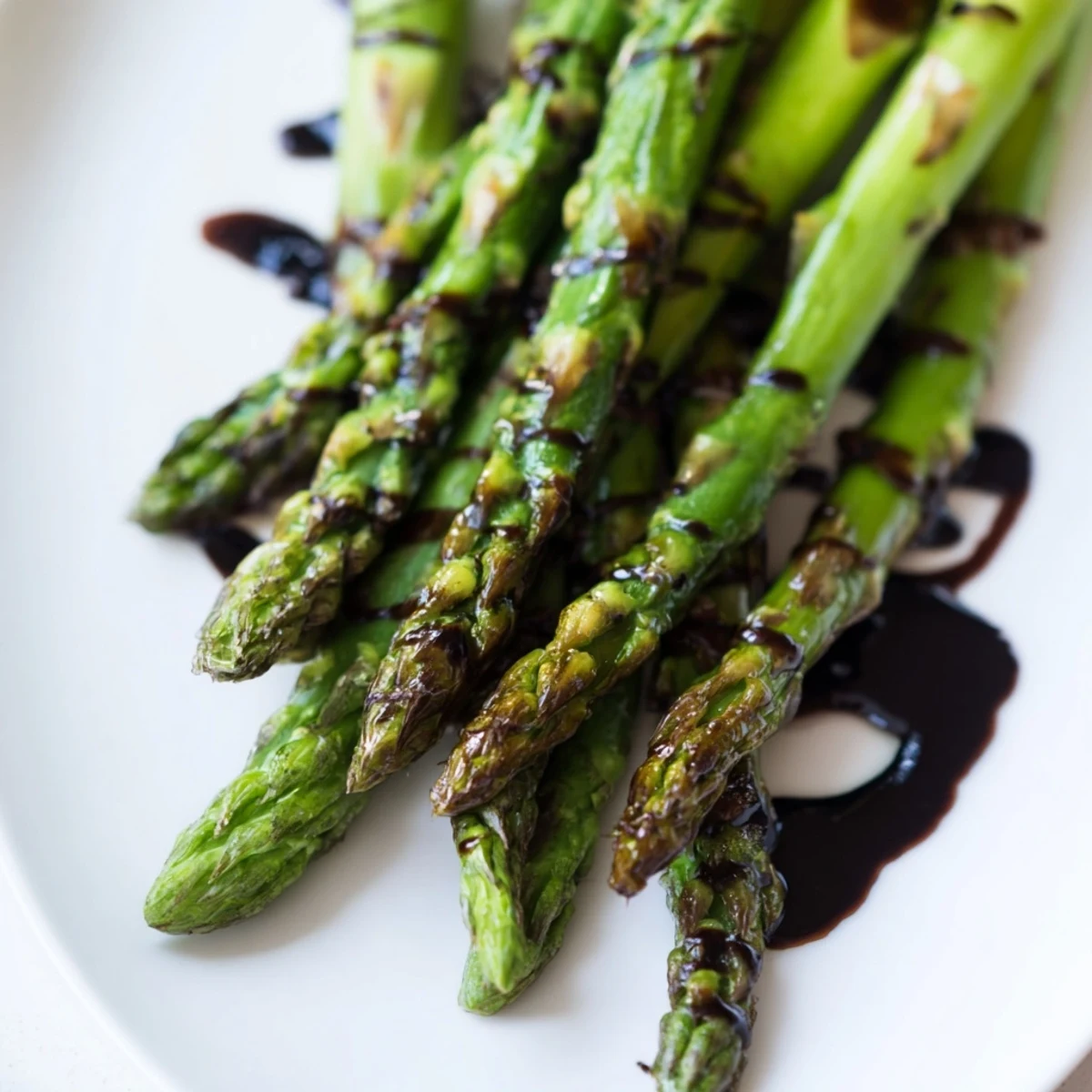
 This dish features fresh asparagus spears roasted until tender and slightly caramelized. The asparagus is tossed with olive oil, salt, and pepper before roasting at a high temperature for 12–15 minutes. A balsamic glaze is created by simmering balsamic vinegar with honey or maple syrup until syrupy and reduced by half. The glaze is drizzled over the warm asparagus just before serving, adding a balanced sweet and tangy flavor. For added texture and taste, pine nuts or Parmesan can be sprinkled on top. This simple preparation offers a vibrant, flavorful side perfect for various meals.
Spring arrived late that year, and I was desperate for something bright on the dinner plate. The asparagus at the farmers market looked impossibly green, almost fluorescent against the gray sky. I grabbed two bunches without thinking, then realized I had no plan beyond roasting them. The balsamic glaze was actually a happy accident—I'd been reducing vinegar for something else and decided to drizzle it over the spears just to see what would happen.
I served this at my first dinner party in a new apartment, nervous about everything but mostly about whether I could pull off vegetables that people would actually want to eat. My friend Sarah took one bite and literally said 'oh my god' out loud, which I've learned is the highest compliment possible regarding asparagus. Now it's the one side dish I can bring to any gathering and know the platter will come back empty.
Ingredients
- Fresh asparagus: I've learned that the thicker spears actually roast better than pencil thin ones—they hold up to the high heat without getting stringy
- Olive oil: Don't be shy here, the oil helps those beautiful charred spots form and carries the seasoning right into the spear
- Balsamic vinegar: The real stuff makes a difference, but even a decent supermarket brand will reduce down into something glossy and wonderful
- Honey or maple syrup: Just enough to take the sharp edge off the vinegar and help it thicken into that syrupy consistency we're after
- Kosher salt and black pepper: Asparagus needs a good amount of salt to really sing, and fresh pepper adds this little spicy kick at the end
Instructions
- Get your oven hot and ready:
- Preheat that oven to 425°F—high heat is what creates those gorgeous caramelized edges that make roasted vegetables irresistible
- Prep your asparagus:
- Trim the woody ends by snapping them where they naturally break, then arrange the spears in a single layer on your parchment lined baking sheet
- Season generously:
- Drizzle with olive oil and sprinkle with salt and pepper, then use your hands to toss everything until each spear is lightly coated
- Roast to perfection:
- Slide into the oven for 12 to 15 minutes, giving the pan a shake halfway through so they brown evenly—you want them tender with slightly crispy tips
- Make the magic glaze:
- While the asparagus roasts, simmer balsamic vinegar and honey in a small saucepan until it reduces by half and coats a spoon, about 5 to 7 minutes
- Bring it all together:
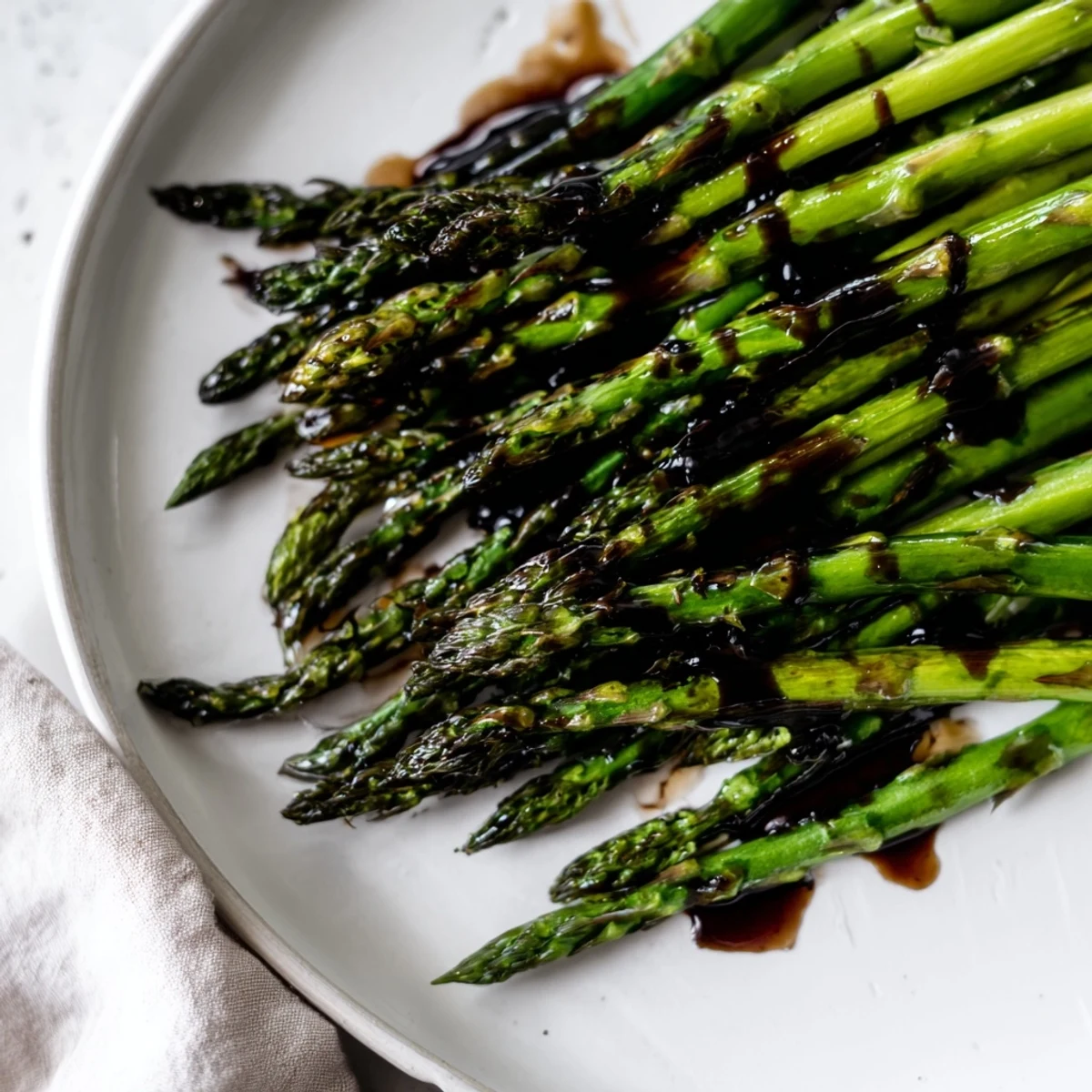
- Transfer the roasted asparagus to your serving platter and drizzle that beautiful glaze all over the top while everything is still warm
 Save to feedthepins
 This recipe transformed how I think about vegetables. Suddenly they weren't just the healthy thing I had to include with dinner—they were the part I looked forward to most. There's something deeply satisfying about taking such humble ingredients and turning them into something that feels fancy and intentional.
Choosing the Best Asparagus
I used to grab whatever bunch looked greenest, but I've learned to look for tightly closed tips and smooth stems. The spears should feel firm and snap cleanly when you bend them—floppy asparagus never roasts well, no matter how long you cook it. Thickness is personal preference, but I've found that medium spears offer the best texture, tender without being mushy.
Making It Your Own
Sometimes I'll add crushed garlic to the asparagus before roasting, or sprinkle everything with za'atar after the glaze for a Middle Eastern twist. Lemon zest works beautifully too, added right at the end for this bright pop of acid. The basic formula stays the same, but these little variations keep the recipe feeling fresh even when I'm making it for the third time in a week.
Perfect Pairings
This asparagus has become my go to alongside simple grilled meats or roasted chicken—the acidity cuts through rich flavors beautifully. It's also stunning served over creamy polenta or alongside a grain bowl for a vegetarian main. The dish somehow manages to feel equally at home at a weeknight dinner and a holiday table.
- Try adding toasted pine nuts or shaved Parmesan after glazing for extra texture and richness
- The glaze keeps for a week in the fridge, so double it and use the rest on strawberries or ice cream
- Leftovers (if you somehow have them) reheat surprisingly well in a 350°F oven for just 5 minutes
 Save to feedthepins
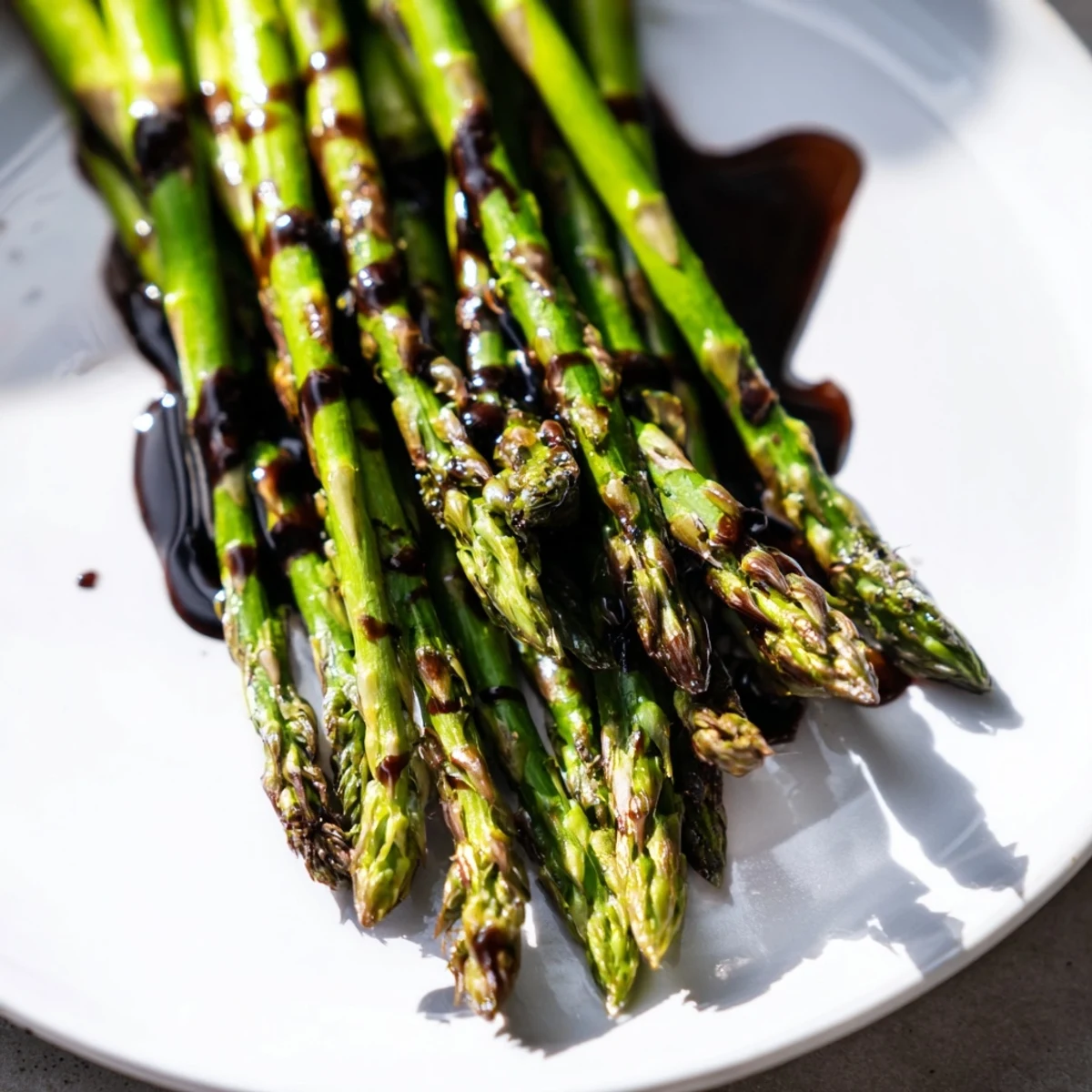
 There's something almost meditative about reducing balsamic vinegar, watching it transform from thin and sharp to dark and syrupy. This dish reminds me that sometimes the simplest preparations, executed with care, are the ones that bring the most joy to the table.
Recipe Q&A
- → How do I know when asparagus is perfectly roasted?
-
Asparagus is done when it becomes tender but still slightly firm, with some caramelized spots. Roasting for 12–15 minutes at 425°F usually achieves this texture.
- → Can I use other sweeteners in the balsamic glaze?
-
Yes, honey or maple syrup work well. Maple syrup is a great vegan option, while both add balanced sweetness to the glaze.
- → What can I use instead of parmesan for a vegan version?
-
To keep it vegan, omit parmesan and consider topping with toasted pine nuts or nutritional yeast for extra flavor and texture.
- → How should I store leftover balsamic glaze?
-
Keep the glaze in a sealed container in the refrigerator for up to one week. Reheat gently before using.
- → Does the thickness of asparagus affect roasting time?
-
Yes, thicker spears may need a few extra minutes, while thinner ones roast faster. Adjust time accordingly to avoid overcooking.