
 Save to feedthepins
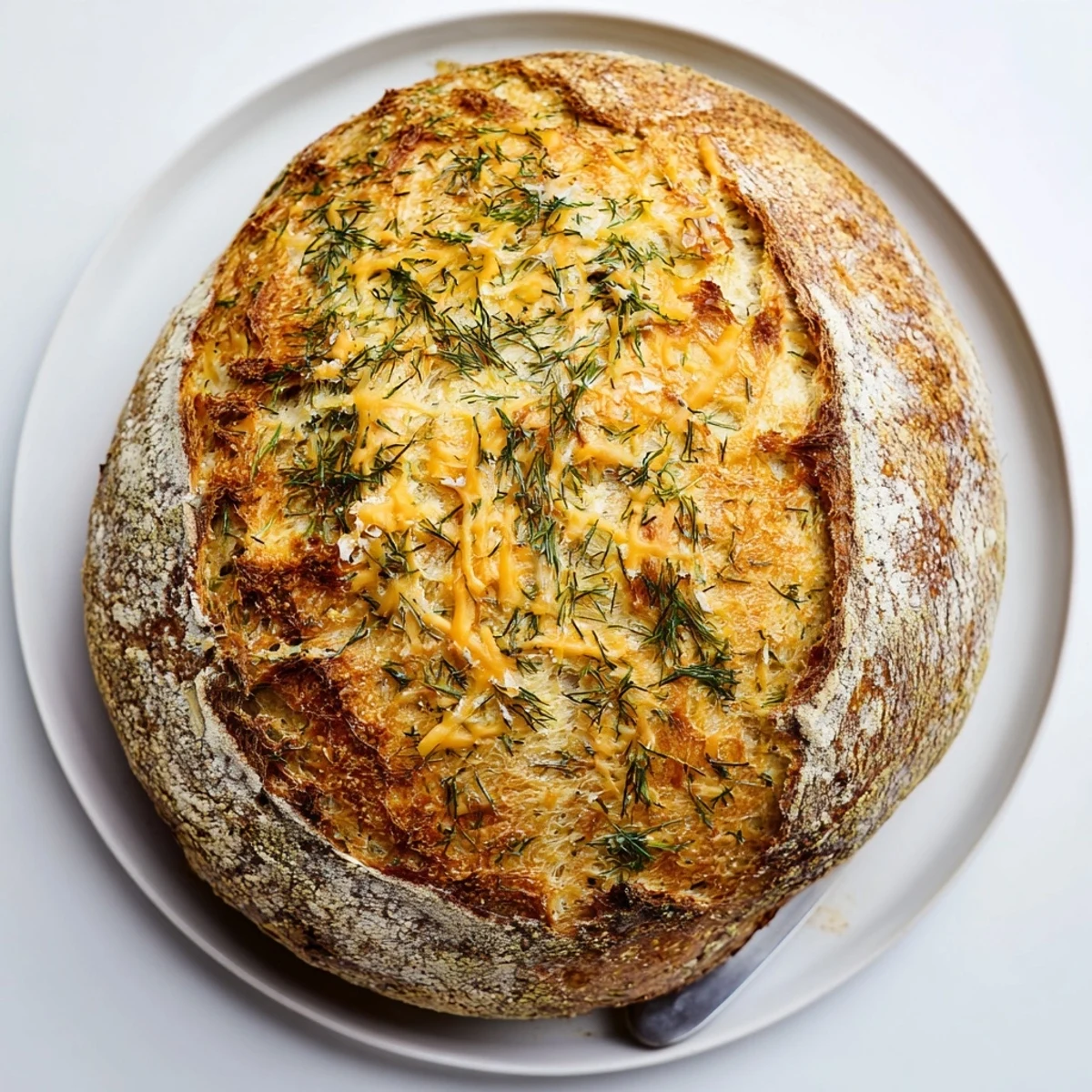
 This effortless bread combines the aromatic brightness of fresh dill with rich, creamy Gouda for a deeply satisfying European-style loaf. The no-knead approach develops exceptional flavor through an extended fermentation period, resulting in a professional bakery-quality crust and tender interior.
Simply mix flour, yeast, salt, cheese, and herbs, then let time work its magic. After 12–18 hours of rising, bake in a preheated Dutch oven for that signature crisp exterior. The finished loaf delivers savory notes in every bite, perfect for elevating your next meal.
The smell of dill and melting Gouda drifting through my apartment at midnight was unlike anything I'd experienced before. I'd mixed this dough before bed, forgetting how aromatics bloom during a long ferment. My roommate stumbled into the kitchen at 2 AM, convinced I'd made some elaborate late night meal, only to find a bubbling bowl of bread dough doing all the work.
Last winter, I served this bread alongside a simple tomato soup to friends who were going through a rough time. One of them actually teared up at first bite, later admitting that the combination of warm, cheesy bread and herbed dill reminded her of Sunday dinners at her grandmother house. Sometimes food does emotional heavy lifting without us even planning it that way.
Ingredients
- Bread flour: Higher protein content than all purpose flour gives this loaf structure while keeping the crumb tender and light
- Salt: Don't skip or reduce this, it balances the rich cheese and bright dill perfectly
- Instant yeast: No proofing needed, it dissolves directly into the flour mixture and works reliably overnight
- Gouda cheese: Coarsely grate it yourself for better melting, and the creamy, slightly sweet flavor pairs beautifully with dill
- Fresh dill: Finely chop it so it distributes evenly throughout the dough, though dried works in a pinch at one third the amount
- Lukewarm water: Use water that feels warm to your wrist, about 100°F, to activate the yeast without killing it
Instructions
- Mix the dough:
- Combine flour, salt, and yeast in a large bowl, then stir in the grated Gouda, chopped dill, and pepper until evenly distributed.
- Add water and combine:
- Pour in the lukewarm water and mix with a spatula until you have a shaggy, sticky dough with no dry flour remaining.
- Let it rise overnight:
- Cover the bowl tightly with plastic wrap and let it sit at room temperature for 12 to 18 hours until doubled and bubbly on top.
- Shape the loaf:
- Turn the dough onto a heavily floured surface and gently fold the edges toward the center to form a round, being careful not to deflate it too much.
- Second rise:
- Place the dough seam side down on parchment paper, cover loosely with a towel, and let it rest for 30 to 60 minutes while you preheat.
- Preheat your Dutch oven:
- Put your Dutch oven with its lid in a cold oven, then set the temperature to 450°F and let it heat for at least 30 minutes.
- Bake covered:
- Carefully transfer the dough on its parchment into the hot Dutch oven, score the top with a knife, cover, and bake for 30 minutes.
- Finish baking:
- Remove the lid and bake another 15 to 20 minutes until deep golden brown and the crust sounds hollow when tapped.
- Cool completely:
- Let the bread rest on a wire rack for at least an hour before slicing to set the crumb and prevent gummy texture.
 Save to feedthepins
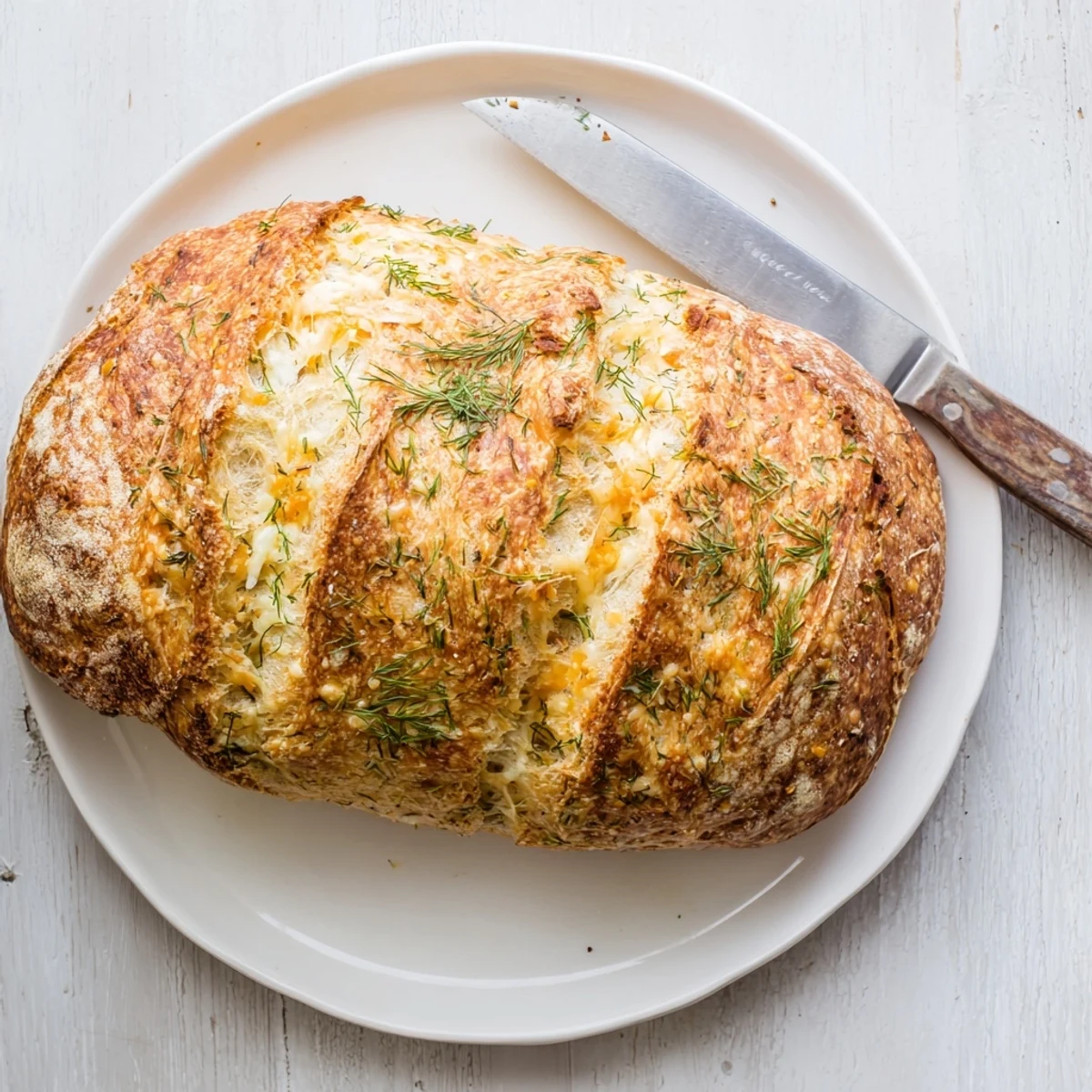
 This bread became my go to contribution to dinner parties because it looks impressive but requires almost no active work. I've learned that people are endlessly fascinated by the idea of bread you mix the night before, and the aroma that fills the kitchen during baking makes everyone gather around the oven like it's a campfire.
Choosing Your Cheese
Gouda melts beautifully and has a mild sweetness that complements the herbaceous dill without overpowering it. Aged Gouda will give you more pronounced flavor and pockets of melted cheese throughout the crumb, while younger Gouda integrates more seamlessly into the dough structure.
Fresh vs Dried Herbs
Fresh dill provides bright, grassy notes that mellow slightly during baking but still shine through in the finished loaf. If you only have dried dill, reduce the amount to one tablespoon since dried herbs are more concentrated, and consider adding them to the flour mixture rather than directly to the water.
Serving Suggestions
This bread makes exceptional sandwiches, especially with roasted vegetables, turkey, or leftover holiday ham. The dill and Gouda pairing naturally complements creamy soups, potato dishes, or simply toasted with salted butter for breakfast.
- Try it with soft scrambled eggs and fresh chives
- Use day old slices to make extraordinary grilled cheese
- Freeze extra loaves wrapped tightly in plastic for up to three months
 Save to feedthepins
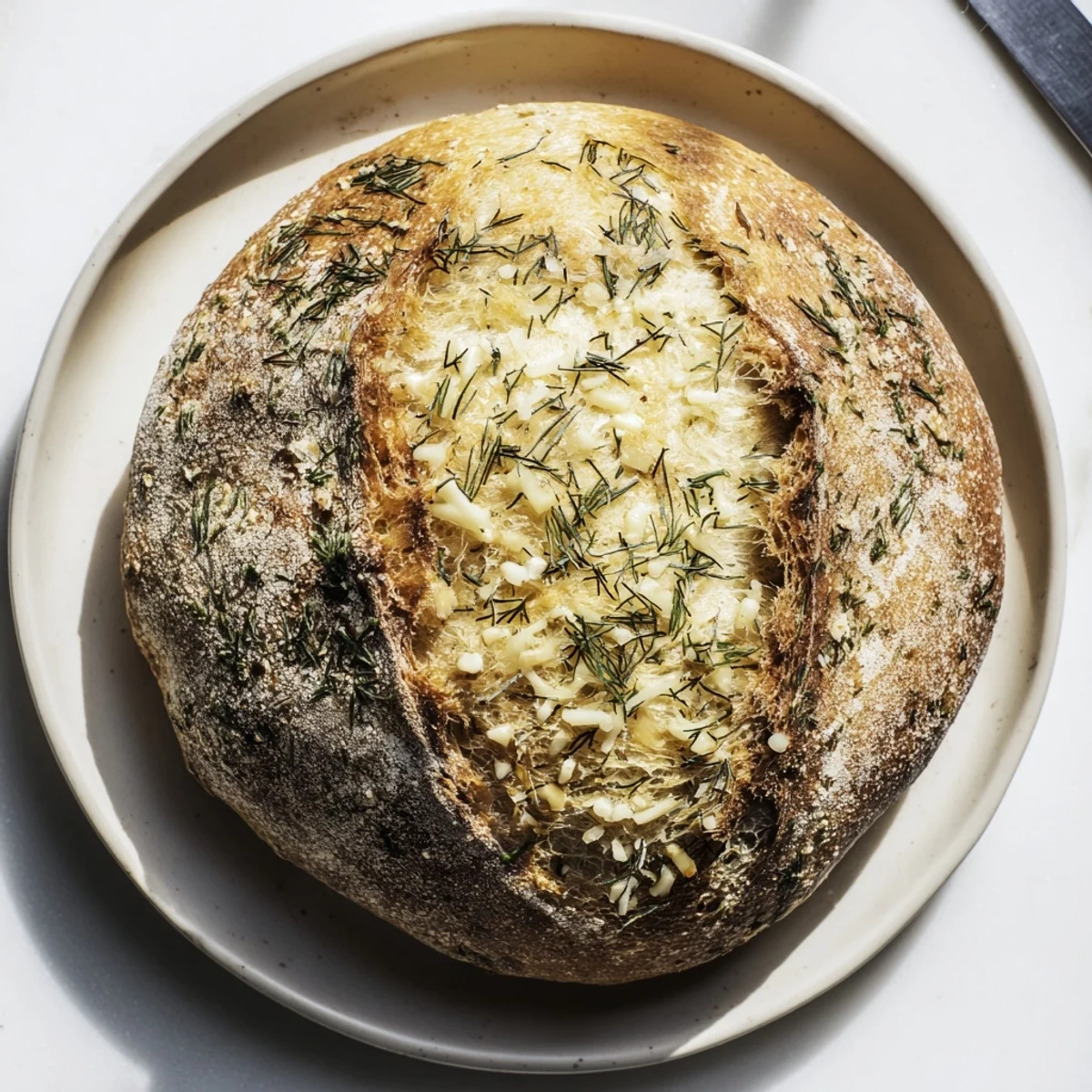
 Theres something deeply satisfying about pulling a gorgeous, golden loaf from the oven that you barely had to work for. This bread rewards patience more than skill, which might be exactly why it feels so special to share.
Recipe Q&A
- → What makes this bread artisan style?
-
The extended fermentation period of 12–18 hours allows natural enzymes to develop complex flavors, while baking in a preheated Dutch oven creates steam for that signature crisp, golden crust and airy crumb structure typical of artisanal European loaves.
- → Can I use dried dill instead of fresh?
-
Yes, substitute 1 tablespoon of dried dill for the 3 tablespoons of fresh chopped dill. The flavor will be slightly more concentrated, so you might reduce to 2 teaspoons if preferred. Rehydrate the dried herbs in the warm liquid for enhanced flavor distribution.
- → What cheeses work best as Gouda substitutes?
-
Aged cheddar offers a sharper profile, Emmental provides nutty sweetness with excellent melting properties, or Gruyère adds sophisticated depth. Select cheeses with similar moisture content and aging levels to maintain proper dough consistency during baking.
- → Why is a Dutch oven necessary?
-
The Dutch oven creates a sealed steam-filled environment that mimics professional deck ovens. This trapped moisture allows the bread to expand fully before the crust sets, producing that coveted crackly exterior and ensuring proper oven spring for maximum volume.
- → How should I store the finished loaf?
-
Wrap completely cooled bread in a clean kitchen towel or paper bag, storing at room temperature for 2–3 days. Avoid plastic as it traps moisture and softens the crust. For longer storage, slice and freeze in an airtight container, reheating pieces in a 350°F oven for 5–10 minutes.
- → Can I reduce the rising time?
-
The extended fermentation is essential for developing flavor and texture naturally. However, you can place the bowl in a slightly warm area (around 75°F) to accelerate rising to approximately 8–10 hours, though the complexity will be somewhat reduced compared to the full fermentation.