
 Save to feedthepins
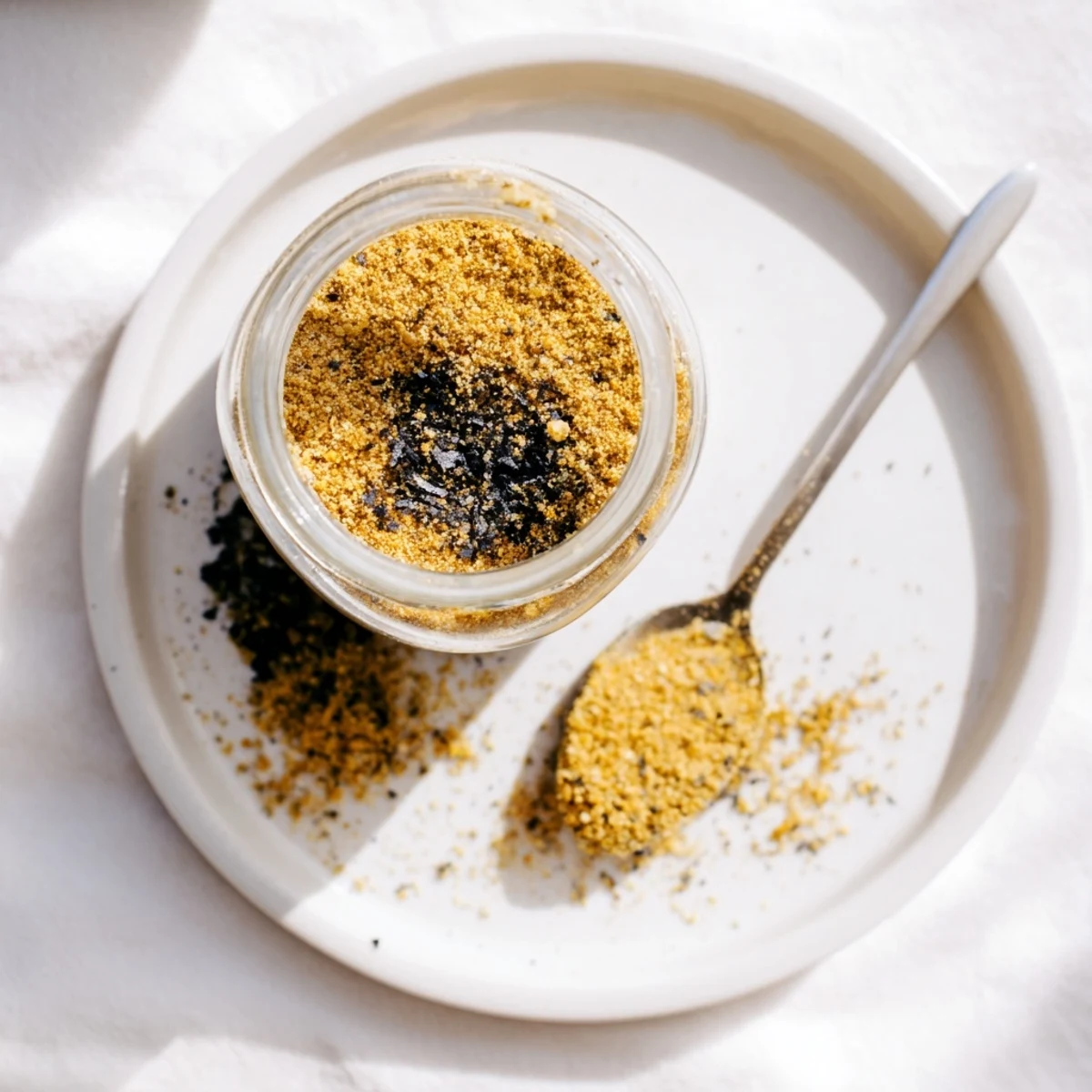
 This versatile seasoning blend captures the essence of traditional ramen broth using carefully selected gluten-free ingredients. The combination of garlic and onion powders provides aromatic depth, while dried shiitake mushroom powder and nutritional yeast create rich umami notes that typically come from fermented ingredients. Ground ginger adds gentle warmth, and the dual pepper blend delivers subtle complexity.
Mix this blend into hot water for instant broth, or use it to season stir-fries, grain bowls, and roasted vegetables. The seasoning keeps well in an airtight container, making it convenient to have on hand for quick meals.
The sound of rain hammering against my kitchen window last March sent me into a desperate ramen craving that my gluten free sister could not join. I stood in the spice aisle for twenty minutes reading labels and finding hidden wheat in nearly every commercial ramen packet. That evening I dumped every umami packed powder I owned onto the counter and started blending. By midnight I had a jar of something that smelled exactly like the ramen shops we used to visit together.
When my sister slurped her first spoonful of broth made from this blend she closed her eyes and whispered that it tasted like Tokyo. We sat on the kitchen floor with steam rising from our mugs and I knew this little jar was going to become a permanent fixture in both our kitchens.
Ingredients
- Gluten free soy sauce powder: This is the backbone of the entire blend and the single most important ingredient to get right because it provides that deep savory ramen character without any wheat.
- Garlic powder: Use a fresh bottle if yours has been sitting around for over a year because faded garlic powder will make the whole blend taste flat.
- Onion powder: Rounds out the garlic and adds a sweetness that balances the saltier elements beautifully.
- Dried shiitake mushroom powder: You can buy it pre ground or blitz dried shiitakes in a coffee grinder until they are silky fine for an earthy depth that makes people ask what your secret is.
- Nutritional yeast: Adds a subtle cheesiness and extra umami that rounds out the broth in a way nothing else can.
- Ground ginger: Brings warmth and a gentle kick that lifts the entire flavor profile above a simple salt blend.
- Sea salt: Adjust to your preference but do not skip it because salt is what makes all the other flavors pop.
- Sugar: Just a teaspoon softens the edges and mimics the slight sweetness of traditional tonkotsu or shoyu broth.
- Ground white pepper: Gives that familiar restaurant ramen heat without muddying the color of your broth.
- Ground black pepper: Works alongside the white pepper for a more complex gentle heat.
- Ground turmeric: Purely optional but it gives the broth a golden hue that makes it look richer than it is.
- Nori crumbled: The optional step that takes this from good to extraordinary by adding a whisper of ocean brine.
Instructions
- Gather and measure:
- Pull out a clean small bowl and measure every spice carefully because precision matters more here than in most seasoning blends since the ratios create that specific ramen illusion.
- Mix thoroughly:
- Stir everything together with a small whisk or fork until you see no clumps and the color is uniform throughout which usually takes about a minute of focused mixing.
- Store it right:
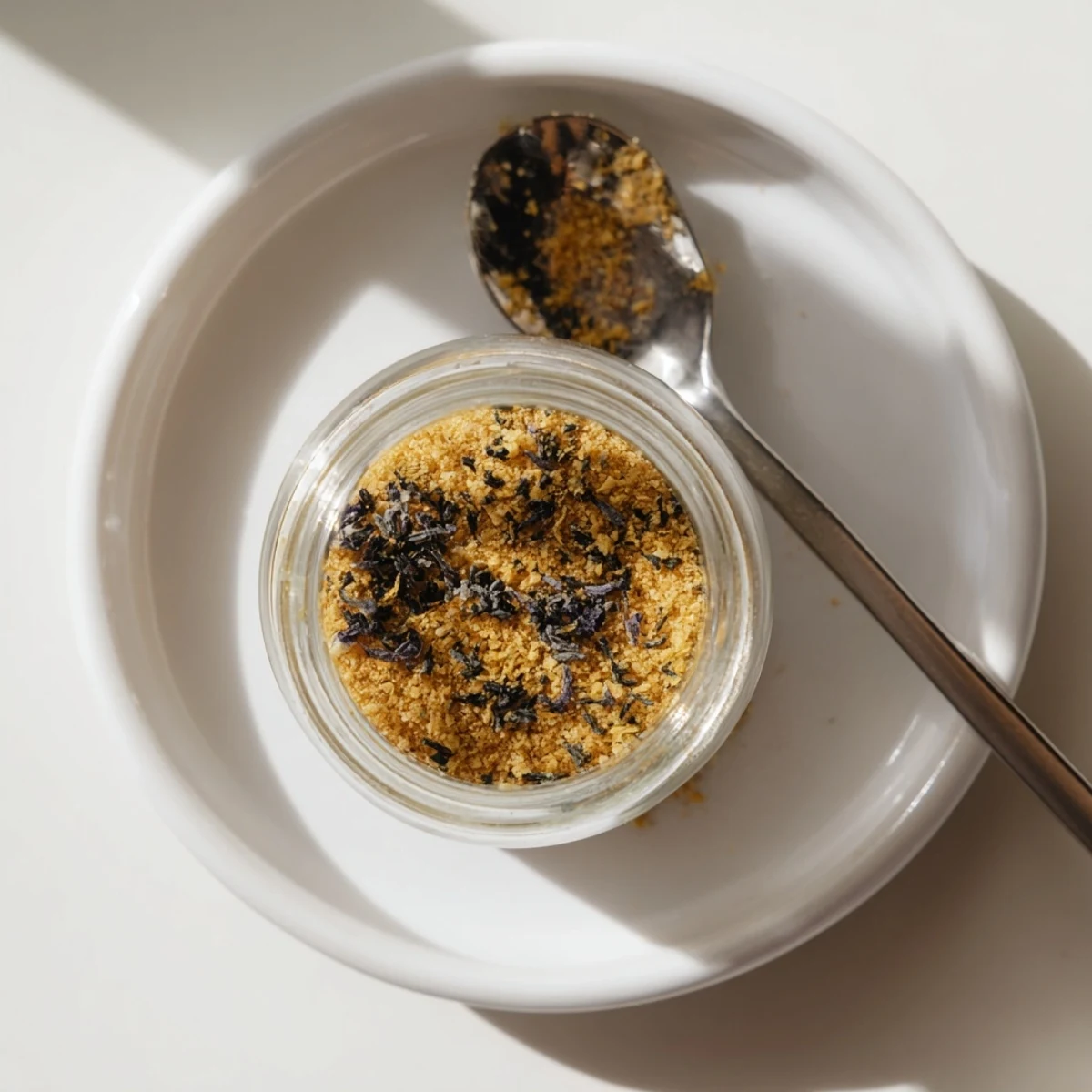
- Transfer the blend into an airtight jar and keep it somewhere cool and dark away from sunlight and humidity which would quickly steal its potency.
- Make your broth:
- Stir one to one and a half teaspoons into a cup of hot water and taste it before adding more because you can always add but you cannot take away.
 Save to feedthepins
 There is something quietly powerful about holding a small jar of seasoning you mixed yourself knowing exactly what went into it and what did not. It transforms a simple weeknight bowl of noodles into something intentional and cared for.
How I Store It
I keep my jar tucked inside a dark cabinet right next to the stove where I can grab it without thinking. A small piece of masking tape on the lid with the date helps me remember to make a fresh batch every two months because the ginger and mushroom powders lose their punch over time.
Beyond Ramen Broth
One evening I sprinkled this blend over roasted sweet potatoes on a whim and nearly fell off my chair at how good it was. Since then I have used it on popcorn, roasted chickpeas, steamed edamame, and even scrambled tofu on lazy Sunday mornings.
What Friends Always Ask
People who taste this blend always want to know how to tweak it for their own preferences so here are the adjustments I have tested and loved over dozens of batches.
- Add a pinch of red pepper flakes if you want a spicy miso style kick that warms your throat.
- Stir in a few drops of toasted sesame oil when making broth for a richer and more rounded finish.
- Double the mushroom powder if you are serving someone who loves deep earthy flavors because you really cannot overdo it.
 Save to feedthepins
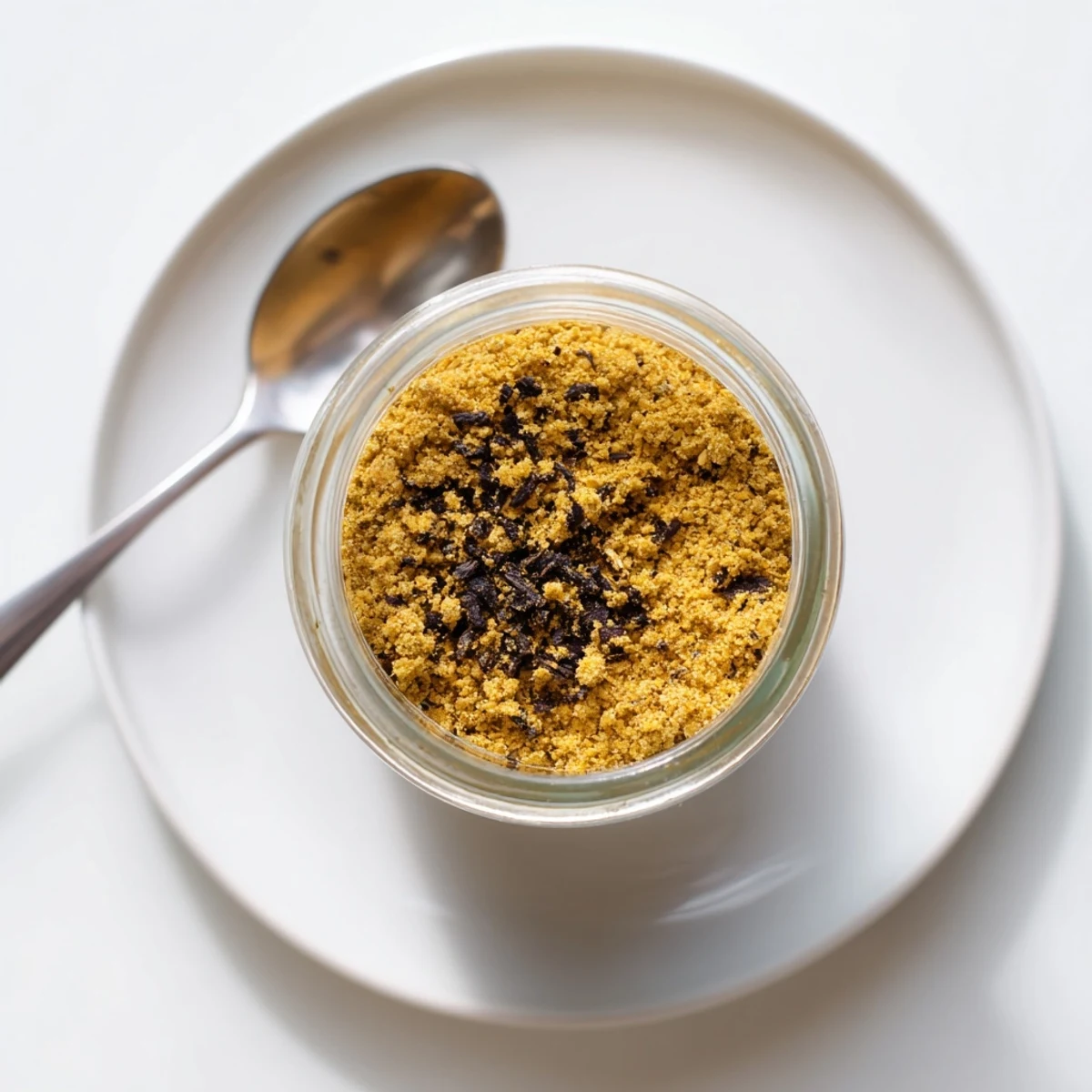
 Keep a jar of this on your shelf and you are never more than five minutes away from comfort in a bowl. Your future hungry self will thank you every single time it rains.
Recipe Q&A
- → How do I use this seasoning blend?
-
Stir 1 to 1½ teaspoons into 1 cup hot water for instant broth. Alternatively, sprinkle directly into stir-fries, rice bowls, or roasted vegetables for added depth and umami flavor.
- → How long does this seasoning stay fresh?
-
Stored in an airtight jar in a cool, dry place, this blend remains fresh for 3-6 months. Keep away from direct sunlight and moisture to maintain optimal flavor.
- → Can I make this soy-free?
-
Yes, substitute the gluten-free soy sauce powder with coconut aminos powder. This adjustment maintains the savory profile while accommodating soy sensitivities.
- → What gives this blend its umami flavor?
-
The combination of dried shiitake mushroom powder, nutritional yeast, and nori creates layers of umami. These ingredients provide the deep, savory notes typically found in traditional ramen broths.
- → Is this seasoning suitable for other dishes besides ramen?
-
Absolutely. This versatile blend enhances stir-fries, roasted vegetables, grain bowls, and even popcorn. The balanced flavor profile works well in many Asian-inspired dishes.