
 Save to feedthepins
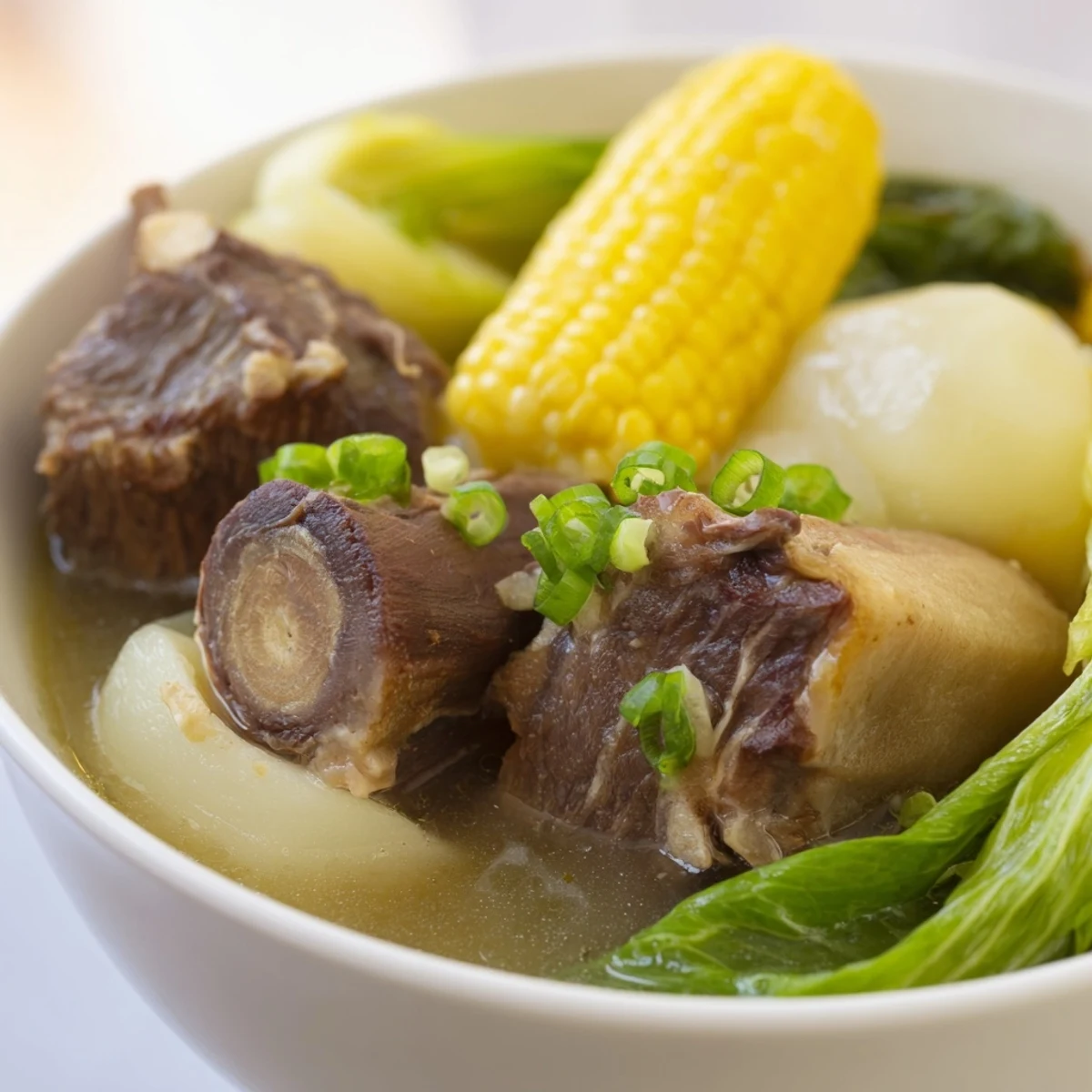
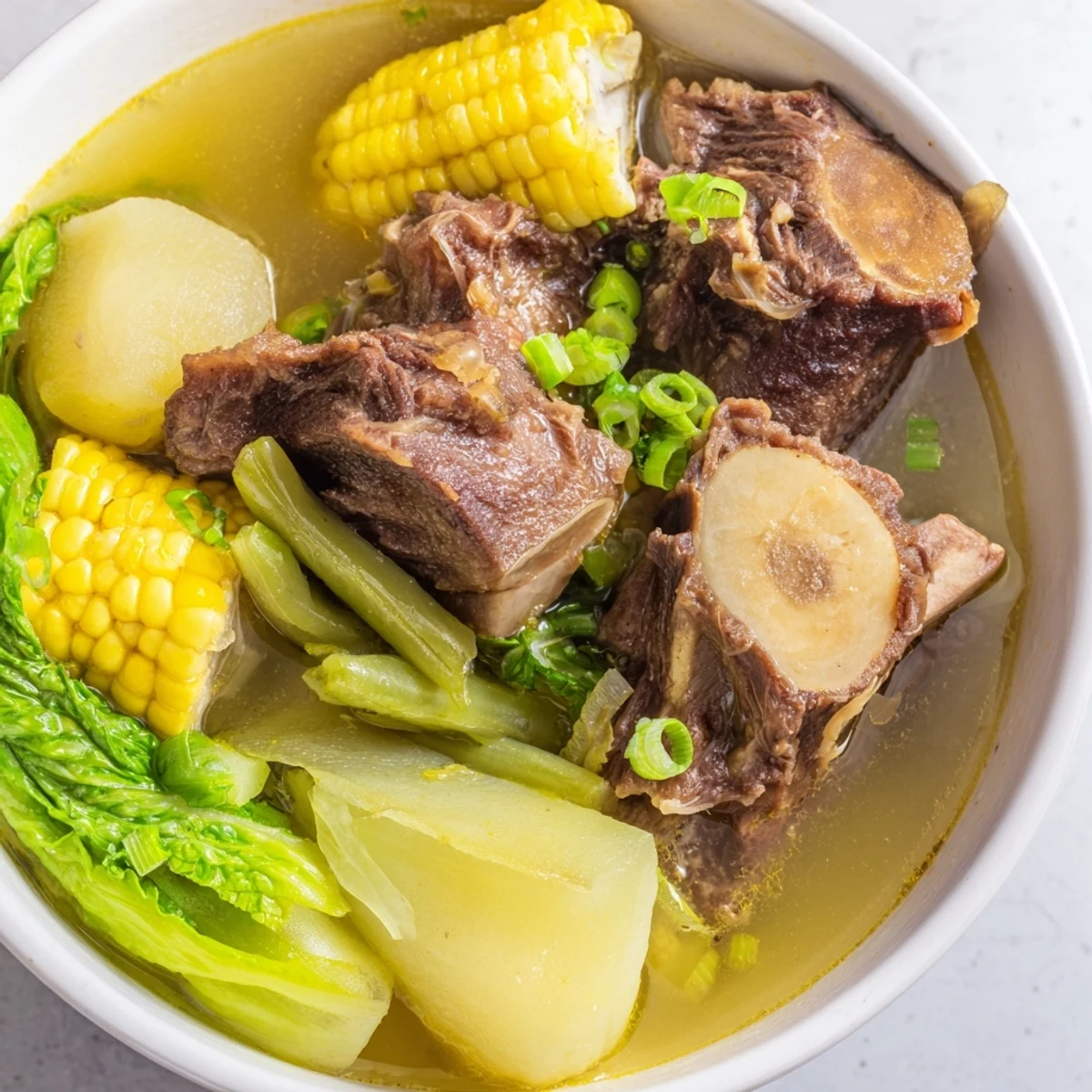
 This hearty Filipino soup combines fork-tender beef shank and gelatinous bone marrow with sweet corn, baby potatoes, carrots, green beans, and napa cabbage. The clear broth gets its depth from hours of simmering with aromatics like onions and whole peppercorns, finished with fish sauce for that authentic umami punch. Perfect for cool weather dining, this dish brings family together around the steaming pot. Squeeze fresh calamansi over each bowl for brightness, and don't forget to scoop out that precious marrow—it's the best part!
The rain was coming down in sheets when I first smelled bulalo simmering at my aunt's house in Manila. Something about that rich, bone-deep warmth made the storm outside feel cozy instead of dreary. I've been chasing that memory ever since, making pot after pot until the broth tasted just right.
Last winter, my neighbor smelled the broth bubbling away through our shared wall and knocked on my door with a bowl of rice in hand. We ended up eating together at my tiny kitchen table, blowing on steaming spoonfuls and talking until the pot was empty. Some meals just invite people to stay awhile.
Ingredients
- Beef shank: Bone-in is non-negotiable here because the marrow creates that signature silky broth
- Beef marrow bones: Optional but worth every extra penny for the depth they add
- Corn: Cut into wheels so the sweet starch releases into the soup as it cooks
- Onion: Quartered large so it infuses flavor without falling apart
- Carrot: Cut into hearty chunks that hold their shape through long simmering
- Baby potatoes: Halved so they cook evenly and absorb all that beefy goodness
- Napa cabbage: Added last for just a minute so it stays tender-crisp
- Green beans: Trimmed neatly because nobody likes finding stray strings in their soup
- Saba bananas: The secret ingredient that adds a subtle sweetness balancing the savory broth
- Water: Start with cold water for the clearest results
- Whole black peppercorns: Crush them slightly between your fingers before adding
- Fish sauce: Use this instead of salt for that authentic Filipino depth
- Scallions: Sprinkle generously on top for a fresh bite against the rich broth
- Calamansi or lemon: Essential squeeze brightens each bowl right before eating
Instructions
- Build your broth base:
- Place the beef shank and marrow bones in your largest pot, cover completely with cold water, and bring everything to a rolling boil over high heat.
- Purify the soup:
- Watch carefully as gray foam rises to the surface, then skim it off diligently with a ladle until the liquid runs clear.
- Infuse the aromatics:
- Drop in your quartered onion, crushed peppercorns, and fish sauce, then lower the heat to a gentle simmer and cover for the long wait.
- Test for tenderness:
- After two hours, pierce the beef with a fork, it should slide in with zero resistance like soft butter.
- Add the hearty vegetables:
- Toss in potatoes and carrot chunks first since they need the most time to soften through.
- Layer in sweetness:
- Add corn wheels and plantain slices along with green beans, letting everything bubble together for another ten minutes.
- Finish with the delicate stuff:
- Slide in napa cabbage pieces last, cooking just until they wilt into silky ribbons.
- Season to perfection:
- Taste your broth and adjust with more fish sauce or salt until it sings.
- Serve it right:
- Ladle hot into bowls, scatter with scallions, and pass calamansi wedges so everyone can squeeze their own bright finish.
 Save to feedthepins
 My father claimed the best part of bulalo was always the marrow spoon at the end, and I've come to agree. Watching someone discover that rich, buttery bite for the first time never gets old.
The Clear Broth Secret
I spent years making cloudy bulalo until an elderly cook taught me the parboiling trick. Now I start with cold water, boil the bones just long enough to release impurities, drain everything completely, then start fresh with clean water. The difference is startling.
Timing Your Vegetables
Nothing ruins bulalo faster than mushy vegetables. I've learned to add them in reverse order of cooking time, testing each with a skewer until they're just tender. The cabbage should hit the broth last, barely sixty seconds before serving.
Serving It Right
Steaming jasmine rice is non-negotiable in my house, each grain soaking up that precious broth. A small dish of fish sauce on the table lets everyone adjust their bowl to taste.
- Set out marrow spoons if you have them, people will fight over the bones
- Keep calamansi wedges at room temperature so they release more juice
- Have extra fish sauce handy for the salt lovers at your table
 Save to feedthepins
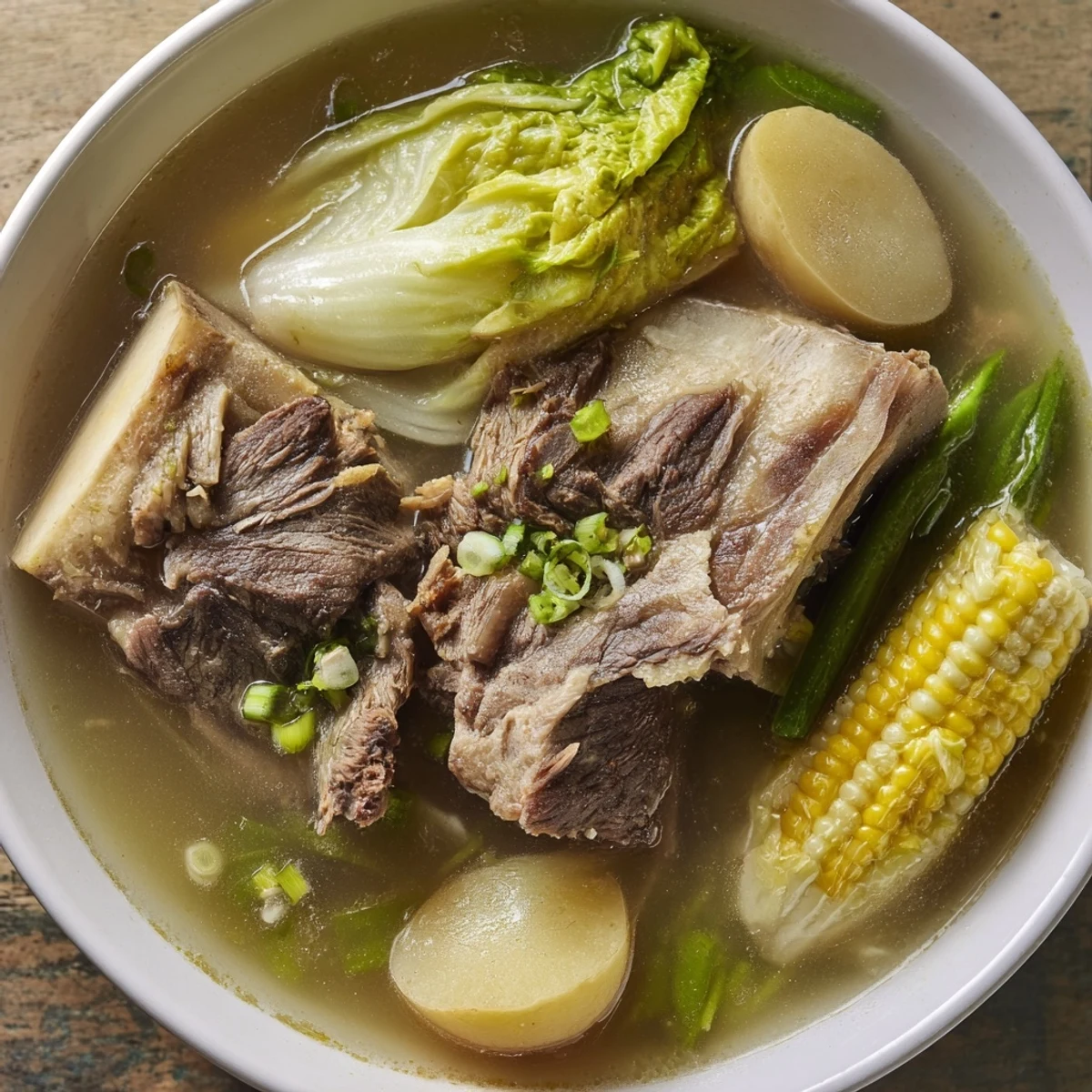
 There's something about gathering around a steaming pot of bulalo that makes even ordinary days feel like celebrations.
Recipe Q&A
- → What makes bulalo different from other beef soups?
-
Bulalo specifically uses beef shank with bone-in, allowing the marrow to dissolve into the broth creating a rich, gelatinous texture. The addition of sweet corn and plantains also distinguishes it from other beef noodle soups.
- → How long does it take to cook bulalo?
-
The beef shank needs to simmer for about 2 hours until fork-tender. The vegetables are added in stages during the last 20-25 minutes so they cook through without becoming mushy.
- → Can I make bulalo ahead of time?
-
Absolutely—the flavors actually improve overnight. Just cool and refrigerate separately from the vegetables, then reheat and add fresh vegetables when ready to serve. The broth may even congeal slightly from the marrow, which is perfectly normal.
- → What can I substitute for fish sauce?
-
You can use soy sauce or salt as alternatives, though fish sauce (patis) provides that distinct Filipino depth. If avoiding fish entirely, increase salt and add a splash of soy sauce for umami.
- → Is saba banana necessary?
-
While traditional, the plantain adds subtle sweetness that balances the savory broth. You can omit it or substitute with regular cooking bananas, though the flavor profile will change slightly.
- → How do I get a clearer broth?
-
Parboil the beef shank for 5 minutes, discard that water, then start fresh with clean water. Skim any scum that rises to the surface during cooking, and avoid boiling too vigorously once simmering begins.