
 Save to feedthepins
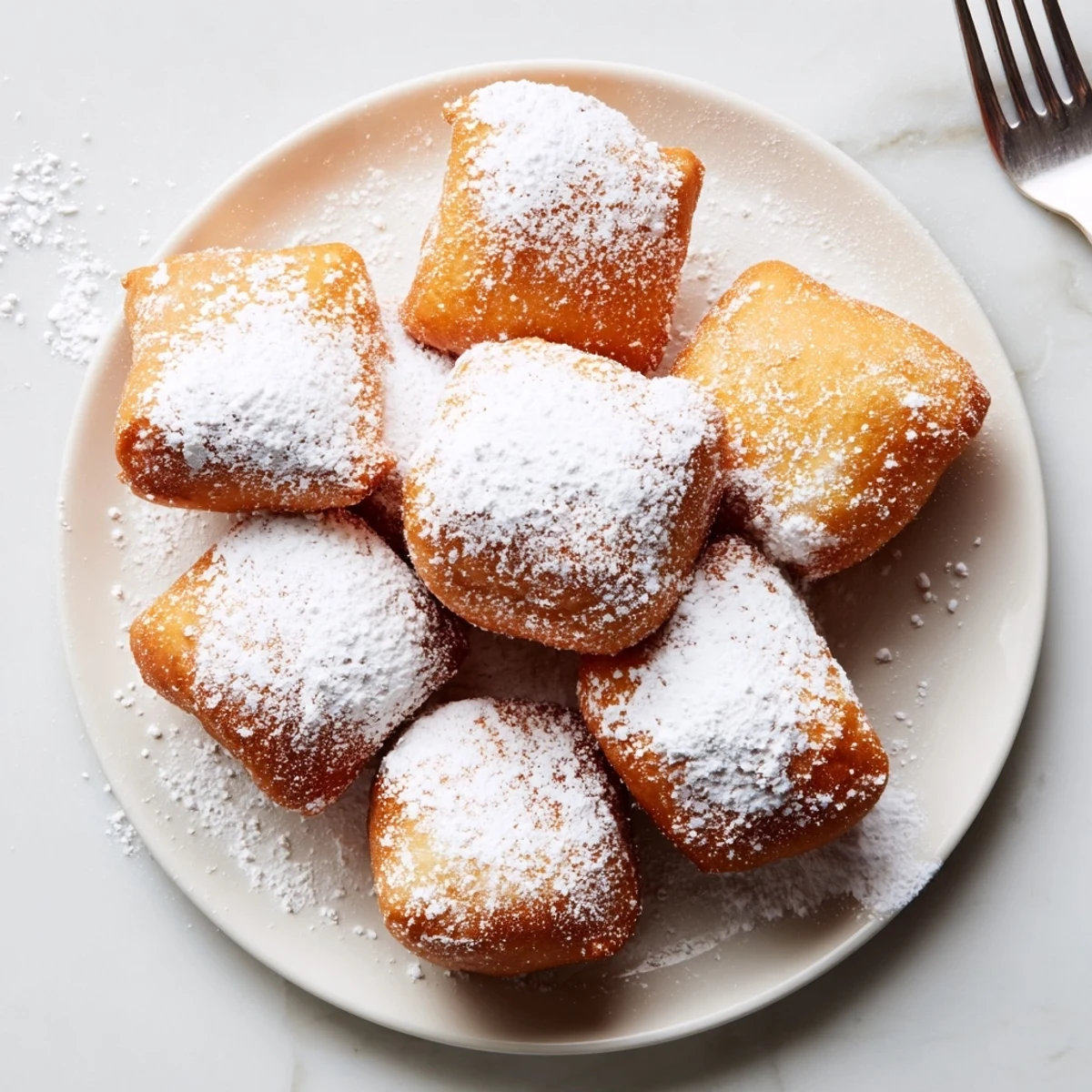
 Create authentic French beignets with a delicate vanilla flavor and cloud-like texture. These square-shaped fried dough pillows achieve the perfect balance of crisp exterior and tender, airy interior. The dough requires simple pantry staples and rises to double its size, ensuring that classic puff when fried. After achieving a golden-brown finish in hot oil, the warm beignets receive a generous coating of powdered sugar for that signature Café du Monde-inspired presentation. Best served immediately while still warm, they pair beautifully with jam, chocolate sauce, or honey.
Last winter, after a particularly grueling week at work, I found myself craving something that felt like a warm hug. I stumbled upon an old French cookbook tucked away in my collection, its pages yellowed and spattered from previous adventures. That Sunday morning, my tiny kitchen filled with the scent of yeast and vanilla, transporting me miles away from the gray winter outside. The first beignet that emerged from the oil, golden and puffed, felt like pure magic in my hands.
My roommate wandered in, drawn by the incredible aroma, and we ended up sitting on the kitchen floor eating beignets straight from the paper towel-lined plate. Our hands were dusted with powdered sugar, and we laughed more than we had in weeks. Those simple squares of fried dough turned an ordinary Sunday into something we still talk about months later.
Ingredients
- All-purpose flour: The structure that holds everything together, dont substitute with bread flour or theyll be too chewy
- Active dry yeast: Make sure your water is warm but not hot, around 110°F, or youll kill the yeast before it can work
- Whole milk: Creates a richer, more tender dough than water would, and helps achieve that classic beignet texture
- Unsalted butter: Melt it completely and let it cool so it doesnt scramble your eggs when you add everything together
- Pure vanilla extract: The secret ingredient that elevates these from ordinary fried dough to something special
- Vegetable oil: You need enough depth to properly float the beignets, about 3 inches is ideal
- Powdered sugar: Dust generously while theyre still warm so it melts slightly and creates that signature coating
Instructions
- Wake up the yeast:
- Combine warm water and yeast in a small bowl and let it sit until foamy, about 5 minutes, which tells you its alive and ready
- Build your base:
- Whisk together flour, sugar, and salt in your stand mixer bowl so everything is evenly distributed before adding liquids
- Bring it together:
- Add the yeast mixture, milk, eggs, melted butter, and vanilla, then mix with the dough hook for 5 to 7 minutes until smooth
- Let it rest:
- Transfer dough to an oiled bowl, cover with plastic wrap, and let rise until doubled, which takes about 1 to 1.5 hours
- Shape the dough:
- Roll the dough to 1/2 inch thickness and cut into 2 inch squares, then let them rise another 30 minutes until puffy
- Fry to perfection:
- Heat oil to 350°F and fry beignets for 1 to 2 minutes per side until golden brown, being careful not to overcrowd the pot
- Finish with sugar:
- Drain briefly on paper towels and dust with powdered sugar while still warm for that classic snowy coating
 Save to feedthepins
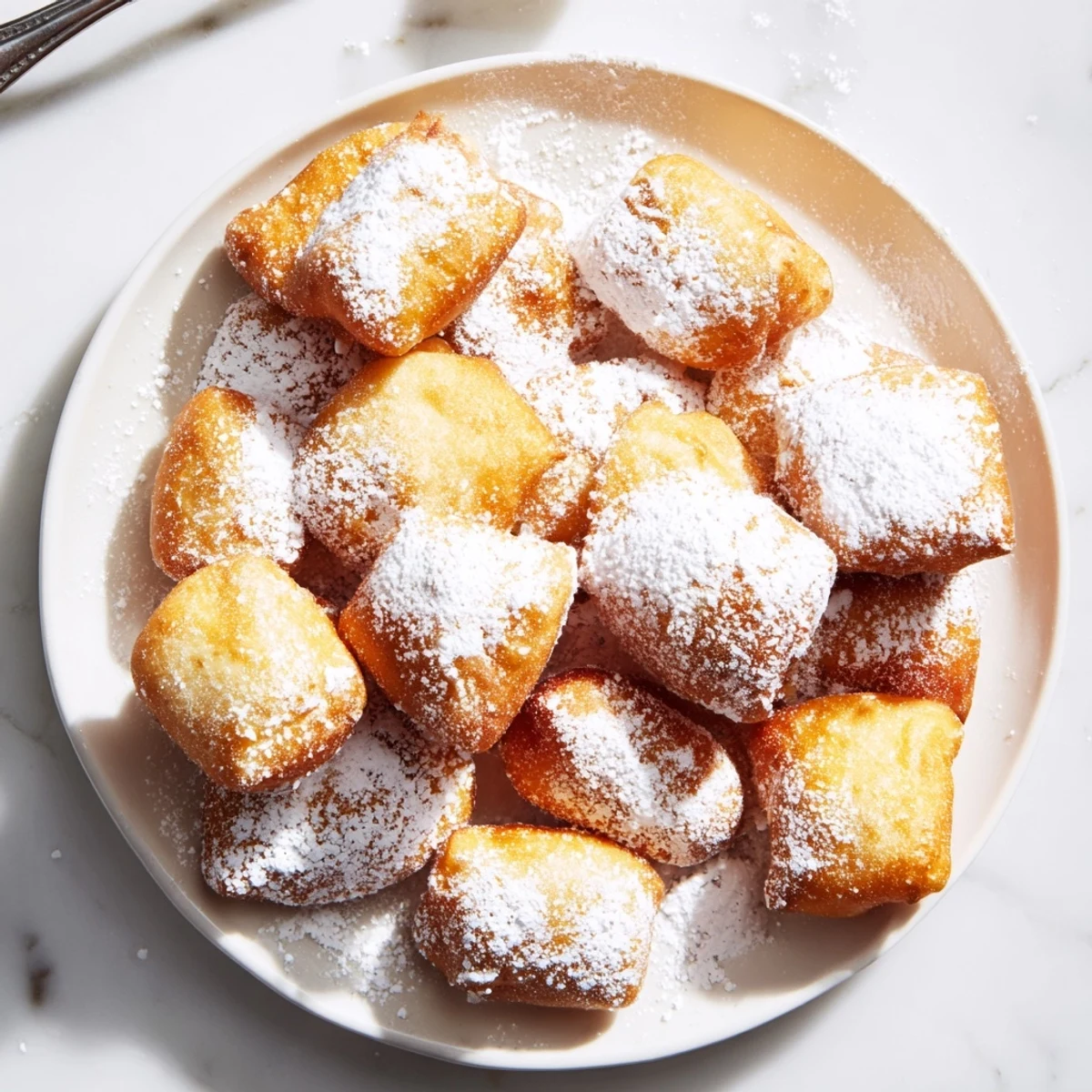
 When I first made these, I made the mistake of frying them at too low a temperature, resulting in oily, heavy disappointments. But once I learned to trust my thermometer and let the oil recover between batches, everything changed. That moment when you bite into a perfectly fried beignet, crisp outside and cloud-soft inside, makes all the practice worth it.
Getting the Rise Right
Ive found that the rising time can vary wildly depending on your kitchen temperature and humidity. On a cold day, I sometimes turn my oven light on and place the dough bowl inside with the door cracked open, creating a warm, draft-free environment. The key is patience, rushed dough never develops the same texture or flavor.
Frying Without Fear
The first few times I deep-fried anything at home, I was convinced I would burn the house down. But using a heavy-bottomed pot and keeping a close eye on the temperature makes it much more approachable. Ive learned that 350°F is the sweet spot, and having paper towels ready for draining saves your countertops from greasy messes.
Serving Ideas That Shine
While plain powdered sugar beignets are absolutely perfect on their own, I love setting up a little dipping station when friends come over. Small bowls of warm honey, good-quality jam, and melted chocolate take this from breakfast to dessert party material. The contrast between hot, crispy dough and cool, sweet toppings is absolutely irresistible.
- Try adding orange zest to the dough for a citrusy twist that pairs beautifully with chocolate
- A pinch of nutmeg in the sugar dusting adds a cozy warmth perfect for winter mornings
- These freeze surprisingly well before frying, so you can make the dough ahead and fry fresh
 Save to feedthepins
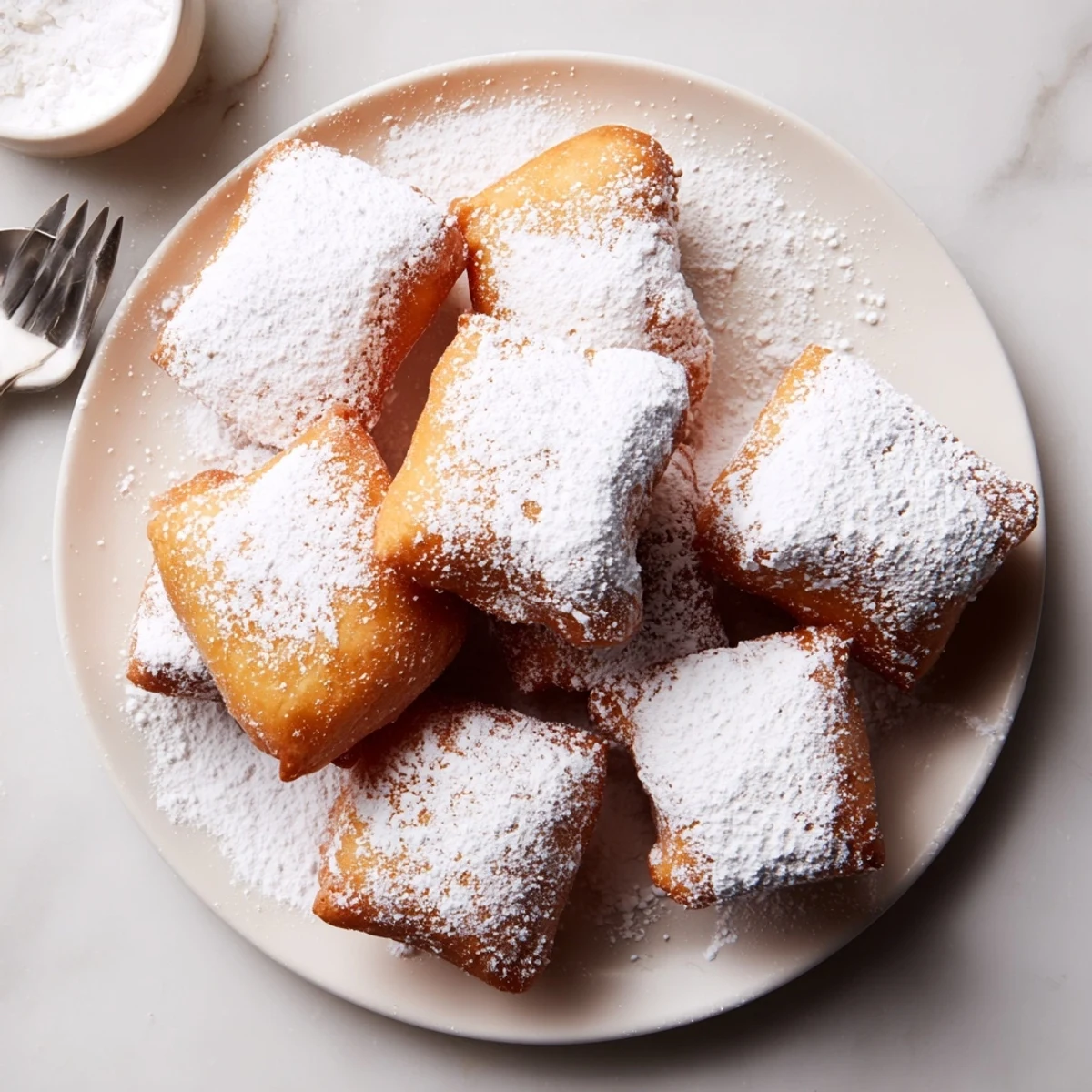
 Theres something deeply satisfying about making beignets at home, turning simple ingredients into something that feels like a special occasion. I hope these vanilla-scented pillows bring as much joy to your kitchen as they have to mine.
Recipe Q&A
- → What makes beignets different from regular donuts?
-
Beignets are square-shaped French pastries made from a yeast-risen dough that's deep-fried until golden and puffy. Unlike American donuts, beignets have a lighter, airier texture with no holes, and they're always generously dusted with powdered sugar while still warm.
- → How do I know when the oil is ready for frying?
-
Use a kitchen thermometer to heat the oil to 350°F (175°C). If you don't have one, drop a small piece of dough into the oil — it should sizzle immediately and rise to the surface within a few seconds, indicating the proper temperature.
- → Why didn't my beignets puff up during frying?
-
This usually happens when the dough hasn't proofed enough or the oil temperature is too low. Ensure your dough doubles in size during the first rise, and let the cut pieces rest for 30 minutes before frying. Maintain proper oil temperature throughout the cooking process.
- → Can I make the dough ahead of time?
-
Absolutely! After the first rise, you can refrigerate the dough overnight. Bring it to room temperature before rolling and cutting. Alternatively, freeze the cut, uncooked beignets on a baking sheet, then transfer to a freezer bag for up to 2 weeks.
- → What's the best way to reheat leftover beignets?
-
Place beignets in a 350°F (175°C) oven for 3–5 minutes until warmed through. Avoid microwaving as it makes them soggy. Refresh with a fresh dusting of powdered sugar before serving.
- → Can I bake beignets instead of frying them?
-
While baking is possible, it won't produce the authentic texture and flavor. Baked versions lack the characteristic crispy exterior and hollow, puffy interior that deep-frying creates. For the traditional experience, frying is essential.