
 Save to feedthepins
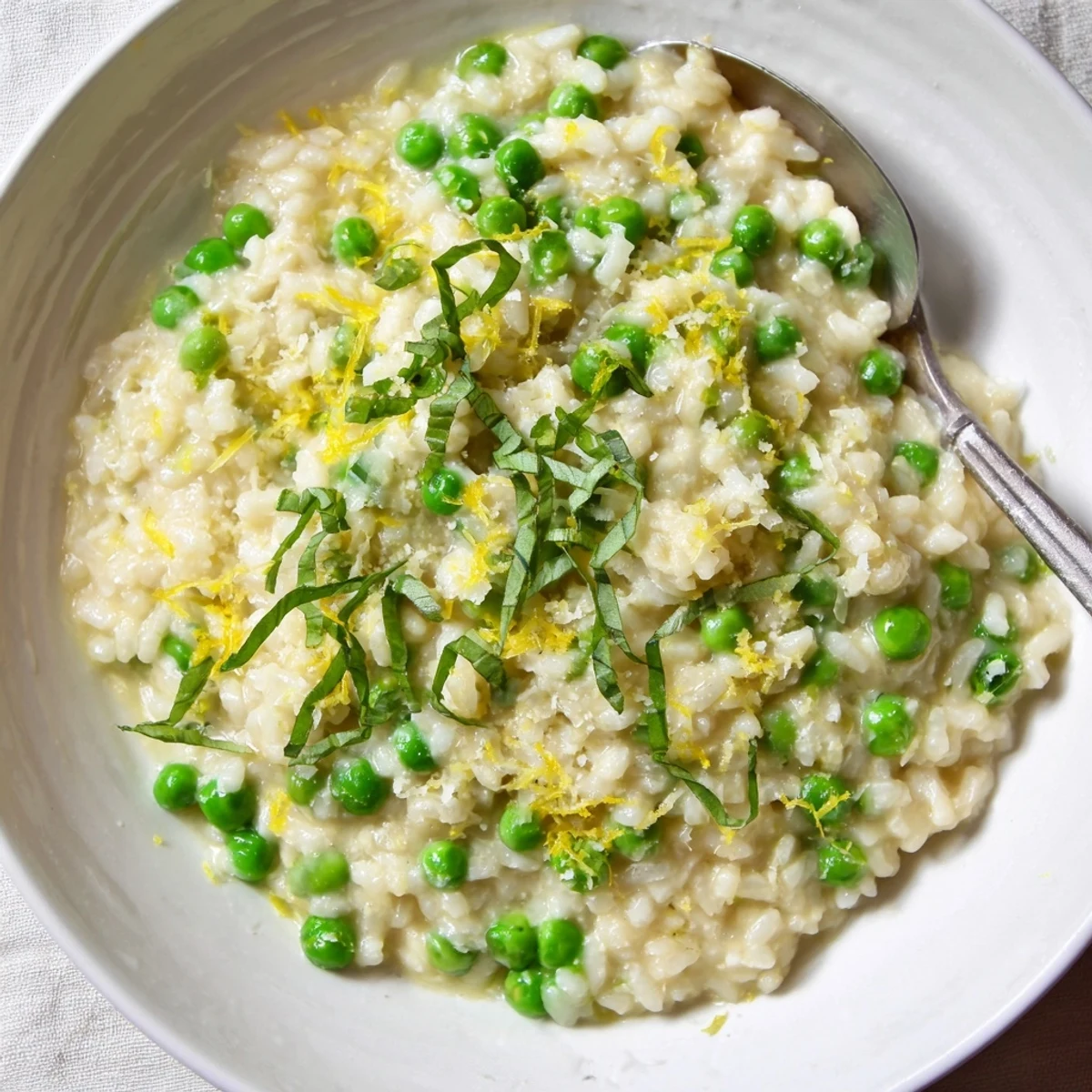
 This vibrant Italian dish transforms Arborio rice into a creamy, luxurious base for sweet spring peas and aromatic fresh basil. The traditional slow-cooking method allows the rice to release its natural starches, creating that signature velvety texture without any heavy cream.
Freshly grated Parmesan adds a nutty, savory depth while a bright finish of lemon zest and juice cuts through the richness. The peas bring natural sweetness and pops of vibrant color, making this as beautiful as it is delicious.
Perfect for spring entertaining or a cozy weeknight dinner, this risotto comes together in just 45 minutes with simple techniques anyone can master.
There was this rainy Tuesday last April when I couldn't decide what to make for dinner, and a bag of fresh peas from the farmers market caught my eye. I'd been craving something comforting but not too heavy, and that's when I remembered my neighbor mentioning her grandmother's spring risotto. The whole apartment filled with this incredible aroma as everything simmered, and my roommate actually wandered in asking what smelled so good. That's the moment risotto went from intimidating special-occasion food to my go-to weeknight comfort.
I made this for my book club meeting when we were discussing a novel set in Italy, and everyone kept asking for the recipe instead of talking about the book. One friend who swore she hated peas actually went back for thirds. Now it's become our little tradition whenever someone hosts spring gatherings.
Ingredients
- Arborio rice: This short-grain rice releases starch gradually while stirring, creating risotto's signature creamy texture without actual cream
- Warm vegetable broth: Keeping it hot prevents shocking the rice, which can make the grains gummy instead of tender
- Yellow onion: Finely diced onion melts into the rice foundation, building layers of savory sweetness
- Spring peas: Fresh peas taste sweeter and brighter, but high-quality frozen peas work beautifully year-round
- Parmesan cheese: Aged Parmesan adds umami depth and saltiness that balances the peas' natural sugar
- Fresh basil: Adding basil at the end preserves its bright, peppery flavor and vibrant green color
- Lemon: Both zest and juice cut through the richness, making each taste feel lighter and fresher
Instructions
- Warm the broth:
- Heat the vegetable broth in a medium saucepan over low heat, keeping it gently simmering so it's ready when needed
- Sauté the aromatics:
- Heat olive oil and 1 tablespoon butter in a large skillet over medium heat, cook onion until translucent about 4 minutes, then add garlic for 1 minute more
- Toast the rice:
- Stir in Arborio rice and cook constantly for 2 minutes until grains look opaque with a tiny white dot in the center
- Add broth gradually:
- Pour in one ladleful of warm broth at a time, stirring frequently and waiting until liquid absorbs before adding more, repeating for 18 to 22 minutes
- Add the peas:
- When rice is almost al dente and creamy, stir in peas and cook 2 to 3 minutes until tender and bright green
- Finish with flair:
- Remove from heat and stir in remaining butter, Parmesan, cream if using, basil, parsley, lemon zest and juice, then season with salt and pepper
 Save to feedthepins
 Last spring, my sister visited and watched me make this, surprised that I wasn't constantly stirring like all the cooking shows say. When she tried it at dinner, she admitted maybe sometimes the relaxed approach actually works better than the textbook rules.
Getting That Restaurant Creaminess
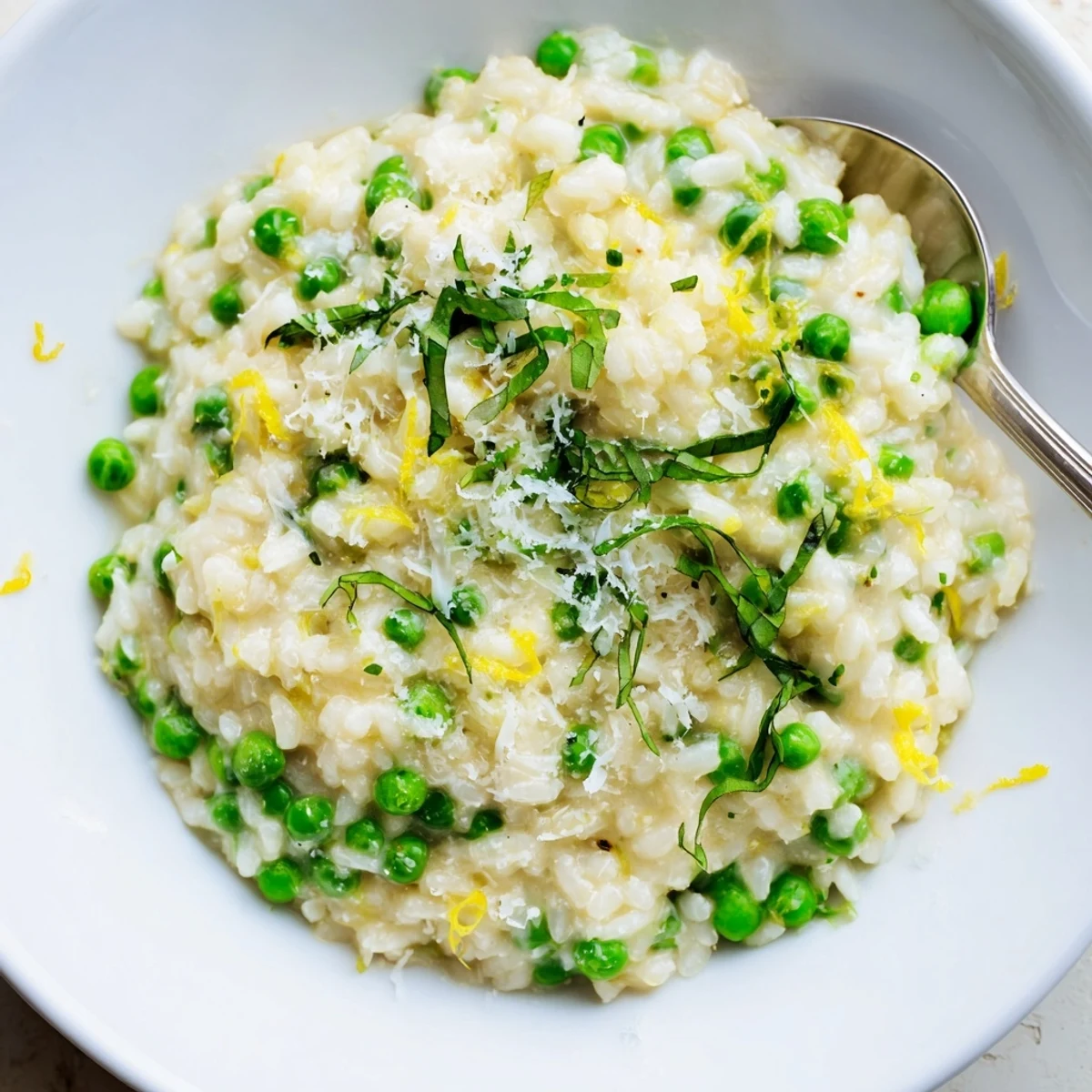
The secret to restaurant-quality risotto isn't actually butter or cream—it's patience and warm broth. Each addition of liquid should be almost fully absorbed before the next ladle goes in, which is what encourages the rice to release its starch and create that natural sauce.
Perfect Timing for Peas
I've learned the hard way that adding peas too early turns them into mushy little gray bullets that nobody wants on their plate. Toss them in during the last few minutes so they stay bright green and pop with sweetness against the creamy rice.
Make It Your Own
Swap fresh mint for half the basil when you want something cooler and more refreshing, or add some asparagus tips along with the peas for extra spring vegetables. A splash of white wine with the first ladle of broth adds lovely complexity.
- Use a good quality vegetable broth since it provides most of the flavor
- Grate your Parmesan fresh for the best melting texture
- Season at the very end since the broth and cheese both add salt
 Save to feedthepins
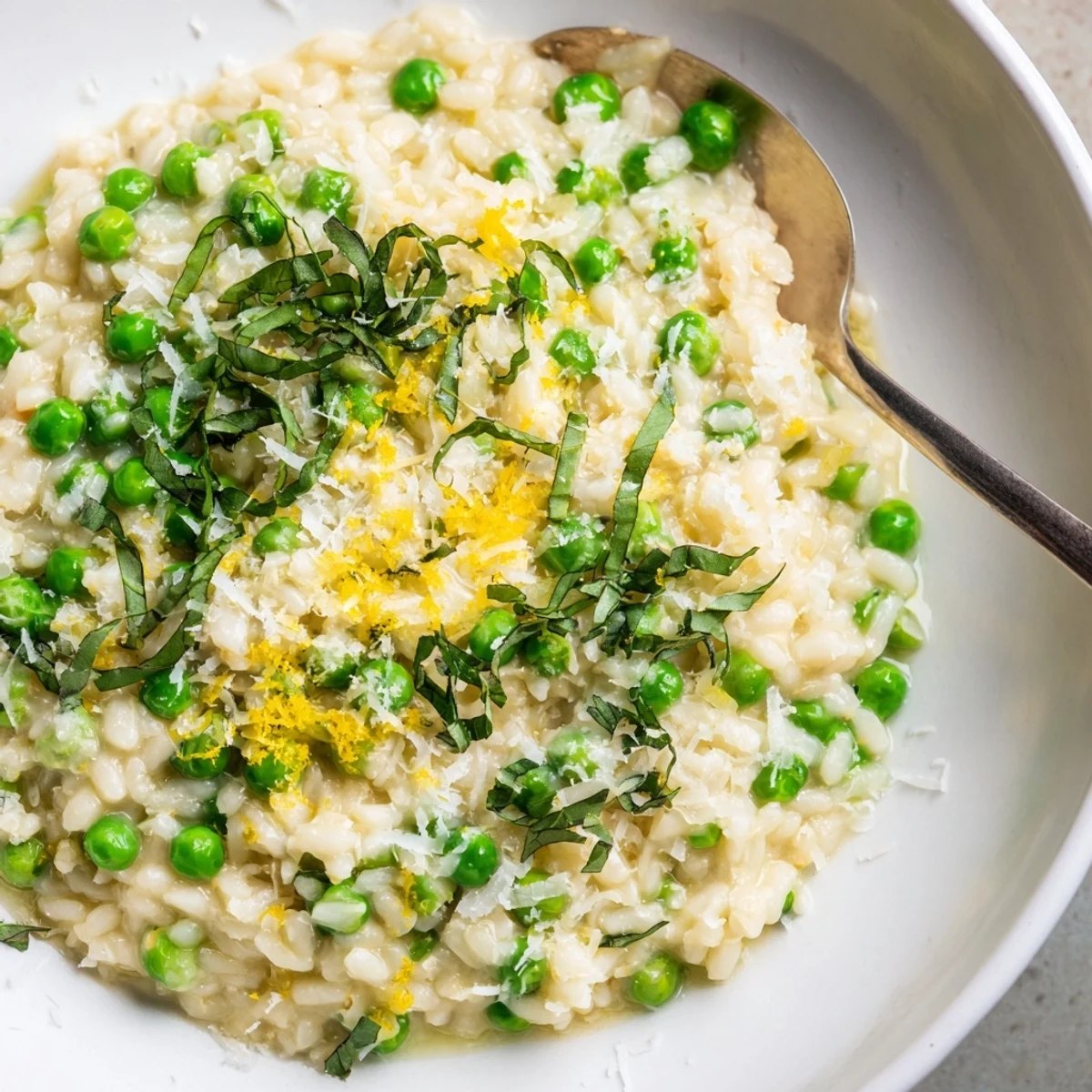
 Spring in a bowl, ready whenever you need something that feels like a warm hug but still tastes fresh and light.
Recipe Q&A
- → What makes risotto creamy without heavy cream?
-
The creaminess comes from Arborio rice's high starch content. As you slowly add warm broth and stir constantly, the rice releases starch into the liquid, creating a naturally velvety texture. The optional heavy cream enhances this but isn't necessary for success.
- → Can I use frozen peas instead of fresh?
-
Absolutely. High-quality frozen peas work beautifully year-round and actually cook faster than fresh ones. Add them directly from frozen during the last 2-3 minutes of cooking—they'll be tender and bright green in no time.
- → Why must the broth be warm when adding to risotto?
-
Adding cold broth shocks the rice, interrupting the starch release and creating uneven cooking. Warm broth maintains a consistent temperature, allowing steady absorption and that perfectly creamy, al dente texture.
- → How do I know when the risotto is done?
-
Taste the rice—it should be tender but still have a slight bite in the center (al dente). The texture should be loose and creamy, not stiff or dry. If it's too thick, add another splash of broth.
- → Can I make this risotto vegan?
-
Yes. Use vegan butter and nutritional yeast or vegan Parmesan in place of dairy. Omit the optional heavy cream or use full-fat coconut milk. The result will still be creamy and delicious.
- → What wine pairs well with this risotto?
-
A crisp Sauvignon Blanc or Pinot Grigio complements the creamy rice and fresh peas beautifully. The wine's acidity cuts through the richness while herbaceous notes echo the basil and parsley.