
 Save to feedthepins
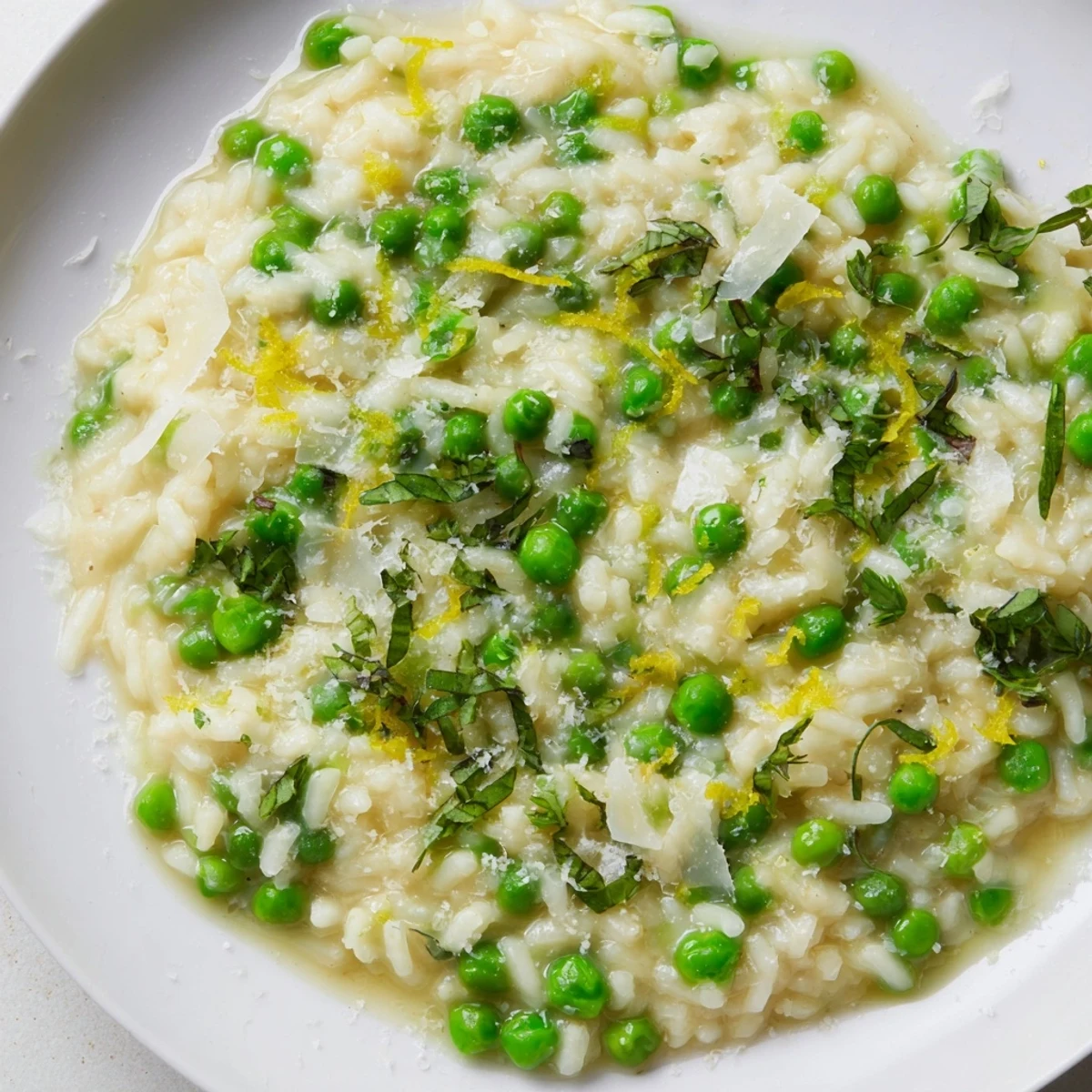
 This vibrant Italian dish combines creamy Arborio rice with sweet spring peas, fresh parsley and mint, and aged Parmesan. The traditional slow-cooking method creates a luxurious texture while the bright green peas add seasonal sweetness. Ready in under an hour, it makes an elegant vegetarian main course that showcases the best flavors of spring.
That first warm afternoon when I finally made risotto at home instead of ordering it, I kept hovering over the pot like it might bite me. My roommate kept wandering through the kitchen asking if it was done yet, but something about the rhythm of stirring broth into rice felt almost meditative. When I finally took that first bite, I couldnt believe how the texture transformed from simple grains into something luxuriously creamy without any heavy cream at all. Now I make it whenever spring peas start appearing at the market, because somehow those sweet little pops of green make everything feel fresher.
Last spring I made this for my sister who claimed she hated risotto because it was too heavy. She watched me add the peas and herbs at the end, looking skeptical about how such simple ingredients could transform the dish. But when she took her first bite and immediately reached for seconds, I knew I had converted another risotto skeptic. We sat at the counter with our bowls, discussing how the mint made everything taste brighter, and she admitted maybe risotto wasnt so bad after all.
Ingredients
- 1 cup fresh or frozen spring peas: These little gems bring natural sweetness and that gorgeous pop of green color that makes the dish feel like spring on a plate
- 1 small onion, finely chopped: The foundation of flavor, providing a sweet aromatic base that builds depth as it softens in butter and oil
- 2 cloves garlic, minced: Add this right after the onion so it infuses the fat without burning or turning bitter
- 2 tablespoons fresh parsley, finely chopped: Fresh herb notes that cut through the richness and add a clean, grassy brightness to each bite
- 1 tablespoon fresh mint, finely chopped: This optional addition is the secret weapon that makes the peas sing and keeps the risotto feeling light
- 1 1/2 cups Arborio rice: The high starch content is absolutely essential for achieving that signature creamy texture without adding any cream
- 4 cups vegetable broth, kept warm: Warm broth prevents the cooking temperature from dropping shockingly, maintaining steady absorption
- 3 tablespoons unsalted butter, divided: One tablespoon starts the aromatics cooking, the rest finishes the dish with luxurious silkiness
- 1/2 cup grated Parmesan cheese: Adds umami depth and helps bind the rice into that perfect consistency where each grain is distinct but embraced by sauce
- 1/2 cup dry white wine: The acidity cuts through the richness and adds complexity that plain broth cannot provide alone
- 2 tablespoons olive oil: Combines with butter to prevent burning and adds a subtle fruitiness to the base
- Salt and freshly ground black pepper: Season gradually throughout the process since the reducing liquid concentrates flavors
- Zest of 1 lemon: Optional but highly recommended for brightening all the rich elements and making spring flavors really pop
Instructions
- Warm the broth first:
- Pour your vegetable broth into a medium saucepan and bring it to a gentle simmer, then reduce heat to low and keep it warm throughout cooking. Cold broth would shock the rice and interrupt that crucial starch release.
- Build your aromatic base:
- Heat olive oil and one tablespoon of butter in your large heavy pan over medium heat. Add the chopped onion and cook for 2 to 3 minutes until it turns translucent and sweet.
- Wake up the garlic:
- Stir in the minced garlic and cook for just one minute until fragrant. Watch carefully since garlic can turn bitter quickly once it starts to brown.
- Toast the rice:
- Add the Arborio rice and stir constantly for 2 minutes. The grains should look slightly translucent around the edges and smell nutty, which helps them hold their texture while still releasing starch.
- Add the wine:
- Pour in the white wine and keep stirring until the liquid has nearly disappeared. This step deglazes any flavorful bits from the bottom and adds acidity that balances the final dish.
- The rhythmic stirring begins:
- Add one ladleful of warm broth, about half a cup, and stir gently. Wait until the rice has absorbed almost all the liquid before adding the next ladleful, repeating this process for 18 to 20 minutes.
- Introduce the peas:
- When about 5 minutes remain in your cooking time, stir in the peas so they cook through but maintain their bright color and slight pop.
- Finish with luxurious touches:
- Remove from heat once the rice is creamy but still has a slight bite in the center. Stir in the remaining butter, Parmesan, parsley, mint if using, and lemon zest until everything is well combined.
- Serve immediately:
- Risotto waits for no one, so plate it right away while the texture is at its absolute peak. Top with extra Parmesan and fresh herbs if you are feeling fancy.
 Save to feedthepins
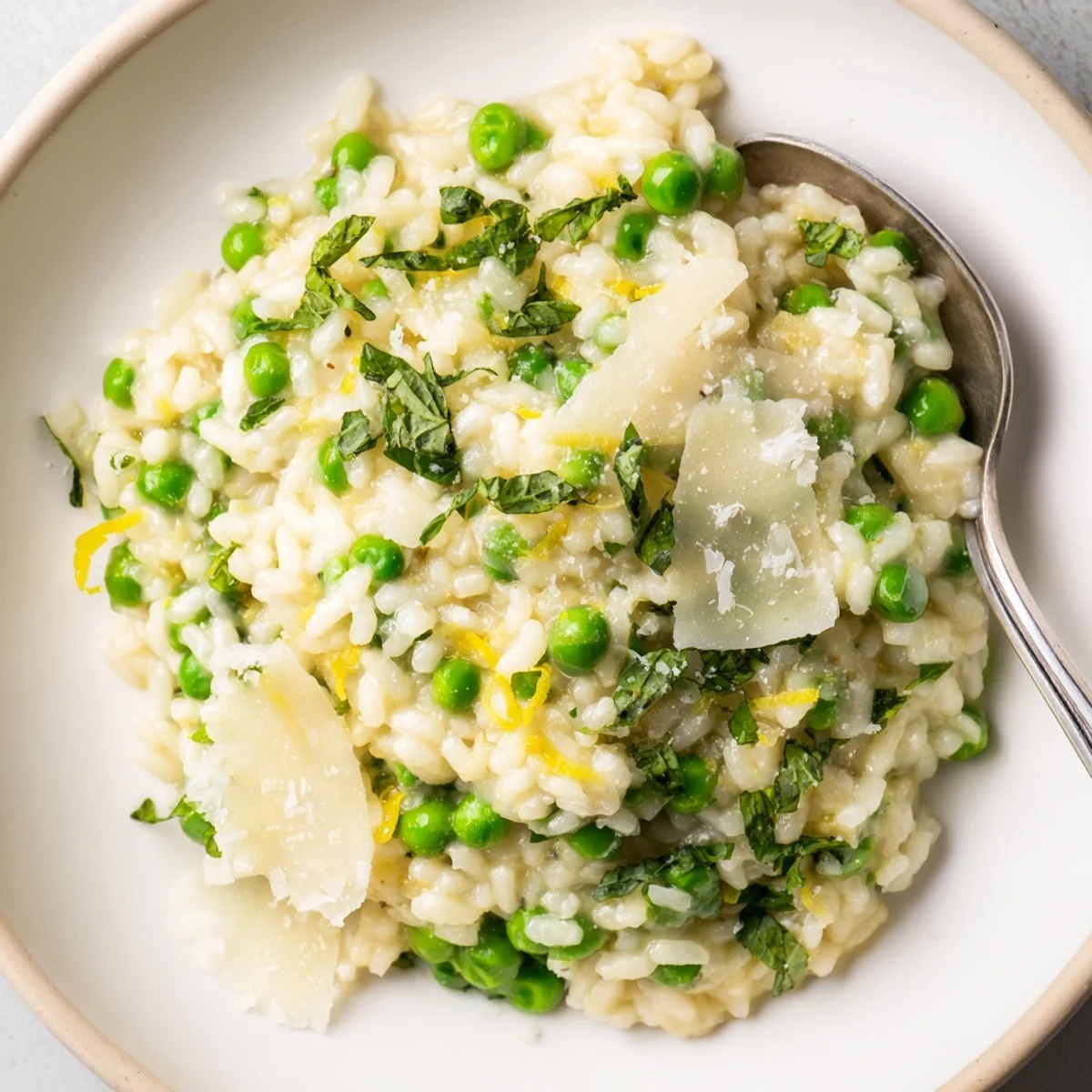
 This risotto has become my go-to when friends need comfort food that still feels special enough for a dinner party. There is something universally soothing about the process, and people always seem to linger around the stove longer when this is bubbling away. I have watched stressed guests visibly relax as the aromas of onion, garlic, and toasting rice fill the kitchen.
The Art of Rice Selection
Arborio rice contains more amylopectin starch than other varieties, which is exactly what creates that beautiful creamy sauce as it cooks. I have tried using regular short-grain rice in a pinch, and while edible, it never achieves that restaurant-quality texture. Spend the extra few dollars on proper Arborio or Carnaroli rice because the difference is genuinely worth every penny.
Perfecting Your Broth Technique
Adding broth gradually allows the rice to release starch slowly rather than all at once, which creates that velvety consistency. I keep my broth in a saucepan on a back burner at the lowest possible setting, using a ladle to add it one at a time. If you add too much liquid at once, you end up with boiled rice rather than true risotto.
Making It Your Own
Once you have mastered the basic technique, this recipe becomes a canvas for seasonal vegetables and flavors. I have made versions with asparagus in early spring, roasted corn in summer, and butternut squash when fall arrives.
- Sautéed mushrooms add an earthy depth that pairs beautifully with the creamy rice
- A handful of fresh spinach wilts nicely right at the end for extra color and nutrition
- Crispy pancetta or prosciutto on top makes this completely non-vegetarian but absolutely delicious
 Save to feedthepins
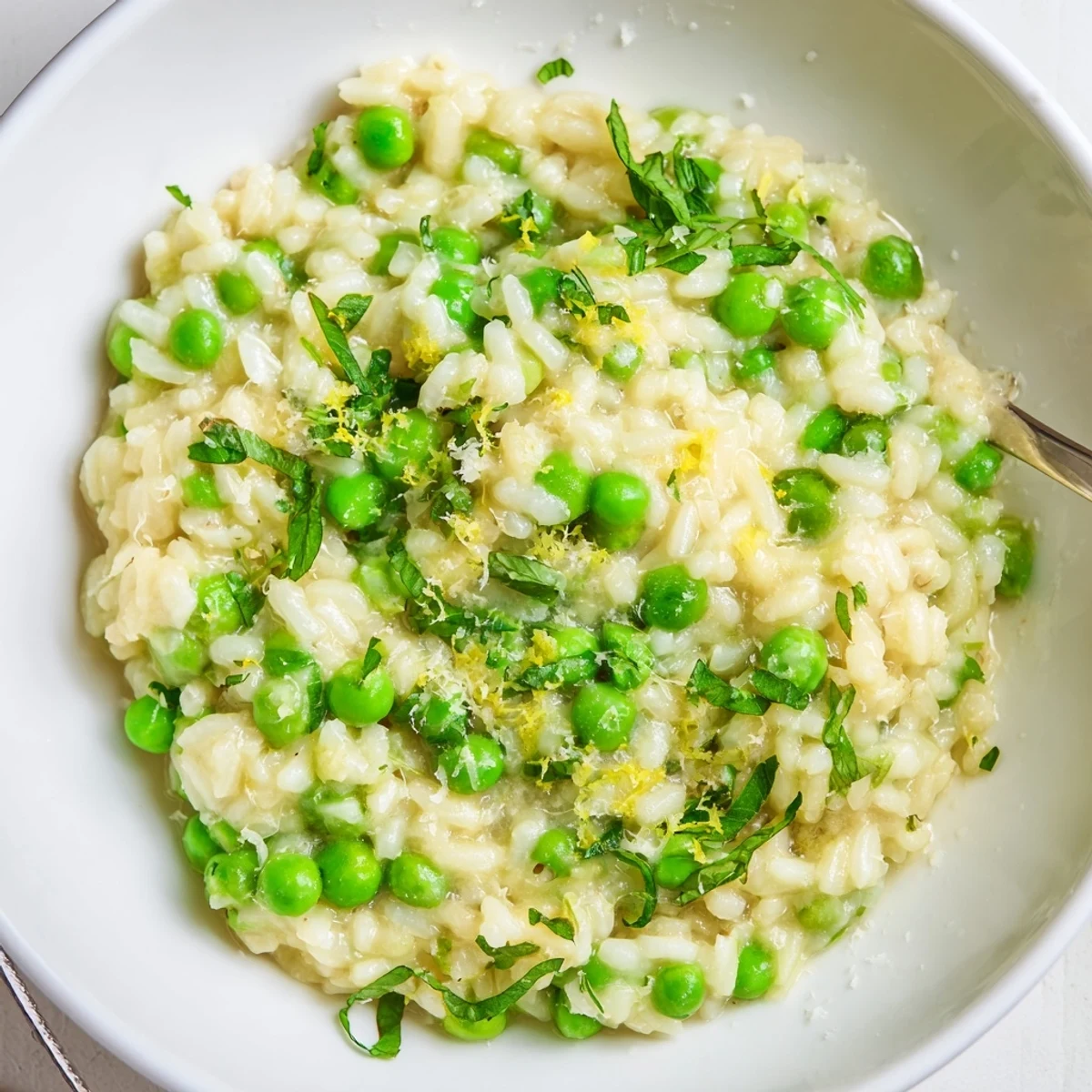
 There is something deeply satisfying about transforming simple ingredients into something that feels luxurious and comforting. This risotto reminds me that good cooking often comes down to patience and attention rather than fancy techniques or hard-to-find ingredients.
Recipe Q&A
- → Do I need to use Arborio rice?
-
Arborio rice is essential for authentic risotto due to its high starch content, which creates the signature creamy texture. Other short-grain rice varieties like Carnaroli can work, but long-grain rice won't achieve the same results.
- → Can I use frozen peas instead of fresh?
-
Absolutely. Frozen peas work wonderfully and are often sweeter since they're picked at peak ripeness. Simply add them directly to the risotto during the final 5 minutes of cooking—no need to thaw first.
- → How do I know when the risotto is done?
-
The rice should be tender but still have a slight bite in the center (al dente). The texture should be creamy and流动, not soupy or stiff. This typically takes 18-20 minutes of gradual broth addition.
- → What can I substitute for white wine?
-
You can replace white wine with additional vegetable broth or a splash of lemon juice mixed with water. The wine adds acidity and depth, but the dish will still be delicious without it.
- → How do I store and reheat leftovers?
-
Store in an airtight container in the refrigerator for up to 3 days. Reheat gently with a splash of broth or water, stirring frequently to restore the creamy texture. The rice will continue to soften as it sits.
- → Can I make this vegan?
-
Yes. Substitute the butter with olive oil or vegan butter and use nutritional yeast or vegan Parmesan alternative. The risotto will still be creamy and satisfying without dairy.