
 Save to feedthepins
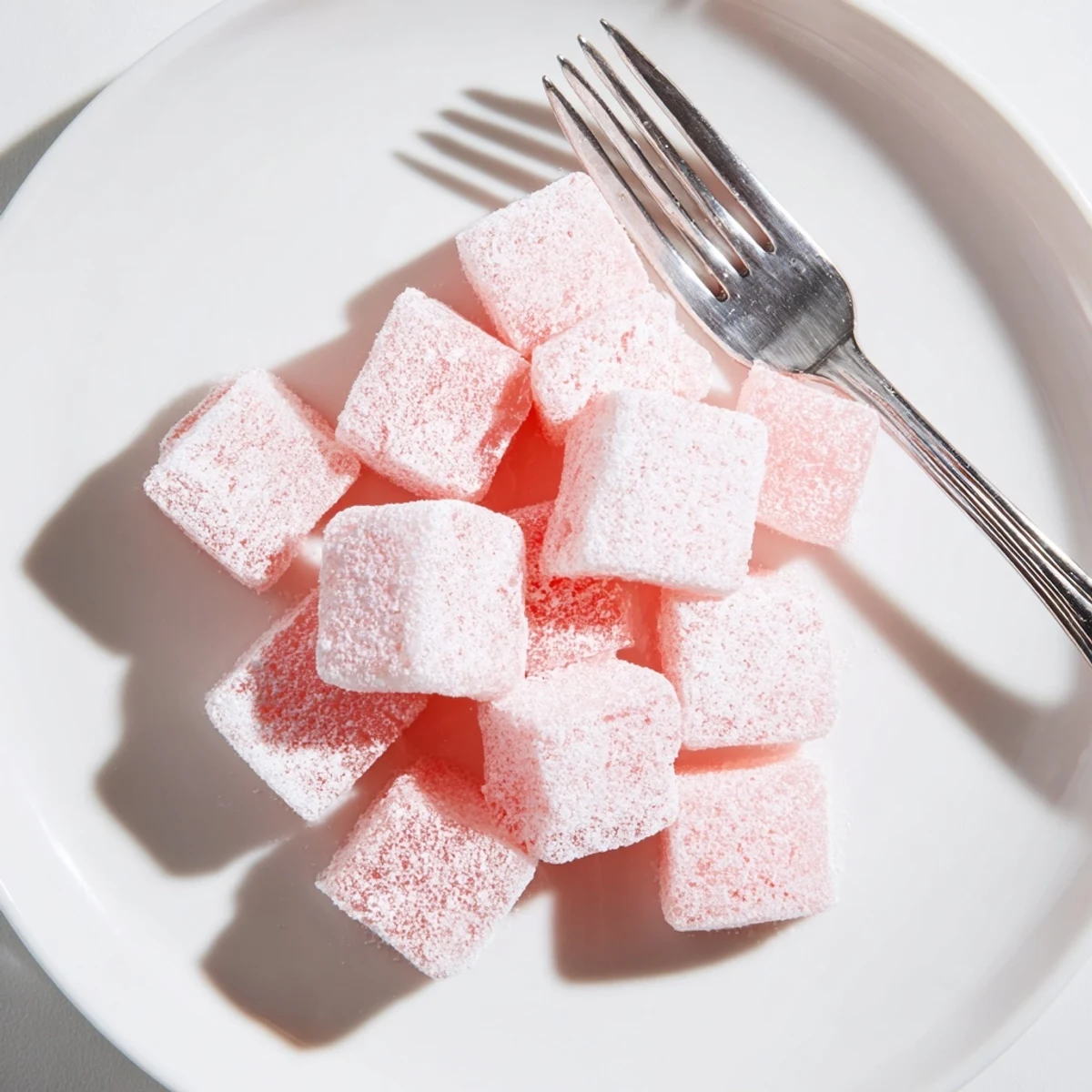
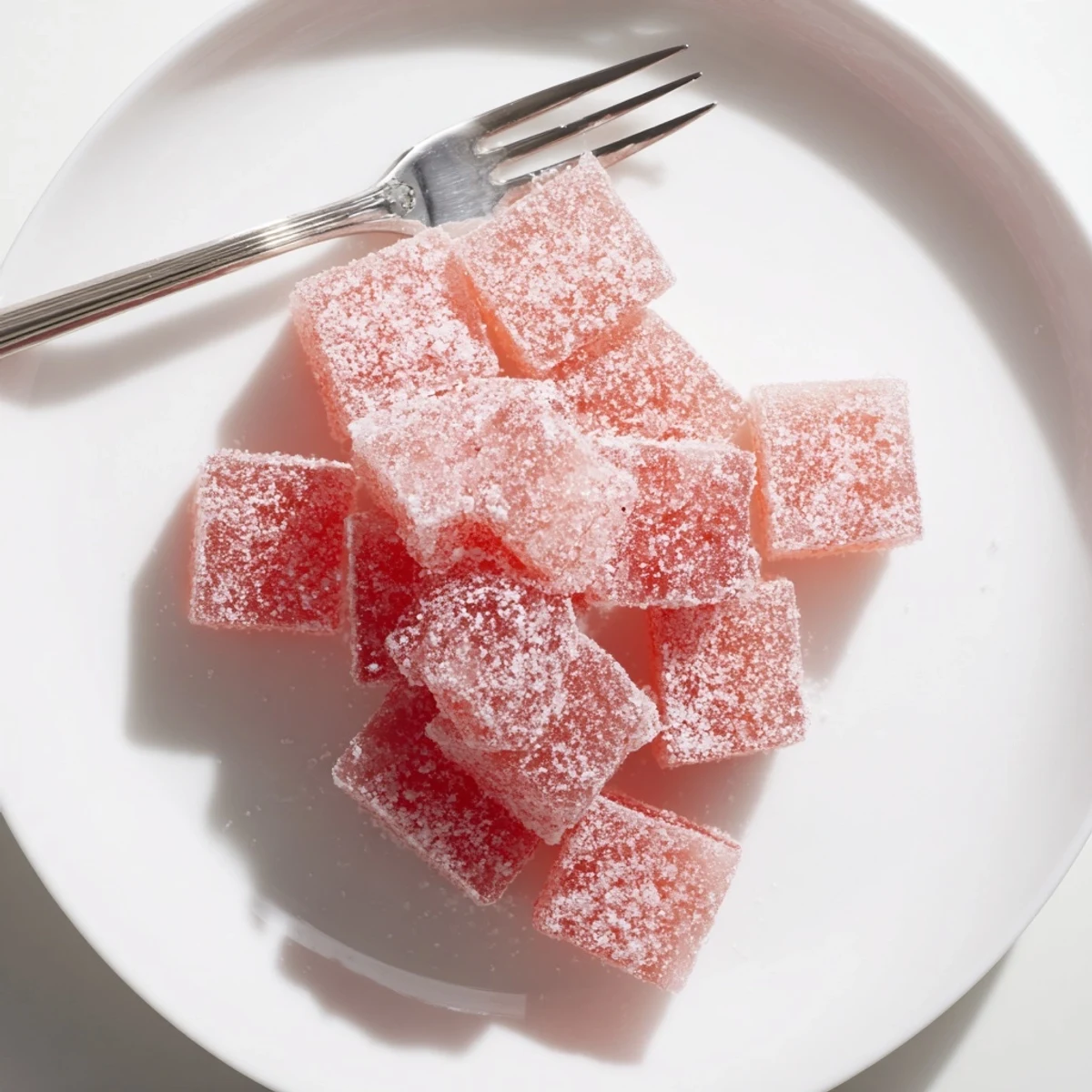
 Create irresistibly chewy watermelon candies with perfectly balanced sweet and tangy flavors. These fruit-based chews feature a soft, gelatin texture infused with fresh watermelon puree and finished with a zesty citric acid coating.
The process involves blooming gelatin in strained watermelon juice, heating with sugar and corn syrup until dissolved, then setting the mixture before cutting into bite-sized squares. Each piece gets rolled in a sour sugar blend for that classic pucker-worthy finish.
Perfect for summer gatherings, party favors, or homemade gifts, these colorful treats capture the essence of fresh watermelon in a shelf-stable format. The recipe yields approximately 40 pieces and stores beautifully for a week when kept in an airtight container with wax paper between layers.
The summer my niece turned six, she decided watermelon was the only food worth eating. We went through three or four a week, and I started looking for ways to preserve that fleeting sweetness before September arrived. These sour chews were born from that abundance, turning an entire melon into something pocket sized and puckery that she could take to school.
I brought a batch to a July potluck and watched adults revert to childhood, reaching for seconds while pretending they were just checking the texture. Something about that combination of fruity and sour makes people forget their manners in the best possible way.
Ingredients
- Seedless watermelon puree: Strain it through a fine mesh sieve twice or you will end up with fibrous bits in your candy
- Unflavored gelatin powder: Let it bloom fully or your chews will never set properly
- Light corn syrup: This prevents crystallization and keeps the texture smooth
- Granulated sugar: Divide this between the candy base and coating
- Citric acid powder: Find this in the canning aisle or baking section of well stocked grocery stores
- Lemon juice: Fresh squeezed brightness that balances the watermelons sweetness
Instructions
- Prepare your pan:
- The parchment paper needs to hang over the edges so you can lift the whole slab out later. Grease it lightly even with parchment, or these will stick.
- Mix the fruit base:
- Combine the strained watermelon puree, corn syrup, and lemon juice in a small saucepan. Stir until everything is fully incorporated.
- Bloom the gelatin:
- Sprinkle the gelatin powder over the surface without stirring. Let it sit for exactly 5 minutes until it looks like wet sand.
- Dissolve everything together:
- Add the sugar and warm over medium low heat, stirring constantly. The mixture needs to reach a point where the gelatin and sugar completely disappear, but do not let it boil or the texture will suffer.
- Set the candy:
- Pour into your prepared pan and smooth the top. Let it cool at room temperature for 30 minutes before refrigerating for 2 hours until firm.
- Make the sour coating:
- Whisk together the remaining sugar and citric acid in a shallow bowl until evenly distributed.
- Cut and coat:
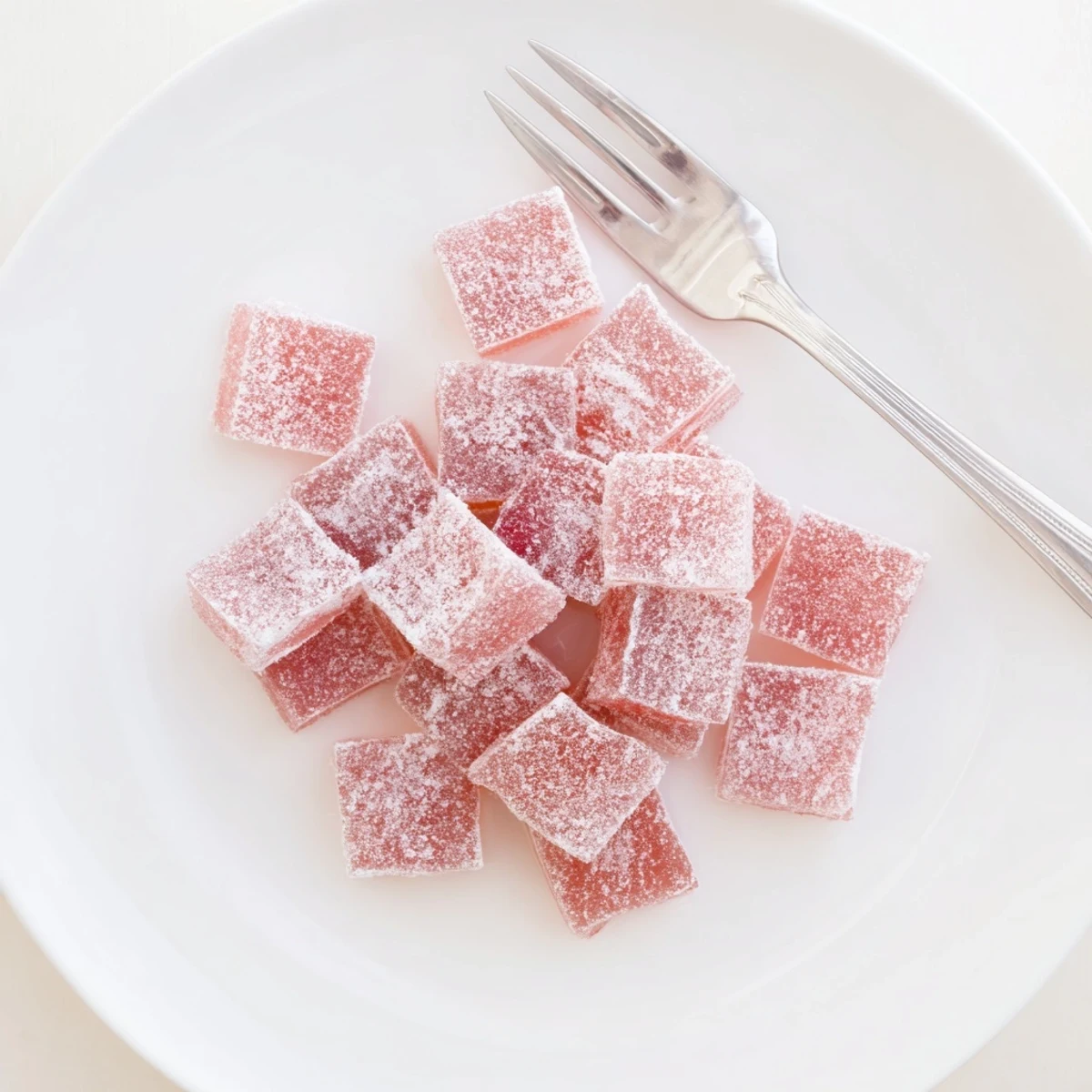
- Use a sharp knife to cut the set candy into small squares. Toss each piece individually in the sour sugar mixture until fully coated.
 Save to feedthepins
 My friend Sarah keeps a jar on her desk and says they saved her during exam week, that little burst of sour waking up her brain better than coffee ever could.
Getting The Right Texture
The difference between perfectly chewy and weirdly rubbery comes down to not overheating the gelatin mixture. Keep that heat at medium low and be patient with the stirring.
Flavor Variations
Strawberry works beautifully with the same sour coating, though you will want to reduce the lemon juice slightly since berries are naturally more tart than watermelon.
Storage Secrets
These chews soften over time, especially in humidity. A wax paper layer between each row of candy in your storage container prevents them from fusing together.
- Keep them somewhere cool and dry rather than the refrigerator
- They are best within the first week for that perfect chewy texture
- If they start getting sticky, a fresh roll in coating brings them back to life
 Save to feedthepins
 These little chews have become my go to summer contribution, always disappearing faster than the fancy desserts people spent hours on.
Recipe Q&A
- → Why strain the watermelon puree?
-
Removing pulp and seeds ensures a smooth, uniform texture in your finished chews. Any fruit solids can create gritty spots or interfere with proper gelatin setting.
- → Can I use agar agar instead of gelatin?
-
Agar powder can substitute gelatin for vegetarian versions, though the texture becomes slightly firmer and less elastic. Use about 1 tablespoon agar powder and follow the same heating process.
- → How do I know when the gelatin has bloomed properly?
-
The surface will appear wrinkled and absorb the liquid, taking on a wrinkled, opaque appearance rather than sitting as dry powder on top. This usually takes 4-5 minutes.
- → Why shouldn't the mixture boil?
-
Boiling can break down gelatin's gelling ability and cause the sugar to caramelize, affecting both texture and flavor. Gentle heating until everything dissolves is sufficient.
- → What if my chews are too soft?
-
Reduce the watermelon puree slightly or increase gelatin by 1 teaspoon next time. Ensure proper refrigeration time—the full 2 hours helps achieve ideal chewy consistency.
- → Can I make these without citric acid?
-
Extra lemon juice in the coating provides sourness, though citric acid delivers that classic candy-shop tang. Increase lemon juice to 2-3 tablespoons mixed with the coating sugar.