
 Save to feedthepins
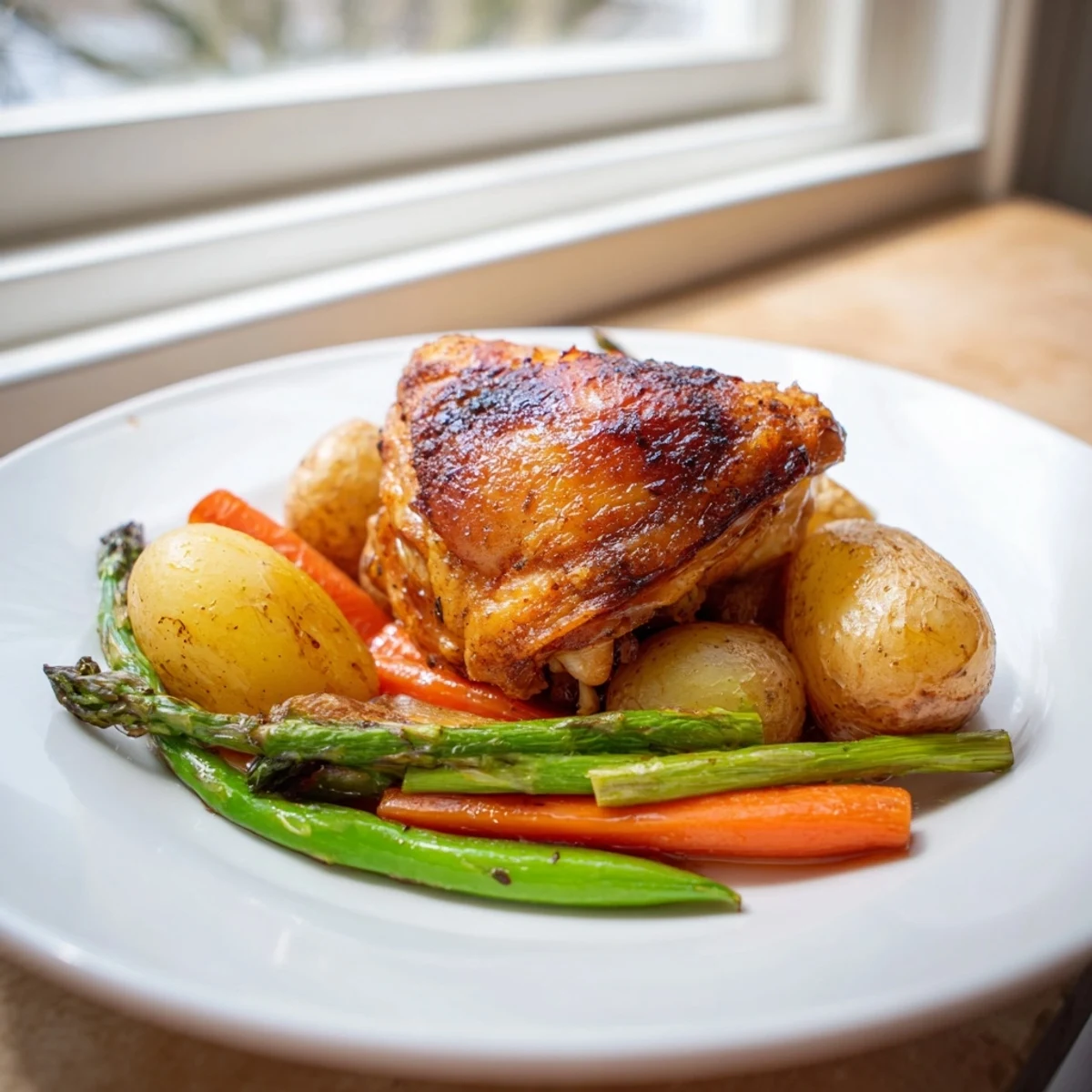
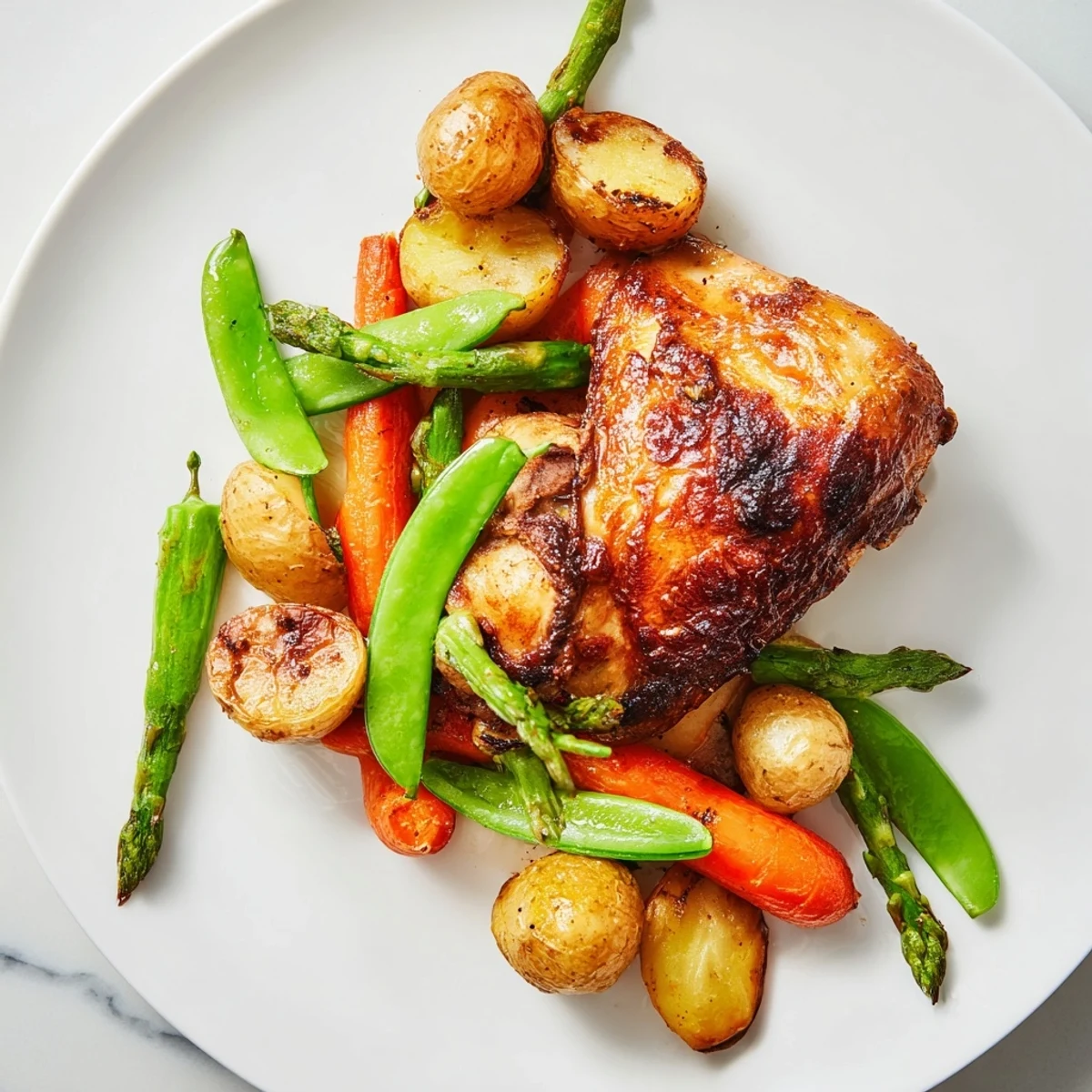
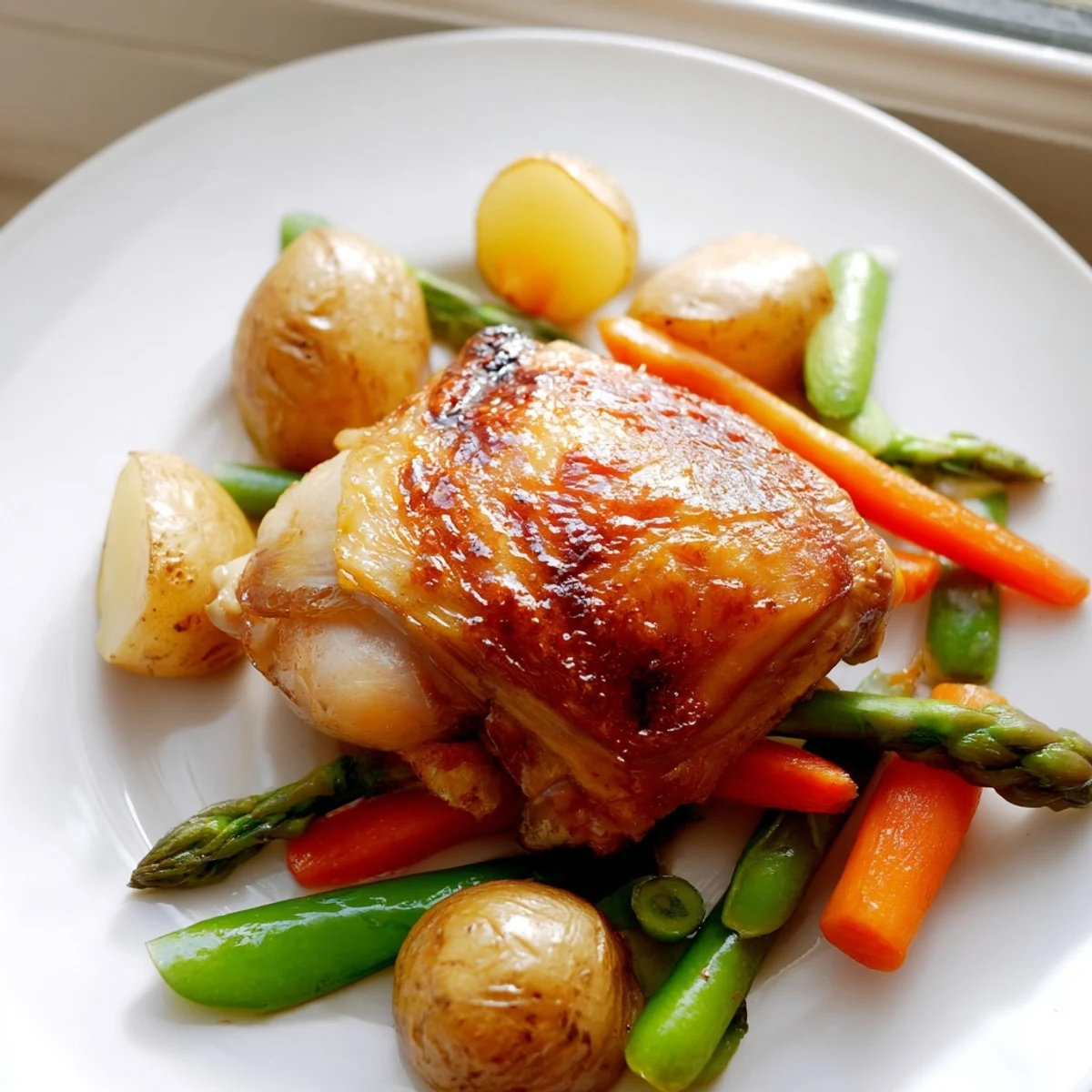
 This dish features a whole chicken rubbed with olive oil, lemon, garlic, thyme, and rosemary, roasted to juicy perfection. Alongside, a colorful mix of spring vegetables including baby potatoes, carrots, asparagus, and sugar snap peas complements every bite. Roasting brings out natural flavors and creates a balanced, hearty meal ideal for any season. Let the chicken rest before serving to preserve its moisture and tenderness.
Last spring, my neighbor invited me over for an impromptu Sunday dinner and served this gorgeous roast chicken surrounded by the most colorful vegetables I'd seen. The asparagus was bright green, the carrots glowed orange, and the whole dish smelled like lemon and rosemary. I left that night determined to recreate it, and now it's become my go-to whenever I want something that looks impressive but is actually quite straightforward.
I made this for my family during our first spring gathering after a long gray winter, and my aunt actually asked for the recipe before she'd even finished her first serving. There's something about a whole roasted chicken that makes any dinner feel like an occasion, especially when it's surrounded by those vibrant spring vegetables. Now whenever I see asparagus at the market, this is the dish that immediately comes to mind.
Ingredients
- 1 whole chicken (about 1.6 kg / 3.5 lbs), patted dry: Bring it to room temperature before cooking for more even roasting
- 2 tbsp olive oil: Use extra virgin for the best flavor on the chicken skin
- 1 lemon, halved: The juices steam inside the cavity, keeping the meat incredibly moist
- 4 garlic cloves, smashed: Don't mince them—smashed cloves release flavor slowly as they roast
- 1 tsp kosher salt: Diamond Crystal is my go-to for even seasoning
- ½ tsp black pepper: Freshly cracked makes a noticeable difference
- 2 sprigs fresh thyme and 2 sprigs fresh rosemary: Tuck them inside with the lemon for aromatics
- 250 g (9 oz) baby potatoes, halved: These need the longer cooking time to become tender
- 200 g (7 oz) baby carrots, peeled: Look for thin ones so they cook through
- 200 g (7 oz) asparagus, trimmed and cut into thirds: Medium stalks work best—too thick and they're woody
- 150 g (5 oz) sugar snap peas, trimmed: These cook quickly, so adding them later prevents mushiness
- 1 tbsp olive oil, ½ tsp salt, ¼ tsp black pepper: Toss vegetables with these before roasting
Instructions
- Preheat and prep the chicken:
- Heat your oven to 200°C (400°F) and use paper towels to thoroughly pat the chicken dry inside and out.
- Season and stuff the bird:
- Rub the chicken all over with olive oil, salt, and pepper, then stuff the cavity with lemon halves, smashed garlic, thyme, and rosemary.
- Position and prep vegetables:
- Place the chicken breast-side up on a roasting rack in your pan, then toss potatoes and carrots with olive oil, salt, and pepper and arrange them around the chicken.
- Start the roast:
- Roast everything together for 35 minutes to give the potatoes and carrots a head start.
- Add quick-cooking vegetables:
- Remove the pan, add asparagus and sugar snap peas, tossing them gently with the other vegetables and pan juices.
- Finish roasting and rest:
- Return to the oven for 20 more minutes until juices run clear and a thermometer reads 75°C (165°F) in the thickest part of the thigh, then let the chicken rest for 10 minutes before carving.
 Save to feedthepins
 This recipe earned a permanent spot in my rotation after I made it for a friend who's notoriously picky about vegetables. She ate every last carrot and even asked if I could teach her how to roast chicken that wasn't dry. There's something deeply satisfying about serving a meal where nothing goes to waste—not even the roasted potatoes everyone fights over.
Seasonal Swaps
The beauty of this recipe is its adaptability. In summer, I'll swap in cherry tomatoes and zucchini. Fall gets Brussels sprouts and parsnips. Winter brings root vegetables like turnips and shallots. The cooking times might shift slightly, but the method stays wonderfully consistent.
The Wine Trick
Halfway through roasting, I sometimes add a splash of white wine to the bottom of the pan. It creates the most incredible pan juices, perfect for spooning over the carved chicken and vegetables. Just be careful not to pour it directly onto the chicken or you'll lose that crispy skin.
Serving Suggestions
A crisp Sauvignon Blanc cuts through the richness of the chicken beautifully. I also love serving this with a simple green salad dressed with lemon vinaigrette to echo the flavors inside the bird. Crusty bread is essential for sopping up those pan juices.
- Let the chicken rest at least 10 minutes—even 15 minutes isn't too long
- Save the pan drippings to toss with leftovers for next-day lunch
- If the vegetables seem crowded, don't worry—they'll shrink as they roast
 Save to feedthepins
 Roast chicken with spring vegetables feels like the kind of meal that brings people together around the table, linger over wine, and leave everyone asking when you'll make it again.
Recipe Q&A
- → How do I ensure the chicken stays moist during cooking?
-
Rubbing the chicken with olive oil and stuffing the cavity with lemon and herbs helps keep it juicy. Additionally, letting the chicken rest after roasting allows the juices to redistribute.
- → Can I substitute the spring vegetables with others?
-
Yes, seasonal vegetables like zucchini, bell peppers, or green beans can be used depending on availability and preference.
- → What internal temperature should the chicken reach?
-
The chicken is fully cooked when the thickest part of the thigh reads 75°C (165°F) on a meat thermometer.
- → Is it necessary to use fresh herbs in this preparation?
-
Fresh thyme and rosemary add bright, aromatic notes, but dried herbs can be used if fresh are unavailable, though flavor intensity may be milder.
- → How can I add extra flavor to the vegetables during roasting?
-
Tossing the vegetables with olive oil, salt, and pepper before roasting enhances their taste. Adding a splash of white wine to the roasting pan can also impart depth.