
 Save to feedthepins
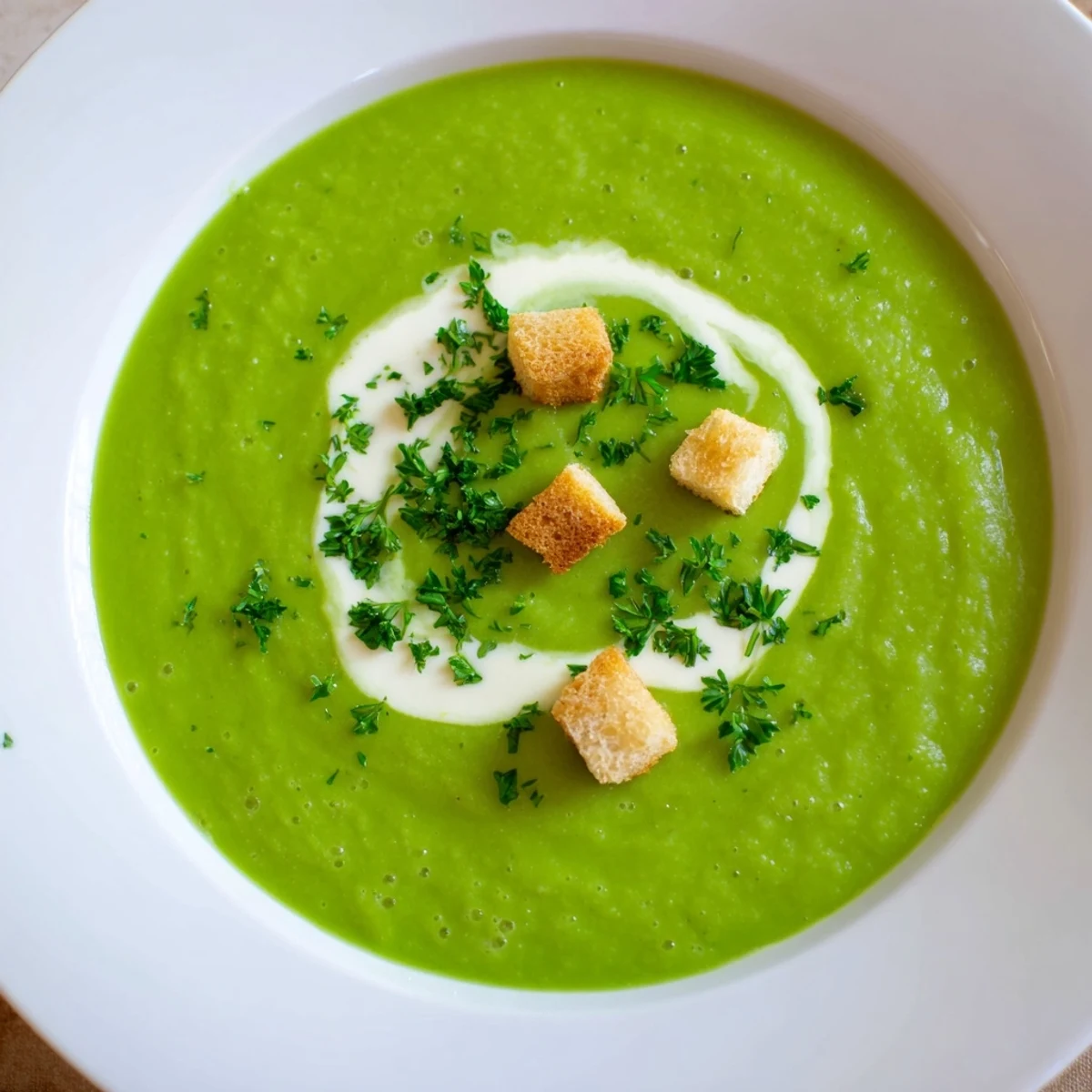
 This pea soup begins by gently sautéing onion, garlic, carrots and celery in olive oil until softened. Add peas, vegetable broth and thyme, simmer until tender, then purée until smooth. Stir in chopped parsley, season to taste and heat through. Finish bowls with a swirl of crème fraîche or yogurt and croutons or crusty bread; strain for extra silkiness or add smoked paprika or mint for variation.
The rain was hammering against the kitchen window so hard I could barely hear the radio, which was probably for the best because the only station I could get was playing songs from 1987. I had a bag of frozen peas that had been living in my freezer for longer than I care to admit and nothing else that resembled dinner plans. Forty minutes later I was sitting on the floor with the pot between my knees, eating soup straight from the ladle because all my bowls were dirty. Some nights you just need green velvet in a pot and zero ceremony.
I once made this for my neighbor who had just had a baby and she stood at her front door drinking it from a mug while her older kids ran circles around her. She texted me that night asking if it was weird to want soup for breakfast. It is not weird at all.
Ingredients
- Olive oil: Just a tablespoon to start everything off, dont be tempted to skip it because it carries the flavor of the aromatics beautifully.
- Onion: One medium, finely chopped so it melts into the soup rather than floating around in chunks.
- Garlic: Two cloves minced, though I often sneak in a third because garlic is one of those things you should never skimp on.
- Carrots: Two medium ones diced small, adding natural sweetness that balances the earthiness of the peas.
- Celery: One stalk diced, it is the quiet hero in the background that makes everything taste more complete.
- Green peas: 500 grams frozen or fresh, and honestly frozen works so well here you would never know the difference.
- Vegetable broth: One liter of good quality broth makes all the difference, so taste yours before you commit to it.
- Dried thyme: One teaspoon brings a gentle herbal warmth that ties the whole pot together.
- Fresh parsley: Two tablespoons chopped plus extra for garnish, stirred in at the end so it stays bright.
- Salt and pepper: To taste, and please taste as you go rather than guessing at the end.
- Creme fraiche or yogurt: Optional but a dollop on top makes it feel like restaurant soup.
- Croutons or crusty bread: For dunking, because soup without something to dip is just a lonely bowl of sadness.
Instructions
- Wake up the onion:
- Heat the olive oil in a large pot over medium heat and add the chopped onion, cooking until it turns translucent and your kitchen smells like the beginning of something good, about 3 minutes.
- Build the foundation:
- Stir in the garlic, carrots, and celery, letting them saute together for about 5 minutes until the carrots soften slightly at the edges and everything smells sweet and savory.
- Let it swim:
- Add the peas, pour in the vegetable broth, and sprinkle in the thyme, then bring everything to a boil before reducing the heat to a gentle simmer for 20 minutes until the peas are tender and yielding.
- Work the magic:
- Use an immersion blender right in the pot to puree until smooth, or work in batches with a standard blender if that is what you have, being careful not to fill it too full with hot liquid.
- Finish with freshness:
- Return the soup to the pot if you used a blender, stir in the parsley, and season with salt and pepper until it tastes right to you, heating through for another minute if needed.
- Make it pretty:
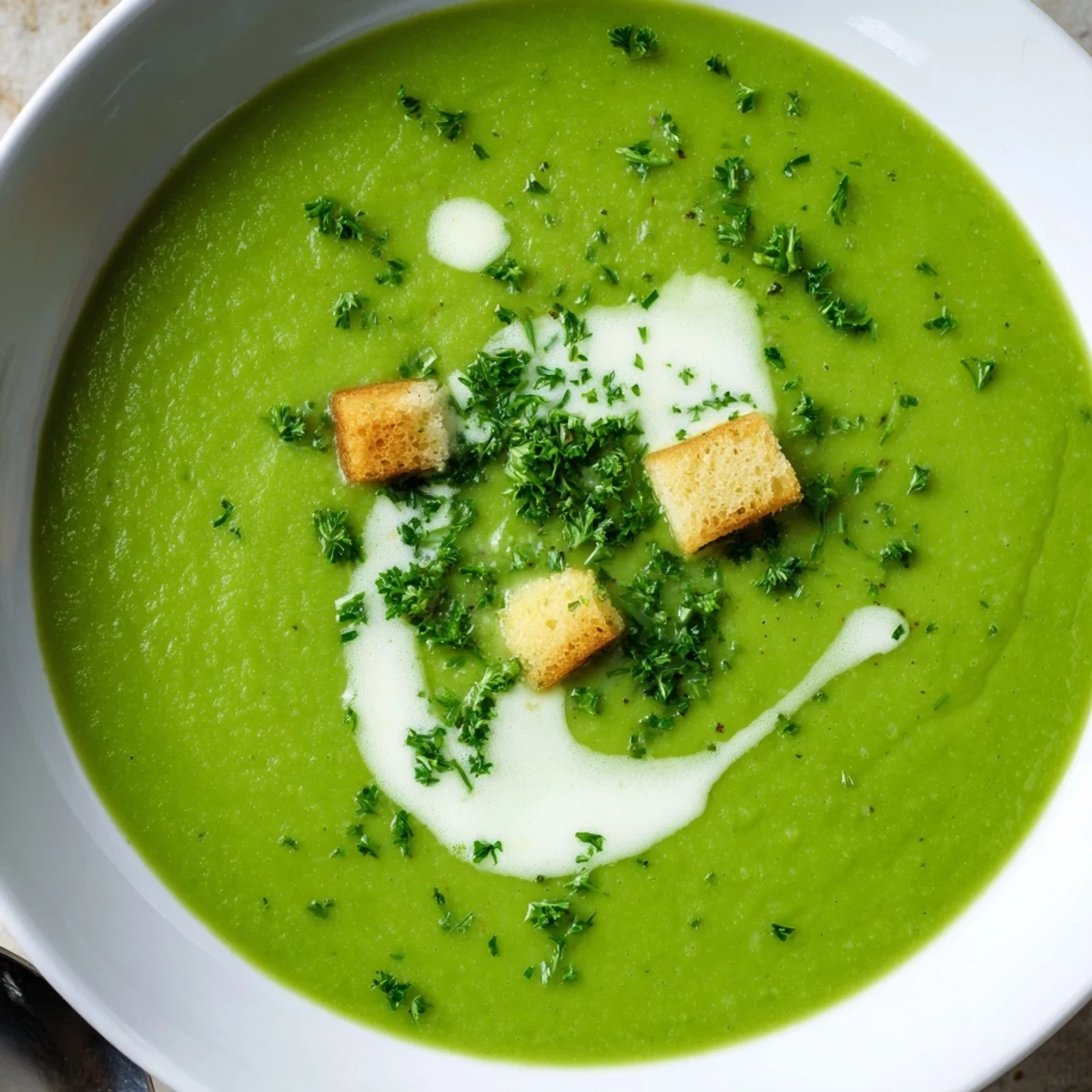
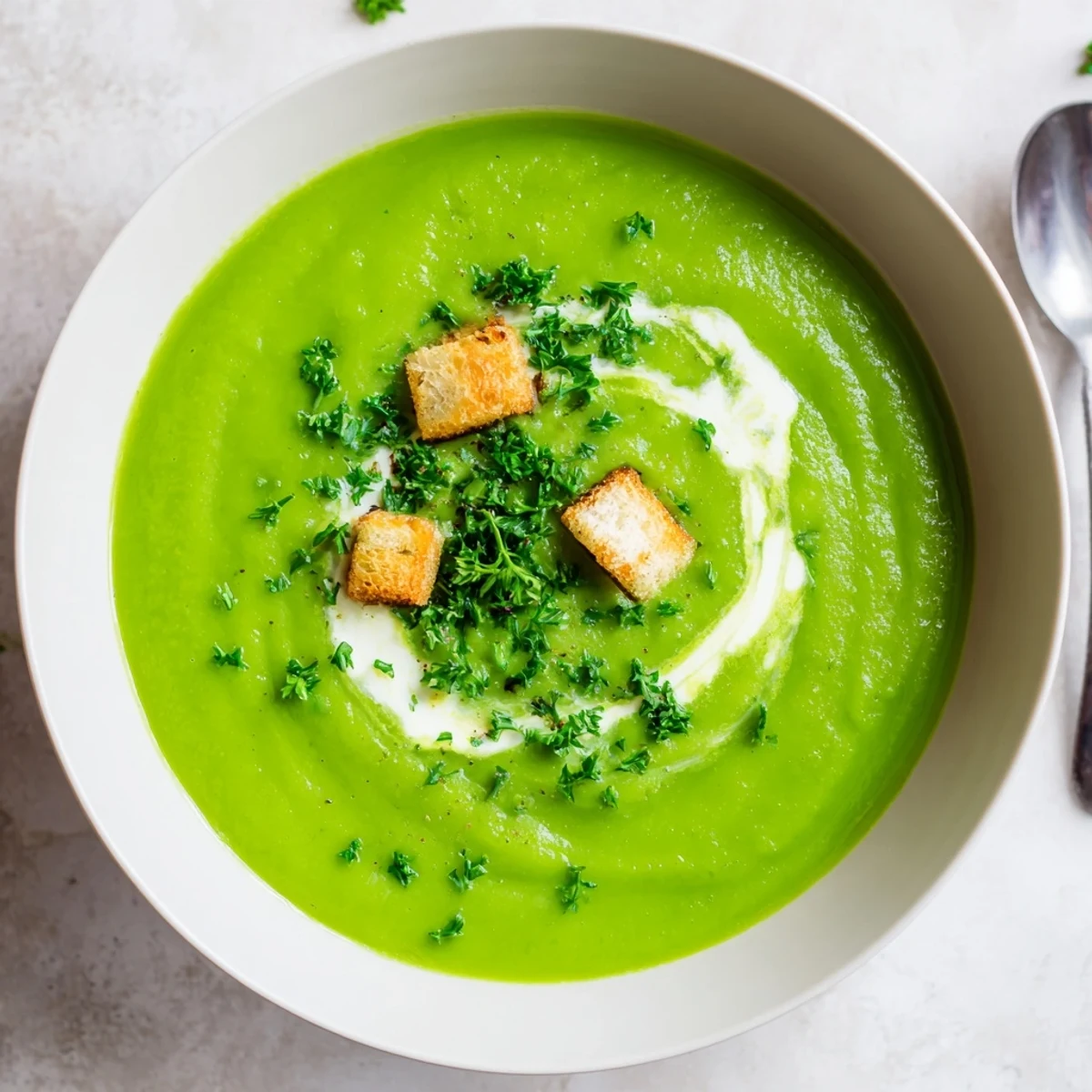
- Ladle into bowls and top each with a generous swirl of creme fraiche and a scatter of extra parsley if you are feeling fancy, serving alongside crusty bread or croutons for dipping.
 Save to feedthepins
 There is something about a bright green bowl of soup that makes a Tuesday evening in February feel survivable.
Ways to Change It Up
A pinch of smoked paprika stirred in at the end gives the whole pot a campfire warmth that is completely unexpected in a pea soup. Fresh mint is another direction entirely, cool and bright, and makes the whole thing taste like spring decided to show up early. Both are worth trying at least once depending on your mood.
Getting the Texture Right
I have made this soup chunky, smooth, and somewhere in between, and the only wrong answer is not blending it enough so you end up with watery broth and whole peas floating around like confused little marbles. Trust the blender and let it run longer than you think it needs. The soup should pour like heavy cream and coat the back of a spoon.
Making It Your Own
This recipe is more of a suggestion than a rule, which is the best kind of recipe. Once you have the basic method down you can play with it endlessly.
- A squeeze of lemon juice at the end wakes everything up if the soup tastes flat.
- Roasted garlic instead of raw gives a deeper, sweeter, almost nutty flavor.
- Always taste and adjust the salt right before serving because the right amount changes every time.
 Save to feedthepins
 Keep leftovers in the fridge for up to three days, though I have never actually had any last that long. This is the kind of soup that quietly disappears from the container every time you open the fridge looking for something else.
Recipe Q&A
- → Can I use frozen peas instead of fresh?
-
Yes. Frozen peas work very well and often give brighter color. Add them straight to the pot during the simmer step; no need to thaw first. Cook until tender before blending.
- → How do I achieve a silky, smooth texture?
-
Blend thoroughly with an immersion or stand blender until fully smooth, then pass through a fine-mesh sieve for extra silkiness. A splash of cream, yogurt or even a knob of butter added after blending also rounds the mouthfeel.
- → How can I make this dairy-free or vegan?
-
Skip the crème fraîche topping or use a plant-based yogurt or creamy alternative. The soup base itself is already vegetable-broth based and naturally vegan when dairy toppings are omitted.
- → What herbs or spices pair well with peas?
-
Fresh parsley and thyme are classic; mint brightens the flavor for a spring-forward profile. For smoky depth try a pinch of smoked paprika. Add delicate herbs at the end to preserve freshness.
- → How should I store and reheat leftovers?
-
Cool to room temperature, refrigerate in an airtight container for 3–4 days, or freeze up to 3 months. Reheat gently on the stove over low heat, stirring occasionally; thin with a splash of broth if too thick.
- → Any tips for serving and garnish ideas?
-
Top bowls with a swirl of crème fraîche or plain yogurt, chopped parsley and crunchy croutons or toasted bread. A drizzle of good olive oil or a few crispy bacon bits (if not vegetarian) adds texture contrast.