
 Save to feedthepins
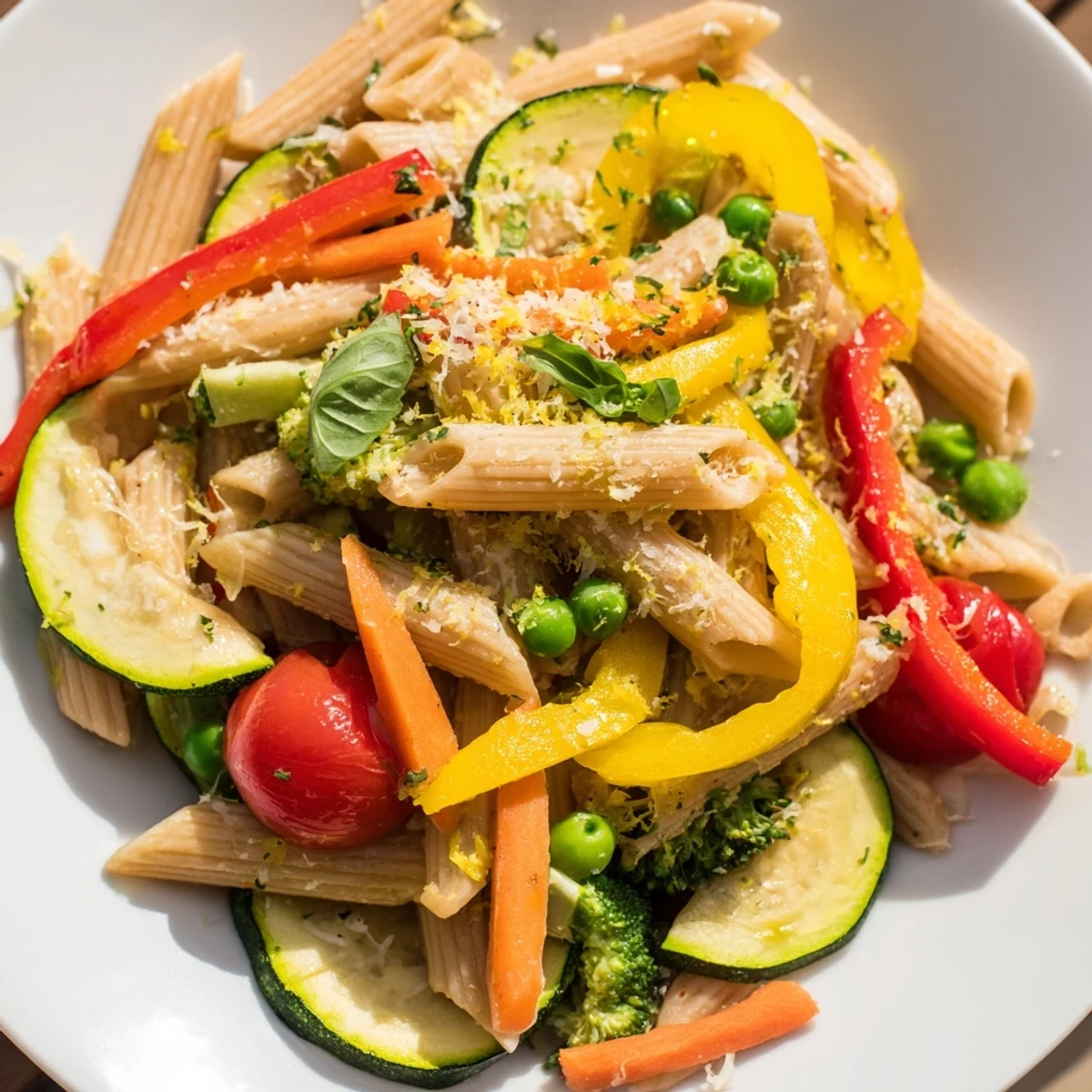
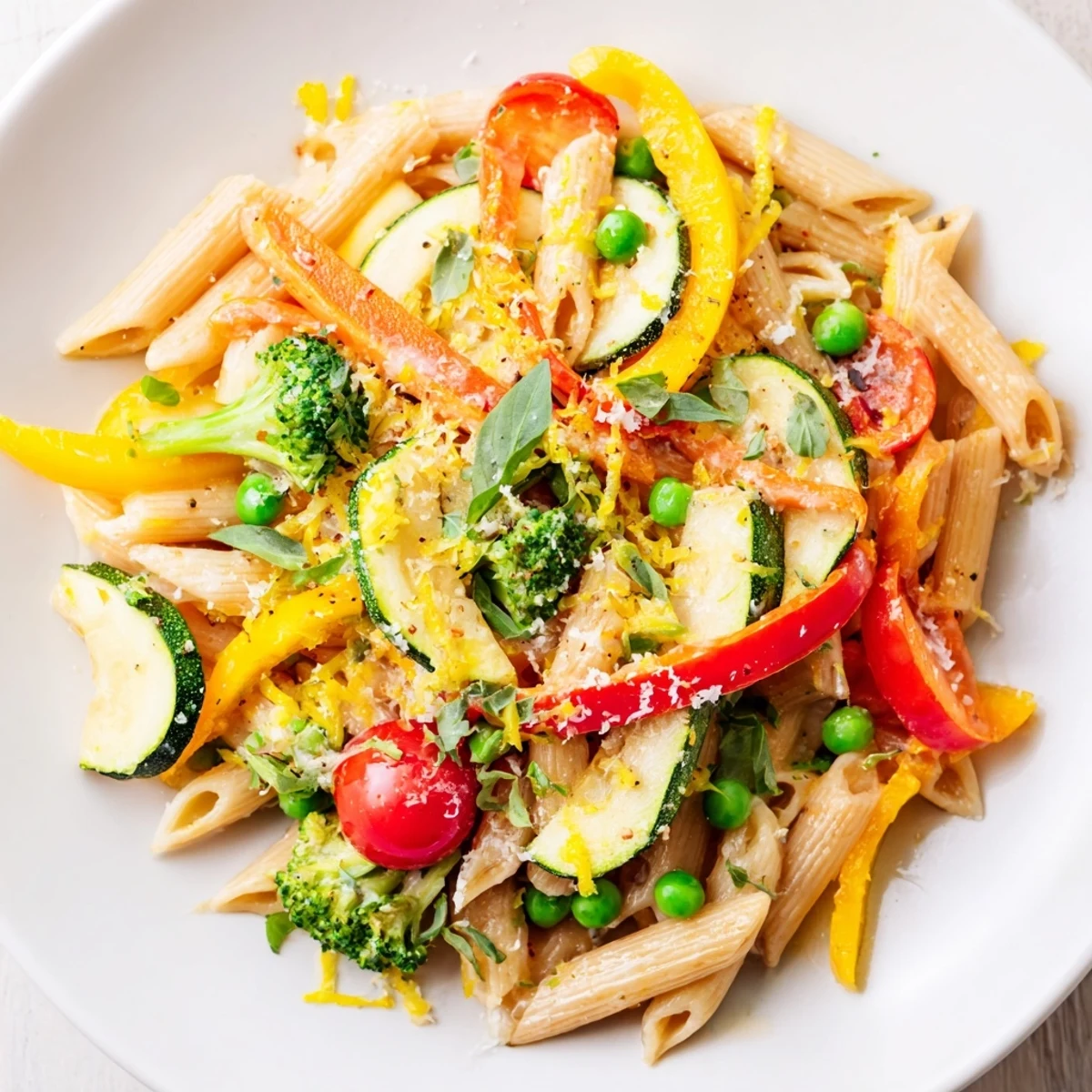
 This vibrant Italian dish brings together al dente pasta and a colorful medley of fresh spring vegetables including zucchini, yellow squash, bell peppers, broccoli, and cherry tomatoes. The vegetables are sautéed to tender-crisp perfection and tossed with pasta in a light sauce featuring extra virgin olive oil, lemon zest, Parmesan cheese, and fresh basil.
The preparation comes together in just 40 minutes, making it perfect for weeknight dinners. The lemon adds brightness while the Parmesan creates a savory finish. You can easily customize with seasonal vegetables or add grilled chicken and shrimp for extra protein.
The first time I made Pasta Primavera, I was trying to use up a CSA box that was threatening to turn into science experiments in my crisper drawer. I ended up throwing in whatever looked vaguely edible, and somehow the chaotic combination became the dish my teenage sister still requests every time she visits. Now I actually plan the vegetable medley instead of panicking at the last minute, though theres still something satisfying about cooking your way through a farmers market haul.
Last spring, I made this for a dinner party where two guests swore they hated zucchini and another claimed to be allergic to bell peppers. I plated it anyway without announcing the ingredients, and watched in fascination as the same people went back for seconds. Theres something about the way the vegetables get blistered and sweet in the olive oil, then tossed with that bright lemon and Parmesan finish, that makes even the most skeptical eaters reconsider their position on vegetables.
Ingredients
- Penne or fusilli pasta (350g/12oz): Choose a shape with ridges or nooks to catch the light sauce, and dont skip the salt in the cooking water
- Small zucchini, sliced into half-moons: Cut them about 1/4 inch thick so they cook through but dont turn to mush
- Small yellow squash, sliced into half-moons: The yellow variety brings a slightly sweeter flavor that balances the zucchinis bitterness
- Red bell pepper, thinly sliced: Red peppers are sweeter than green and add beautiful color contrast against the green vegetables
- Broccoli florets (1 cup): Cut them into bite sized pieces so they cook at the same rate as the other vegetables
- Cherry tomatoes, halved (1 cup): They hold their shape better than large tomatoes and release just enough moisture to help form the sauce
- Frozen peas, thawed (1/2 cup): Flash frozen peas are often sweeter than fresh ones and add little pops of brightness
- Garlic cloves (2), minced: Dont brown it or it will turn bitter, just 30 seconds to release its fragrance
- Small carrot, julienned: The carrot adds natural sweetness and stays slightly crisp for textural contrast
- Extra virgin olive oil (3 tbsp): This is the main fat for the dish, so use one you actually like the taste of
- Grated Parmesan cheese (1/4 cup plus more for serving): Use freshly grated instead of pre shredded, which has anti caking agents that prevent melting
- Fresh basil, chopped (1/4 cup): Add it at the very end to preserve its bright flavor and vibrant green color
- Lemon zest and juice (1 lemon zest, 1/2 lemon juice): Both are essential for cutting through the olive oil and waking up all the vegetable flavors
- Salt and black pepper: Taste and adjust at the end since the Parmesan adds saltiness too
- Red pepper flakes (pinch, optional): Just a whisper of heat keeps things interesting without overwhelming the delicate vegetables
Instructions
- Cook the pasta:
- Bring a large pot of generously salted water to a rolling boil and cook the pasta until its al dente, usually a minute less than the package suggests. Scoop out and reserve 1/2 cup of the starchy cooking water before draining.
- Start the aromatics:
- While the pasta bubbles away, heat the olive oil in your largest skillet over medium heat and toss in the minced garlic, stirring for just 30 seconds until you can smell it but before it starts browning.
- Add the harder vegetables:
- Throw in the carrot, bell pepper, and broccoli first since they need the most time, sautéing them for about 3 minutes while stirring frequently so nothing sticks or burns.
- Softer vegetables join in:
- Add the zucchini, yellow squash, and peas, cooking everything together for another 4 to 5 minutes until the vegetables are tender but still have some bite to them.
- Brighten everything up:
- Stir in the cherry tomatoes, lemon zest, and lemon juice, cooking for just 2 more minutes until the tomatoes start to soften and release their juices.
- Bring it all together:
- Dump the cooked pasta right into the vegetable skillet, tossing everything together and adding splashes of that reserved pasta water until you have a glossy, light sauce coating each piece.
- Finish with flourish:
- Remove the skillet from heat completely, then stir in the Parmesan and basil, seasoning with salt, pepper, and red pepper flakes until it tastes perfect to you.
- Serve it up:
- Plate immediately while the pasta is still hot and the vegetables are vibrant, passing extra Parmesan at the table for everyone to add their own finishing touches.
 Save to feedthepins
 This recipe became my go to for those exhausting weeknights when I want something that feels like a treat but doesnt require three hours of active cooking time. Theres a particular kind of satisfaction in watching a heap of raw vegetables transform into something so vibrant and alive, especially when you realize the whole thing came together in less time than it takes to order delivery.
Making It Your Own
Think of this as a template rather than a strict recipe, especially when it comes to the vegetables. Ive made versions with asparagus and snap peas in spring, roasted butternut squash and kale in fall, and even corn and zucchini in late summer. The key is keeping a mix of colors and textures, adding the sturdier vegetables first and anything delicate at the very end so everything finishes at the same time.
Choosing the Right Pasta
The pasta shape matters more than you might think because each piece needs to hold onto that light, vegetable studded sauce. Short shapes with ridges or hollow centers work best here, catching the juices and little vegetable pieces in every bite. I lean toward fusilli for its tight coils that really grip the sauce, but penne, rigatoni, or even farfalle will all do the job beautifully.
Timing Is Everything
The real secret to this dish is getting all the components ready before you start cooking, because once the vegetables hit the pan, everything moves quickly. I prep all my vegetables while the pasta water comes to a boil, then work efficiently through the vegetable additions so nothing overcooks while Im distracted with another task.
- Start the pasta water before anything else, since it always takes longer than you think
- Have all vegetables cut and measured before you turn on the stove
- Keep the reserved pasta water within arms reach so you dont have to step away while tossing
 Save to feedthepins
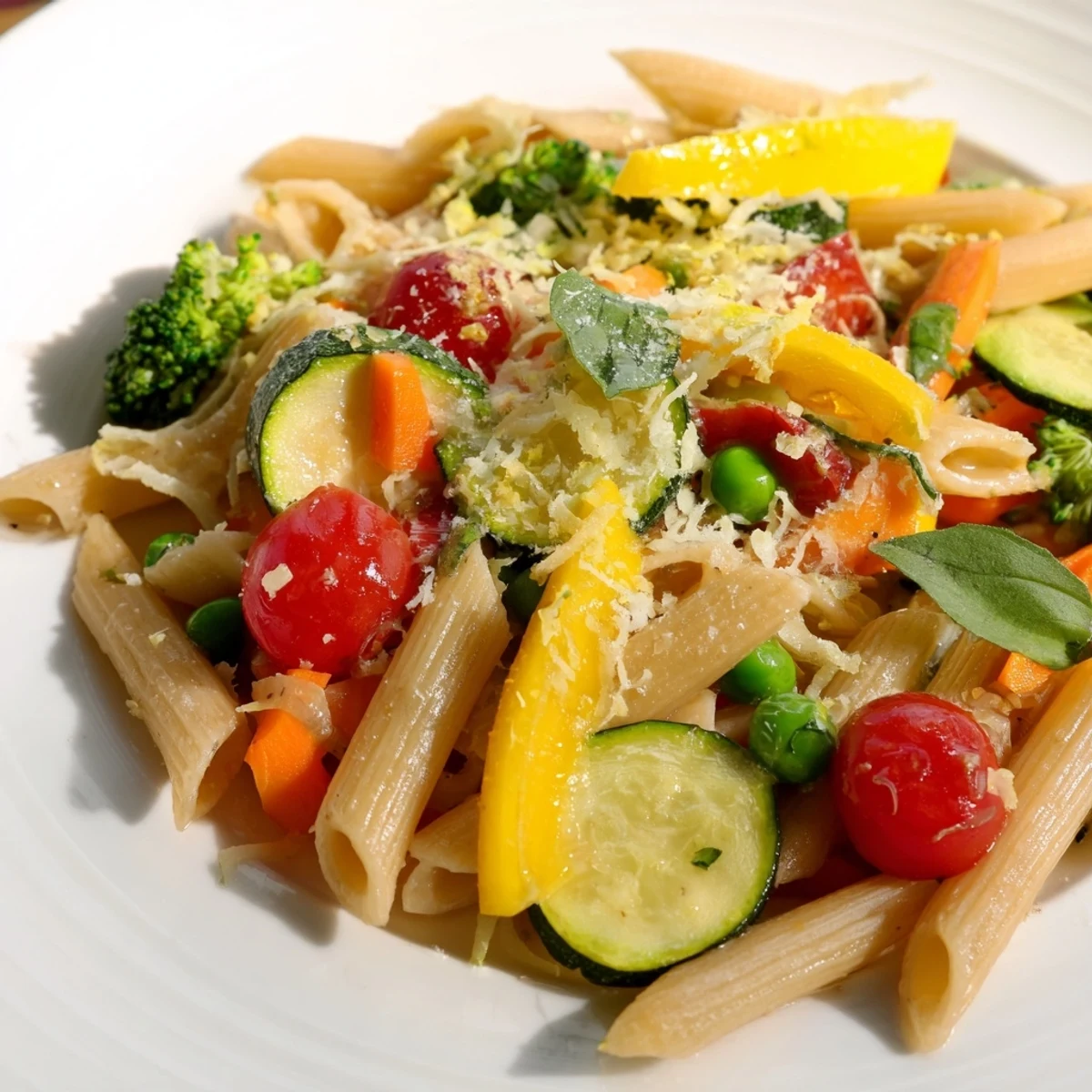
 Theres something deeply comforting about a bowl of pasta that doesnt weigh you down, full of vegetables that actually taste like vegetables instead of an afterthought. I hope this finds its way into your regular rotation, adaptable and reliable whenever you need something vibrant and satisfying on the table.
Recipe Q&A
- → What vegetables work best in pasta primavera?
-
Spring vegetables like zucchini, yellow squash, bell peppers, broccoli, and cherry tomatoes work beautifully. Feel free to substitute with whatever looks fresh at the market—asparagus, snap peas, or green beans make excellent additions.
- → How do I keep vegetables crisp-tender?
-
Sauté vegetables in stages, starting with firmer ones like carrots and broccoli first. Add softer vegetables like zucchini and tomatoes later. Cook just until tender but still vibrant, about 4-5 minutes total.
- → Can I make this dish ahead of time?
-
It's best enjoyed immediately while the pasta and vegetables retain their texture. If reheating, add a splash of water or olive oil to revive the sauce. The vegetables can be prepped ahead to speed up cooking.
- → What pasta shapes work well?
-
Penne and fusilli are excellent choices as their ridges and curves hold the light sauce beautifully. Farfalle, rotini, or gemelli would also work. Short pasta with texture pairs better than long strands like spaghetti.
- → How can I add more protein?
-
Grilled chicken, sautéed shrimp, or white beans make excellent protein additions. Simply cook your protein separately and toss it in during the final step with the pasta and vegetables.
- → Is this suitable for special diets?
-
This dish is naturally vegetarian. For gluten-free needs, use certified gluten-free pasta. To make it dairy-free, omit the Parmesan or substitute with nutritional yeast or a plant-based cheese alternative.