
 Save to feedthepins
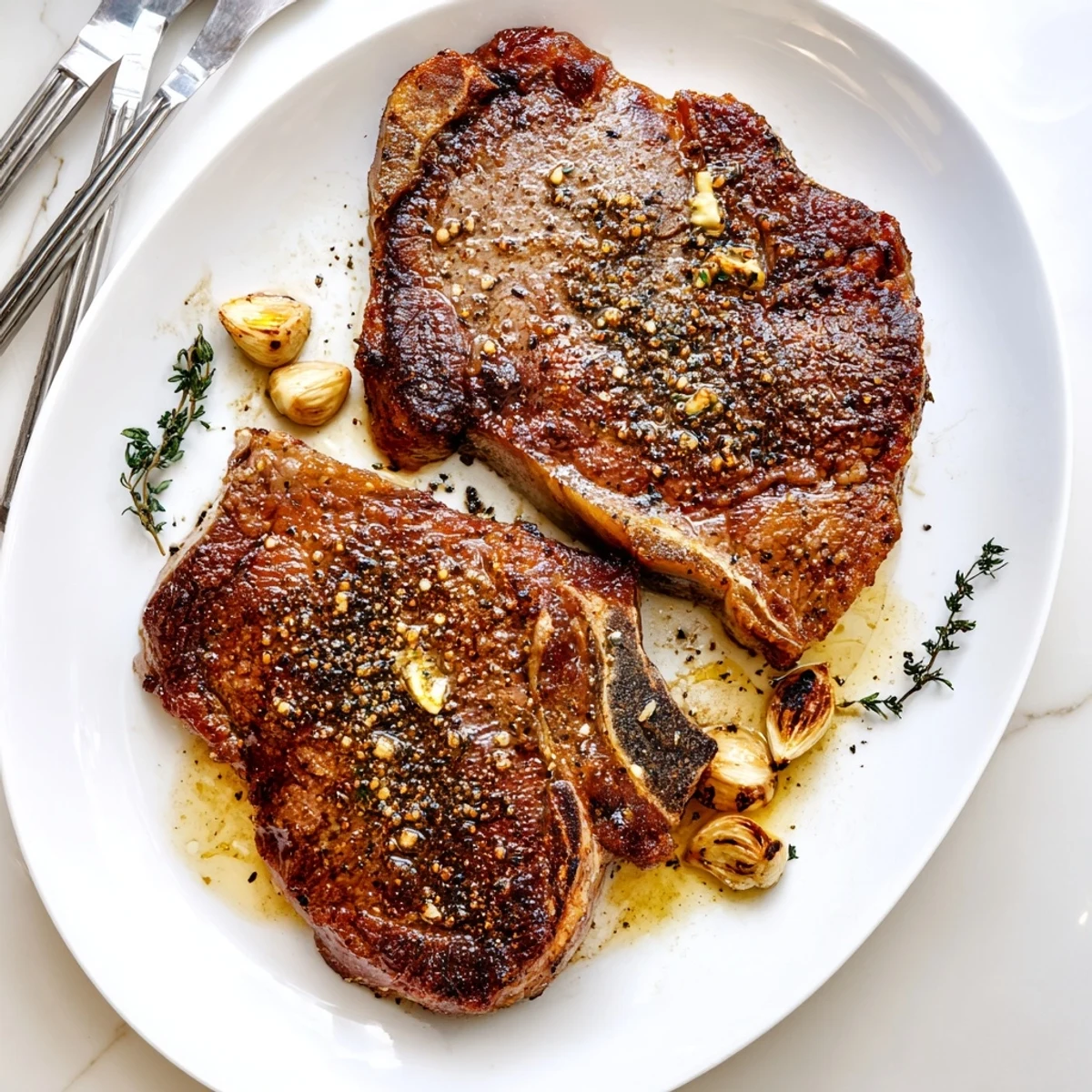
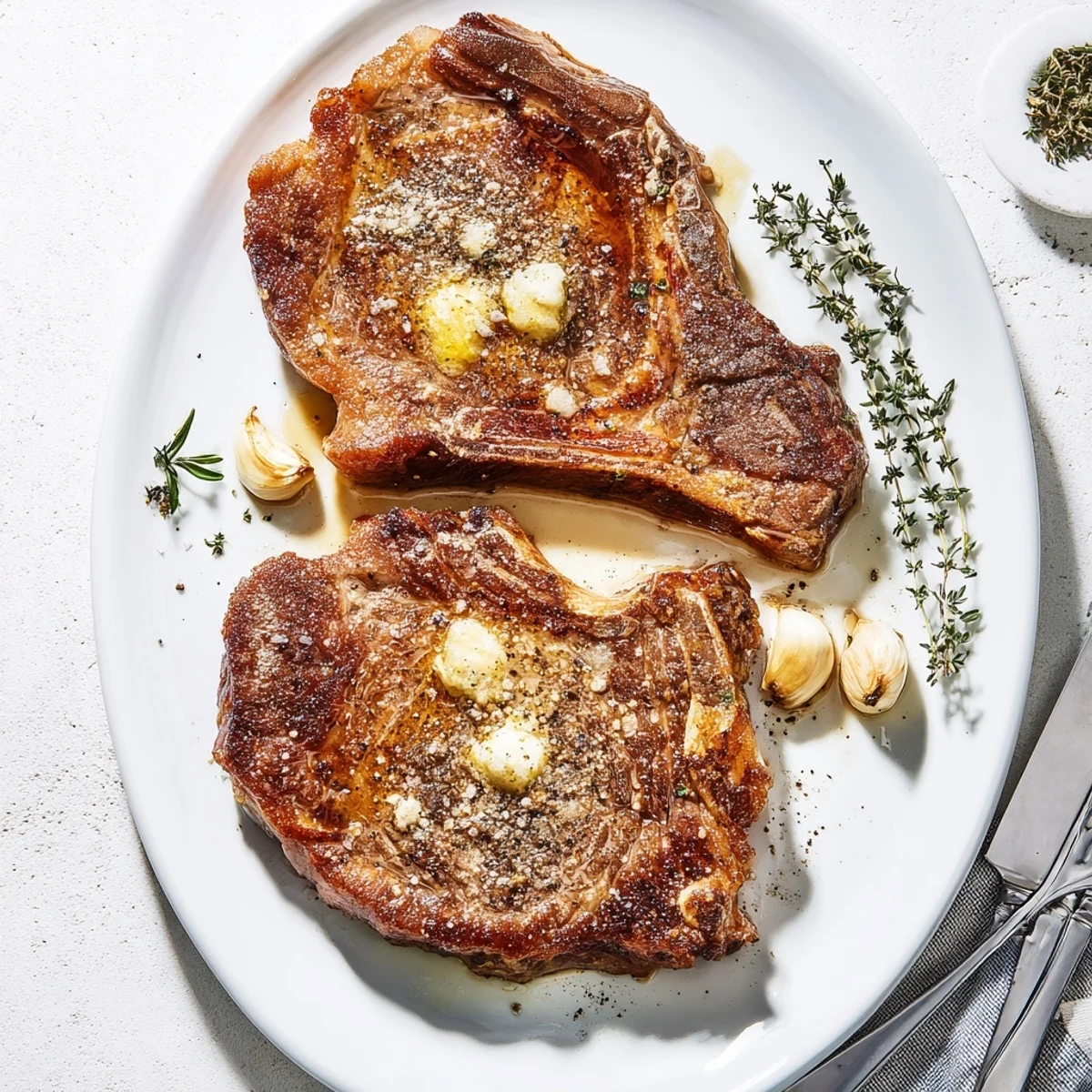
 Achieve restaurant-quality results at home with this straightforward method for cooking ribeye steaks. The key is starting with room temperature meat, getting your cast-iron skillet ripping hot, and mastering the flip-and-baste technique with aromatic butter. Finished with fresh garlic, thyme, and rosemary, each steak develops a beautiful caramelized exterior while staying tender and pink inside. Letting the meat rest before serving ensures maximum juiciness.
My uncle taught me how to cook steak during a summer I spent housesitting for him. He swore the secret was patience and a screaming hot pan. The first steak I made alone was slightly overdone, but the crust was perfect. I have been tweaking this method ever since.
I made these for a date once and panicked when the smoke alarm went off from the high heat. We ended up eating on the balcony with the windows open, laughing about my dramatic cooking style. The steaks were worth the commotion.
Ingredients
- Ribeye Steaks: The marbling in ribeye makes it naturally forgiving and incredibly flavorful
- Kosher Salt: Use coarse salt and season generously, it creates the best crust
- High-Heat Oil: Avocado or grapeseed oil can handle the high temperature without burning
- Unsalted Butter: This is what transforms the dish during basting, infusing the steak with rich flavor
- Fresh Herbs: Thyme and rosemary release their oils into the butter as it sizzles
- Garlic: Smashed cloves mellow in the hot butter and add subtle depth
Instructions
- Bring the Steaks to Room Temperature:
- Take the steaks out of the fridge thirty minutes before cooking and pat them completely dry with paper towels
- Season Generously:
- Press the salt and pepper into both sides of the meat, coating it thoroughly
- Heat the Pan Until Smoking:
- Set your cast-iron skillet over high heat until it is very hot, then add the oil and swirl it around
- Sear the First Side:
- Lay the steaks in the pan and do not touch them for two to three minutes until a deep golden crust forms
- Flip and Add Aromatics:
- Turn the steaks over and toss in the butter, garlic, thyme, and rosemary
- Baste Until Done:
- Tilt the pan and spoon the melting butter over the steaks continuously for two to three more minutes
- Rest Before Serving:
- Move the steaks to a cutting board and let them sit for five minutes so the juices redistribute
 Save to feedthepins
 My dad still talks about the steaks I made him for his birthday. He cut into his and immediately asked why restaurant steaks never tasted this good. That compliment meant everything.
Getting the Perfect Doneness
I learned the hard way that carryover cooking is real. Pull your steaks a few degrees early because they keep cooking while they rest. Medium-rare hits that sweet spot for most people, but cook to your preference.
Choosing the Right Pan
Cast iron really does work best here. It holds heat evenly and creates the kind of sear that other pans just cannot match. If you only have stainless steel, it will work but the crust may not be quite as dramatic.
What to Serve With Your Steak
Keep the sides simple so the steak stays the star. Roasted potatoes soak up the extra juices beautifully. A crisp salad with a bright vinaigrette cuts through the richness.
- Season the steaks right before they hit the pan for the best crust
- Warm your serving plates in the oven while the meat rests
- Slice against the grain if you decide to cut before serving
 Save to feedthepins
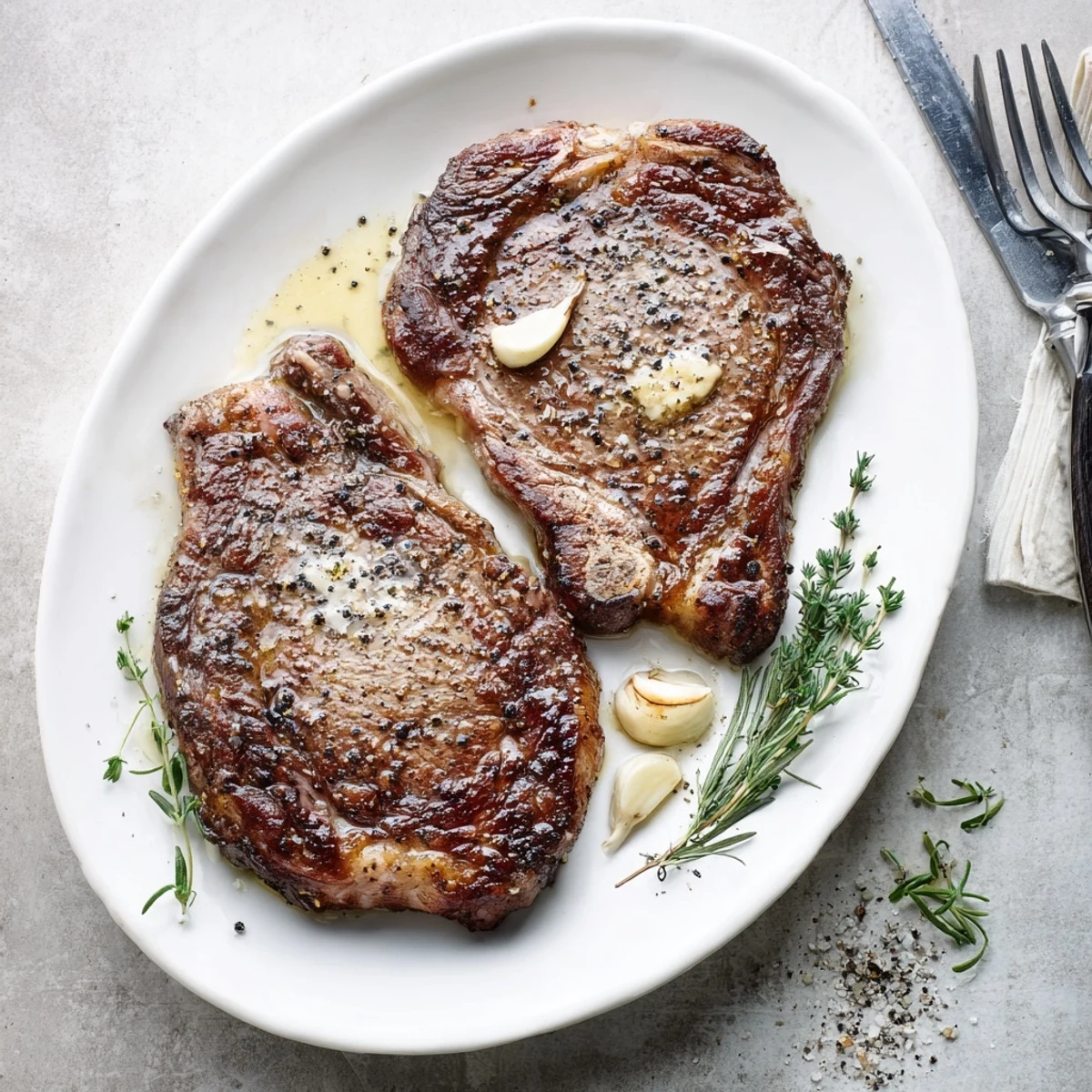
 There is something deeply satisfying about cooking a steak perfectly at home. It feels like a small victory every single time.
Recipe Q&A
- → How long should I let the steak rest before cooking?
-
Remove steaks from the refrigerator 30 minutes before cooking to bring them to room temperature. This ensures even cooking throughout the meat.
- → What's the best way to tell when the steak is done?
-
Use a meat thermometer for accuracy: 125°F for rare, 135°F for medium-rare, and 145°F for medium. Alternatively, touch test—firm meat equals more doneness.
- → Can I use a different type of steak?
-
Yes, this method works well for New York strip, filet mignon, or other thick cuts. Adjust cooking time based on steak thickness.
- → Why do I need to baste with butter?
-
Basting with melted butter infused with garlic and herbs adds rich flavor and helps create a beautiful caramelized crust while keeping the meat moist.
- → What if I don't have a cast-iron skillet?
-
A heavy stainless steel skillet works well too. The key is using a pan that gets very hot and retains heat for proper searing.
- → Should I trim the fat cap before cooking?
-
Keep the fat cap intact—it renders during cooking and adds incredible flavor and moisture to the steak.