
 Save to feedthepins
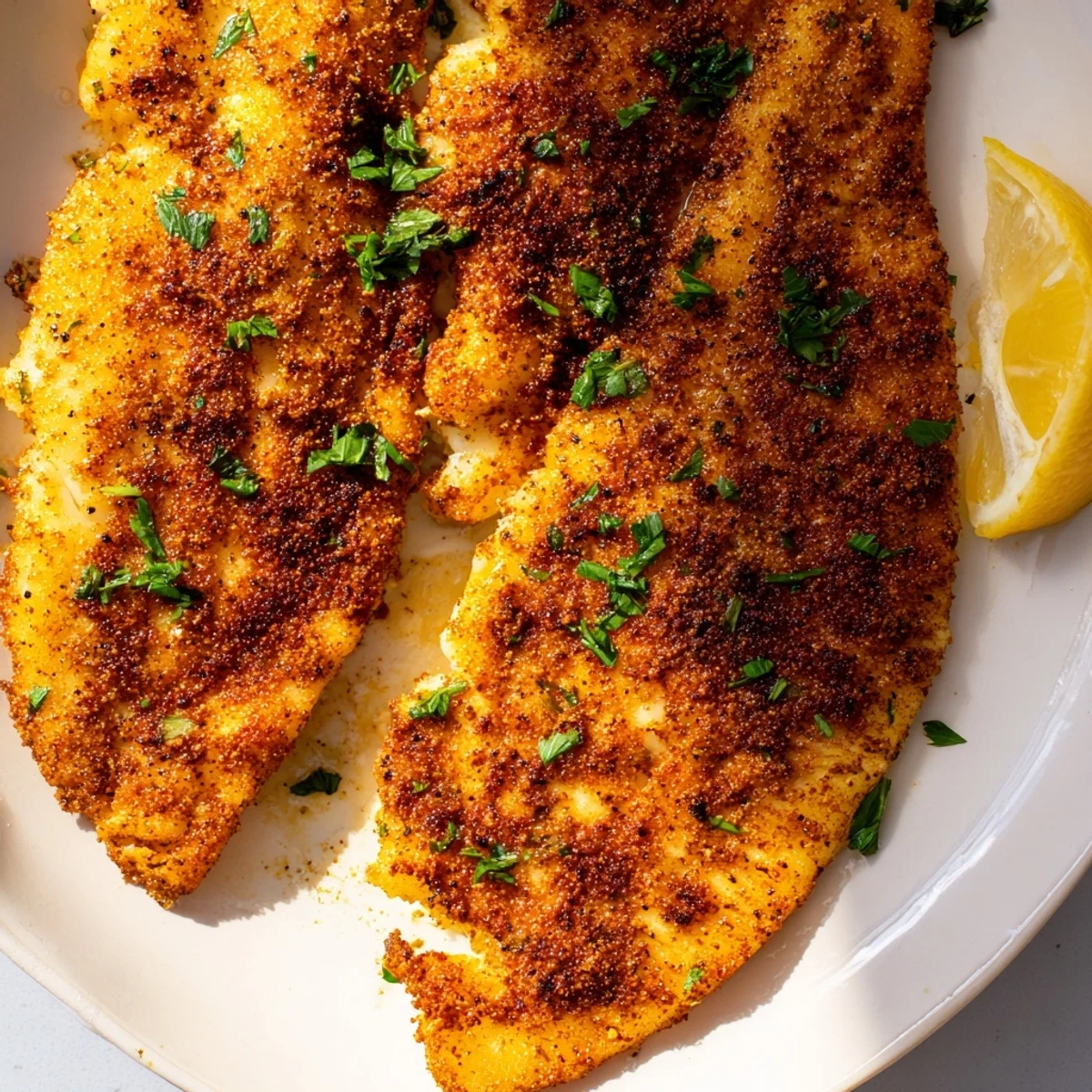
 This pan fried tilapia delivers perfectly golden, crispy fillets in just 20 minutes from start to finish. Each fillet is seasoned with a simple blend of salt, pepper, paprika, and garlic powder, then lightly dredged in flour before being seared in a combination of olive oil and butter.
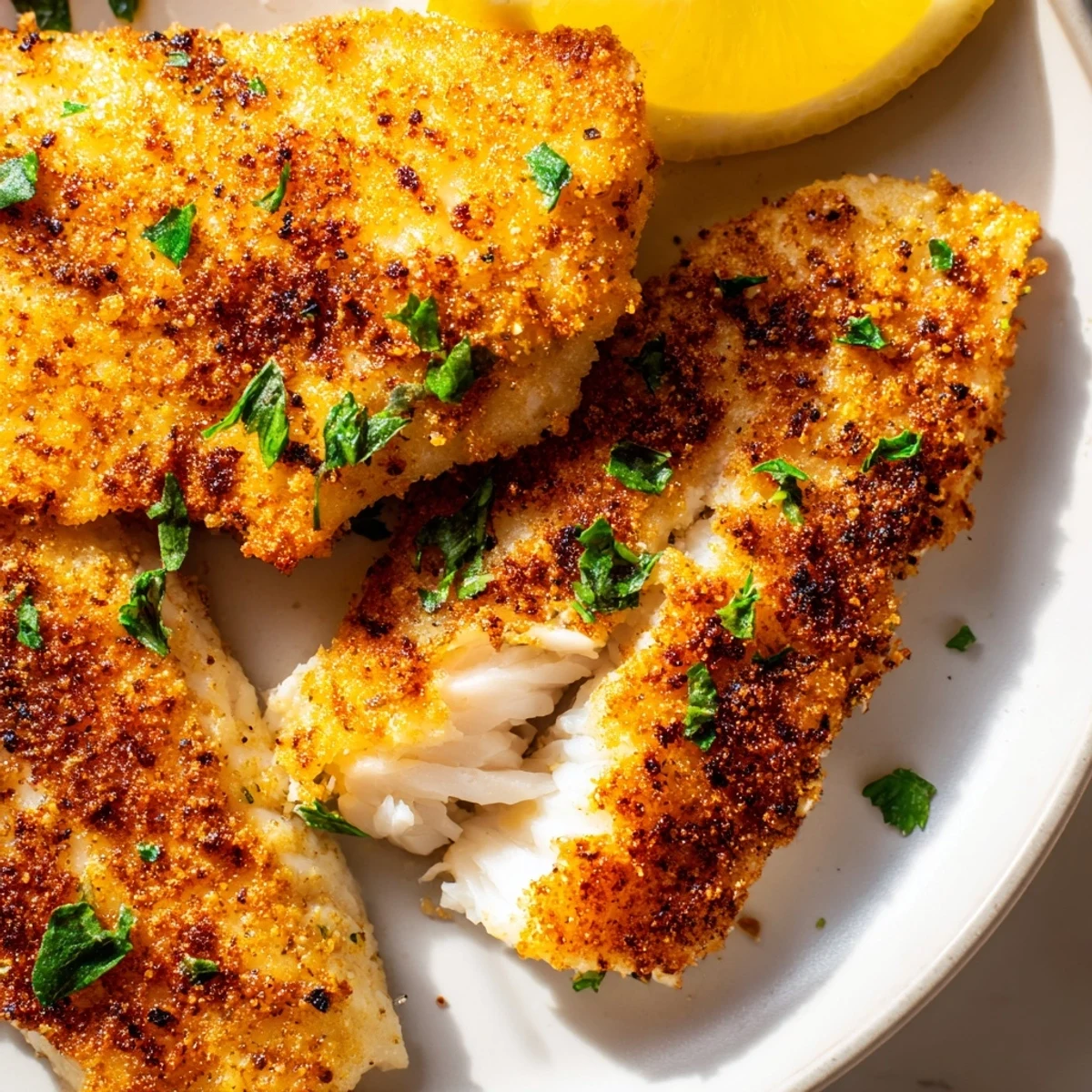
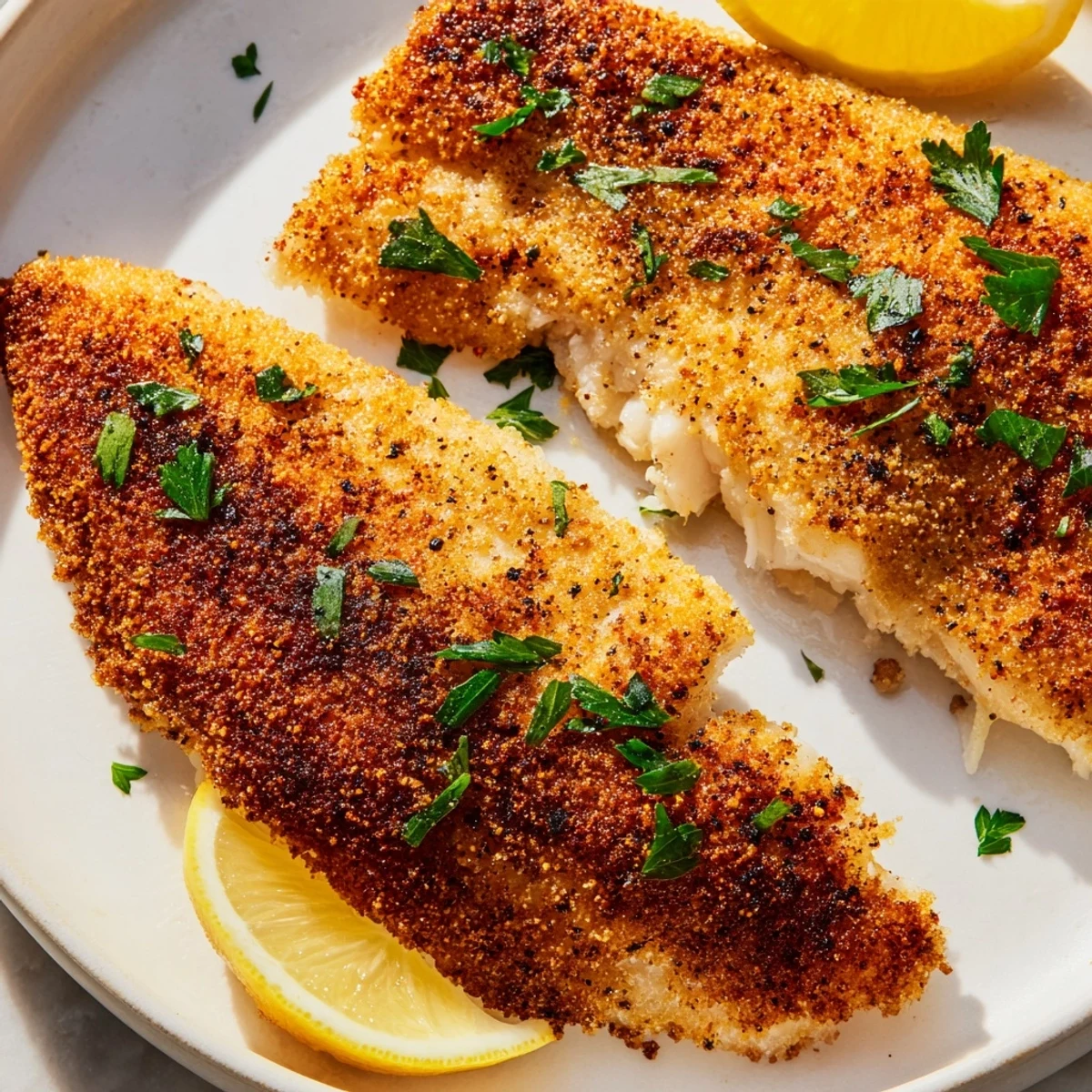
The result is a light yet flavorful dish with a satisfying crunch on the outside and tender, flaky fish on the inside. It's naturally gluten-free when using GF flour and fits perfectly into low-carb eating plans.
Serve these fillets alongside steamed vegetables, a fresh salad, or rice for a complete meal that's easy enough for busy weeknights yet impressive enough for guests.
The skillet was still too hot when I laid down the first fillet and the butter browned in seconds, filling the kitchen with that sharp nutty smell that meant I had to start over. That mistake taught me everything about pan fried tilapia, a dish so simple it punishes rushing. Now it is my Tuesday night reliable, the thing I cook when the fridge is bare but I still want something that feels intentional.
My neighbor Dave appeared at the door one evening holding a bottle of Sauvignon Blanc right as I was pulling the last fillet from the pan. We stood in the kitchen eating off paper plates with lemon juice running down our wrists, and he said it was better than the fish place downtown. I did not argue.
Ingredients
- Tilapia fillets (4, about 150g each): Look for fillets that are similar in thickness so they cook evenly, and buy them fresh if you can because frozen ones release too much water.
- Salt (1 teaspoon): Seasoning both sides generously is the difference between bland fish and something you actually crave.
- Ground black pepper (half teaspoon): Freshly cracked always hits harder than pre ground.
- Paprika (half teaspoon, optional): Adds a subtle warmth and gives the crust a warmer golden color.
- Garlic powder (half teaspoon): Blends into the flour coating and seasons from the inside out without burning like fresh garlic would.
- Gluten free flour or all purpose flour (quarter cup): You need just a whisper of flour, not a heavy batter, so shake off every extra bit.
- Olive oil (2 tablespoons): Handles the high heat beautifully and keeps the butter from burning.
- Unsalted butter (1 tablespoon): This is where the flavor lives, that browned butter taste that makes people ask what you did to the fish.
- Fresh parsley, chopped (2 tablespoons): Scatter it on at the very end so it stays bright and fresh.
- Lemon, cut into wedges (1): A squeeze right before eating wakes up every single flavor on the plate.
Instructions
- Dry and season the fish:
- Grab paper towels and press them firmly against both sides of each fillet until no moisture remains, then sprinkle salt, pepper, paprika, and garlic powder over every surface like you mean it.
- Give it a light dusting:
- Spread flour on a shallow plate and lay each fillet in it gently, flipping once and tapping off any flour that clumps because those patches turn gummy in the pan.
- Get the pan screaming hot:
- Set a large non stick skillet over medium high heat and add the olive oil and butter, waiting until the butter stops bubbling and you can smell it turn fragrant.
- Cook until golden:
- Lay the fillets in carefully without crowding the pan and let them sit undisturbed for three to four minutes until the edges turn deeply golden, then flip once and cook another three minutes until the fish flakes when you press it gently with a fork.
- Rest and drain:
- Transfer the fillets to a plate lined with fresh paper towels so any excess oil gets absorbed instead of making the crust soggy.
- Finish and serve:
- Scatter chopped parsley over the top while the fish is still hot so the herb oils release, then hand everyone a lemon wedge and tell them to squeeze generously.
 Save to feedthepins
 There was a night my daughter set the table with cloth napkins and a candle for tilapia and steamed broccoli, treating it like a restaurant dinner. She was seven and entirely serious about it.
Choosing the Right Skillet
Non stick is your friend here because the flour coating wants to stick to everything. A well seasoned cast iron works too but you need confidence and a good spatula. Whatever you use, make sure it is wide enough to hold two fillets without them touching because personal space matters even for fish.
What to Serve Alongside
Steamed green beans with a little lemon zest, a pile of jasmine rice, or a simple arugula salad dressed with olive oil and salt all work. The fish is rich enough from the butter that your sides should stay clean and bright. A glass of Sauvignon Blanc beside the plate turns a Tuesday into something worth remembering.
Swaps and Adjustments
Cod and sole both step in beautifully if tilapia is not available, though cooking times may shift by a minute depending on thickness. For heat, a pinch of cayenne in the seasoning blend changes the whole mood of the dish in a good way. If dairy is a concern, skip the butter entirely and add another tablespoon of olive oil.
- Always check frozen fillet labels for added sodium or preservatives.
- Let the fish sit at room temperature for ten minutes before cooking so it cooks evenly.
- Leftovers keep for one day but the crust will soften, so eat it fresh if you can.
 Save to feedthepins
 Some dinners are about impressing people and some are about feeding them well with almost nothing. This tilapia is the second kind, and honestly it usually ends up being both.
Recipe Q&A
- → How do I know when tilapia is fully cooked?
-
Tilapia is done when it turns opaque throughout and flakes easily when tested with a fork. The internal temperature should reach 145°F (63°C). Typically, this takes about 3-4 minutes per side over medium-high heat in a skillet.
- → Can I use frozen tilapia fillets?
-
Yes, but thaw them completely first for the best results. Pat the fillets very dry with paper towels before seasoning and dredging. Excess moisture prevents a crispy golden crust from forming during pan frying.
- → What's the best flour substitute for gluten-free needs?
-
Almond flour, coconut flour, or a dedicated gluten-free all-purpose blend all work well for dredging tilapia. Cornmeal is another great option that adds a pleasant crunch. Each will give a slightly different texture to the crust.
- → Why use both olive oil and butter?
-
Olive oil has a higher smoke point and prevents the butter from burning, while butter adds rich flavor and helps achieve that beautiful golden-brown color on the fillets. Together they create the ideal pan-frying medium for delicate fish.
- → What sides pair best with pan fried tilapia?
-
Light, fresh sides complement tilapia beautifully. Try steamed asparagus, roasted broccoli, a mixed green salad with vinaigrette, lemon-herb rice, or roasted potatoes. A crisp white wine like Sauvignon Blanc makes an excellent pairing.
- → Can I substitute tilapia with other white fish?
-
Absolutely. Cod, sole, flounder, or catfish all work well with this same cooking method. Adjust cooking time slightly based on fillet thickness — thicker cuts may need an extra minute per side, while thinner fillets will cook faster.