
 Save to feedthepins
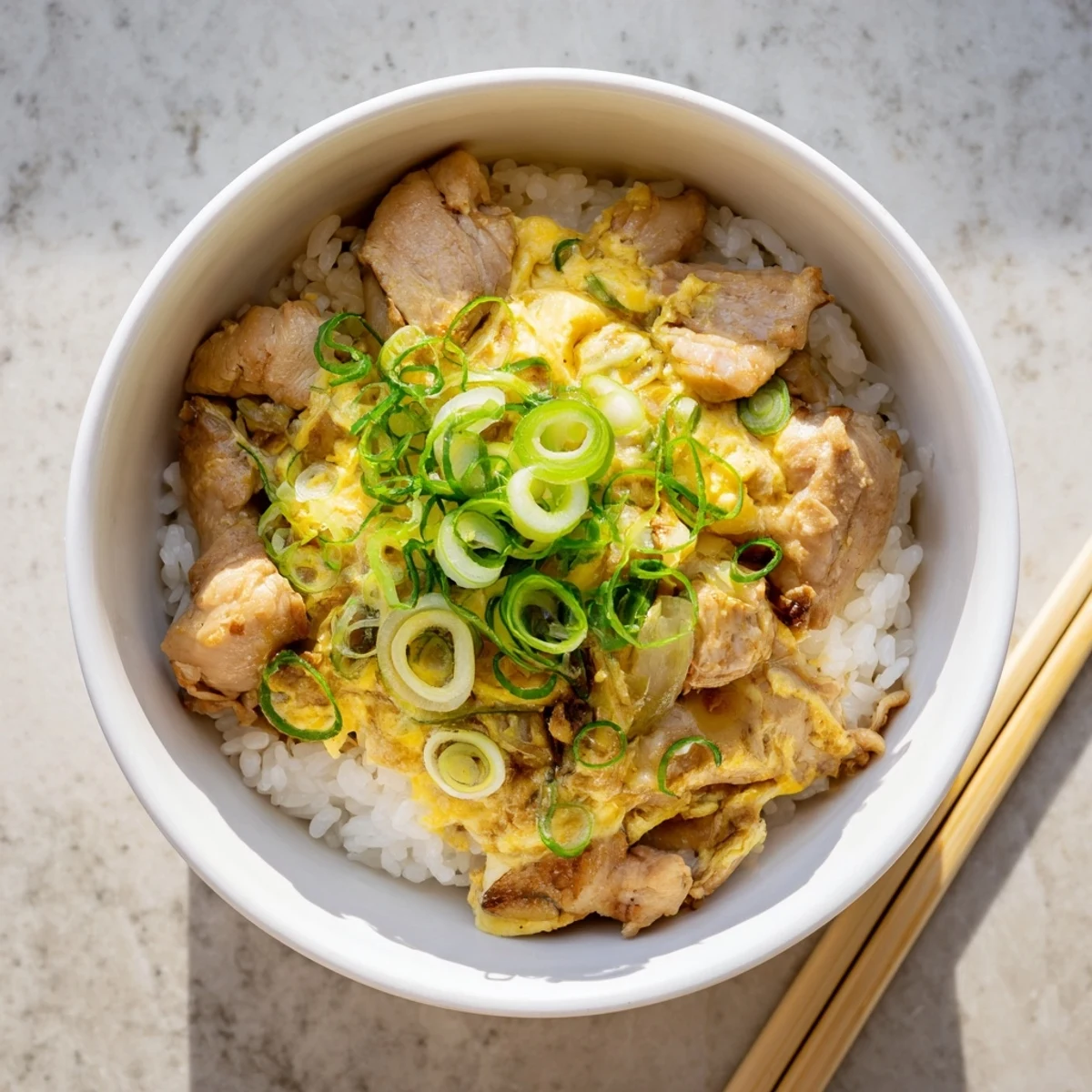
 Oyakodon brings together tender chicken thighs and sweet onions simmered in a traditional dashi-based sauce, gently finished with barely-set eggs that cascade over steaming hot rice. This beloved Japanese comfort dish balances savory soy sauce, sweet mirin, and aromatic sake into a harmonious bowl that's ready in just 30 minutes.
The technique lies in perfectly timing the eggs—pouring them over the simmered chicken and covering briefly until just set but still creamy. Serve immediately in deep bowls to let the residual heat gently cook the eggs further while enjoying the contrast between the fluffy, barely-scrambled eggs and the tender, sauce-soaked chicken. Garnish with fresh spring onions and optional shichimi togarashi for extra warmth.
The first time I had Oyakodon at a tiny Tokyo restaurant, I watched in awe as the chef created this elegant one-pan meal in minutes. The steam rising from the bowl carried the perfect balance of sweet and savory, and I knew I had to recreate that comfort at home.
My roommate walked in while I was making this last winter and immediately asked what smelled so incredible. Now its our go-to comfort meal whenever life feels overwhelming or we just need something warm and nourishing.
Ingredients
- Chicken thighs: These stay tender and juicy during simmering, unlike breast meat which can dry out
- Onion: Thinly sliced so they become sweet and silky as they cook down in the sauce
- Eggs: Beaten just until combined, overbeating makes them tough and less fluffy
- Dashi stock: The foundation of that authentic Japanese umami flavor, though chicken broth works too
- Soy sauce: Provides the deep salty base and rich color
- Mirin and sake: These create that characteristic Japanese sweet balanced flavor profile
- Sugar: Just enough to round out the saltiness and create caramelization
- Japanese short-grain rice: Essential for the right texture and ability to soak up the sauce
- Spring onions: Fresh finish that cuts through the richness
Instructions
- Make the sauce base:
- Whisk together dashi, soy sauce, mirin, sake, and sugar until fully dissolved
- Soften the aromatics:
- Simmer the sliced onion in the sauce until translucent and sweet
- Cook the chicken:
- Add the chicken pieces and let them simmer covered until just cooked through
- Add the eggs:
- Pour the beaten eggs evenly over everything and cover until just set
- Assemble and serve:
- Slide the mixture over hot rice and top with fresh spring onions
 Save to feedthepins
 This dish has become a silent love language in our house. Whenever someone needs cheering up, a steaming bowl appears on the table without a word needing to be said.
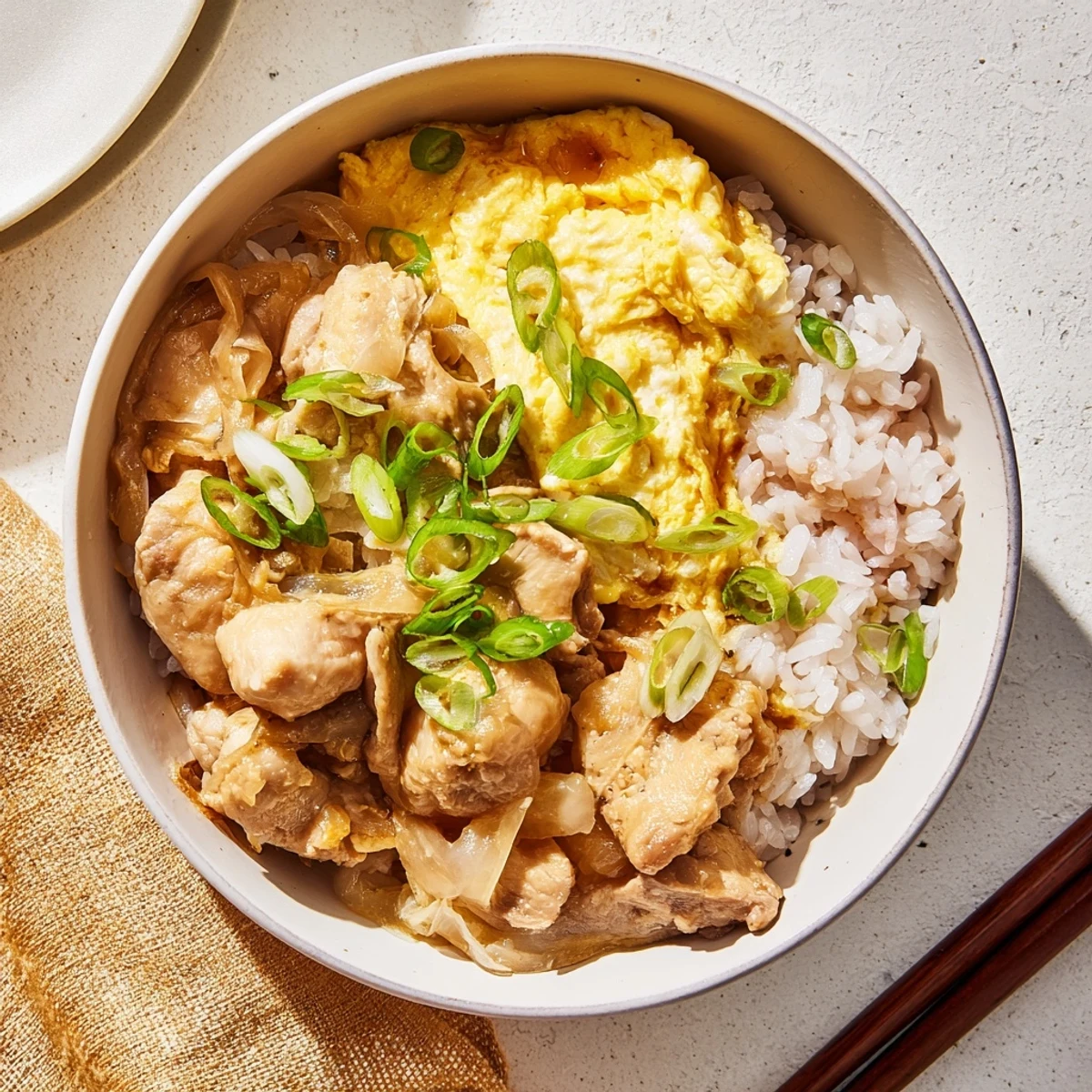
Getting The Egg Texture Right
The magic lies in that barely set stage where the eggs are creamy but not raw. I learned this timing through many slightly overcooked attempts, but now I can tell by looking at the steam curling up from the pan.
Making It Your Own
Sometimes I add shiitake mushrooms when I want extra earthiness, or spinach when I need more greens. The sauce is forgiving enough to handle these additions without losing its soul.
Serving Suggestions
Miso soup and a simple cucumber salad make perfect companions, but honestly this dish shines on its own. Keep extra sauce handy in case someone wants more of that liquid gold over their rice.
- Have all ingredients prepped before you start, the cooking goes fast
- Use individual bowls if serving company for that authentic donburi experience
- A sprinkle of shichimi togarashi adds wonderful heat and complexity
 Save to feedthepins
 Theres something deeply satisfying about a dish that comes together so simply yet tastes so complex. This recipe proves that comfort food doesnt need to be complicated to be unforgettable.
Recipe Q&A
- → What does oyakodon mean?
-
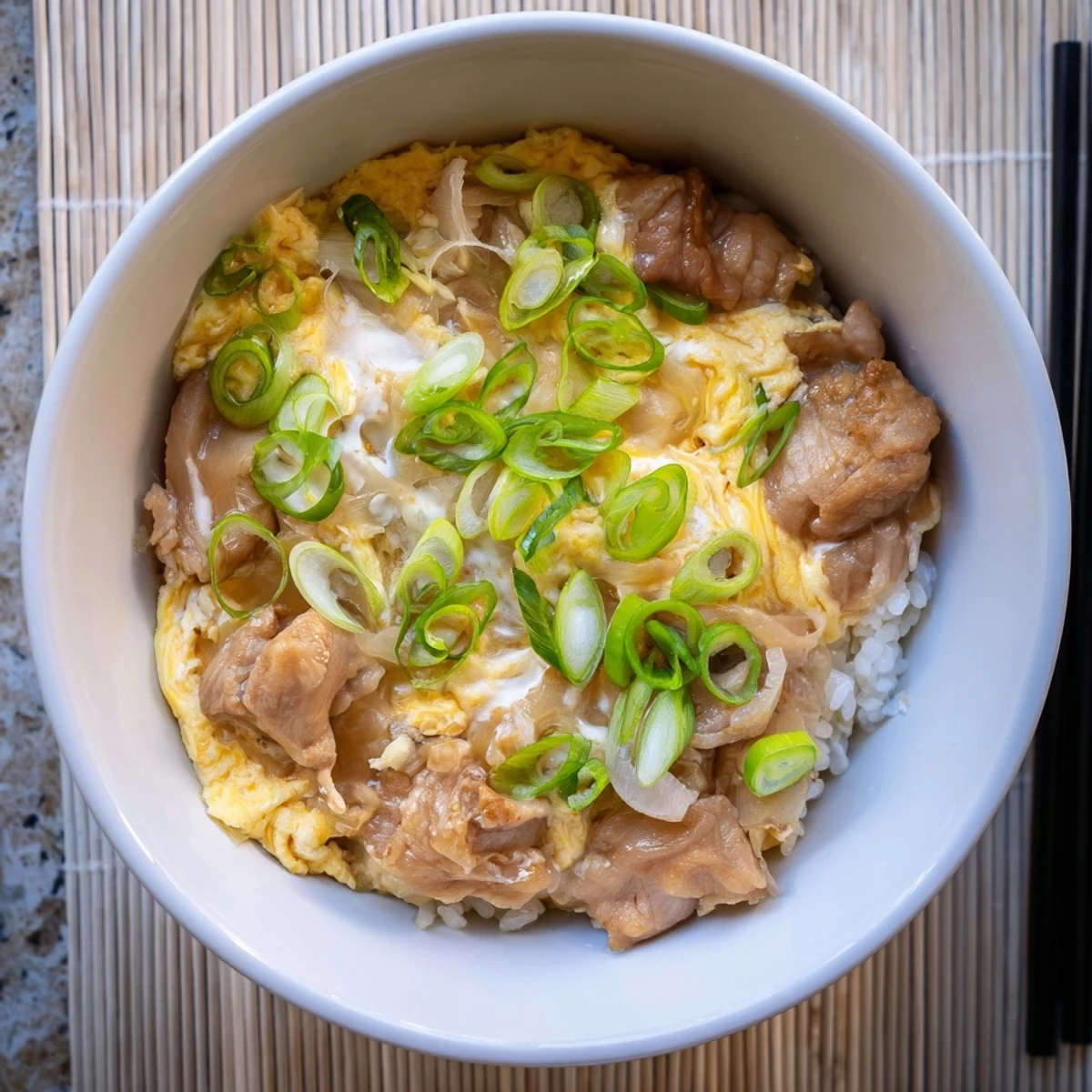
Oyakodon translates to 'parent-and-child bowl,' referencing the chicken (parent) and eggs (child) served together over rice. It's one of Japan's most popular donburi dishes.
- → Can I use chicken breast instead of thighs?
-
Yes, chicken breast works well for a leaner version. Reduce cooking time by 2-3 minutes to prevent drying, as breast cooks faster than thighs and has less fat to keep it moist.
- → What can I substitute for dashi stock?
-
Low-sodium chicken broth makes an excellent substitute. Vegetable broth also works, though the flavor profile will shift slightly from traditional umami-rich dashi.
- → Why shouldn't the eggs be fully cooked?
-
The eggs should remain slightly runny when removed from heat. They continue cooking from residual heat and the hot rice underneath, creating that signature creamy texture that defines great oyakodon.
- → Is mirin essential for this dish?
-
Mirin provides crucial sweetness and gloss. In a pinch, substitute with ½ teaspoon sugar mixed with ½ tablespoon water, though authentic mirin delivers the best flavor balance.
- → How do I store and reheat leftovers?
-
Store components separately in the refrigerator for up to 2 days. Reheat the chicken mixture gently in a pan, then pour over freshly steamed rice—microwaving can overcook the eggs and ruin the texture.