
 Save to feedthepins
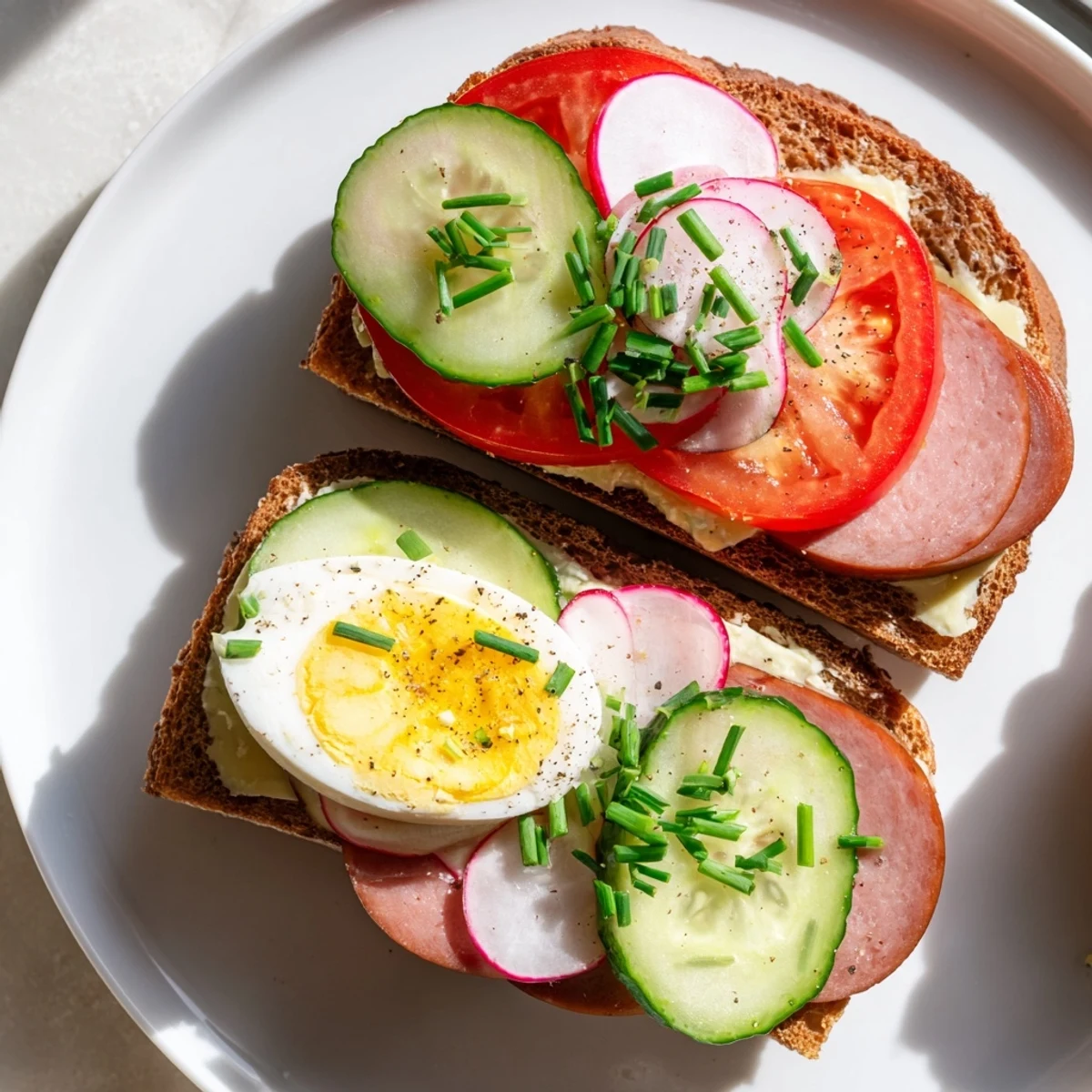
 Open-faced Polish sandwiches, known as kanapki, are a beloved staple of Polish cuisine and everyday snacking culture. These colorful, generously topped slices of bread require no cooking and come together in just 15 minutes, making them ideal for busy mornings, casual lunches, or entertaining guests.
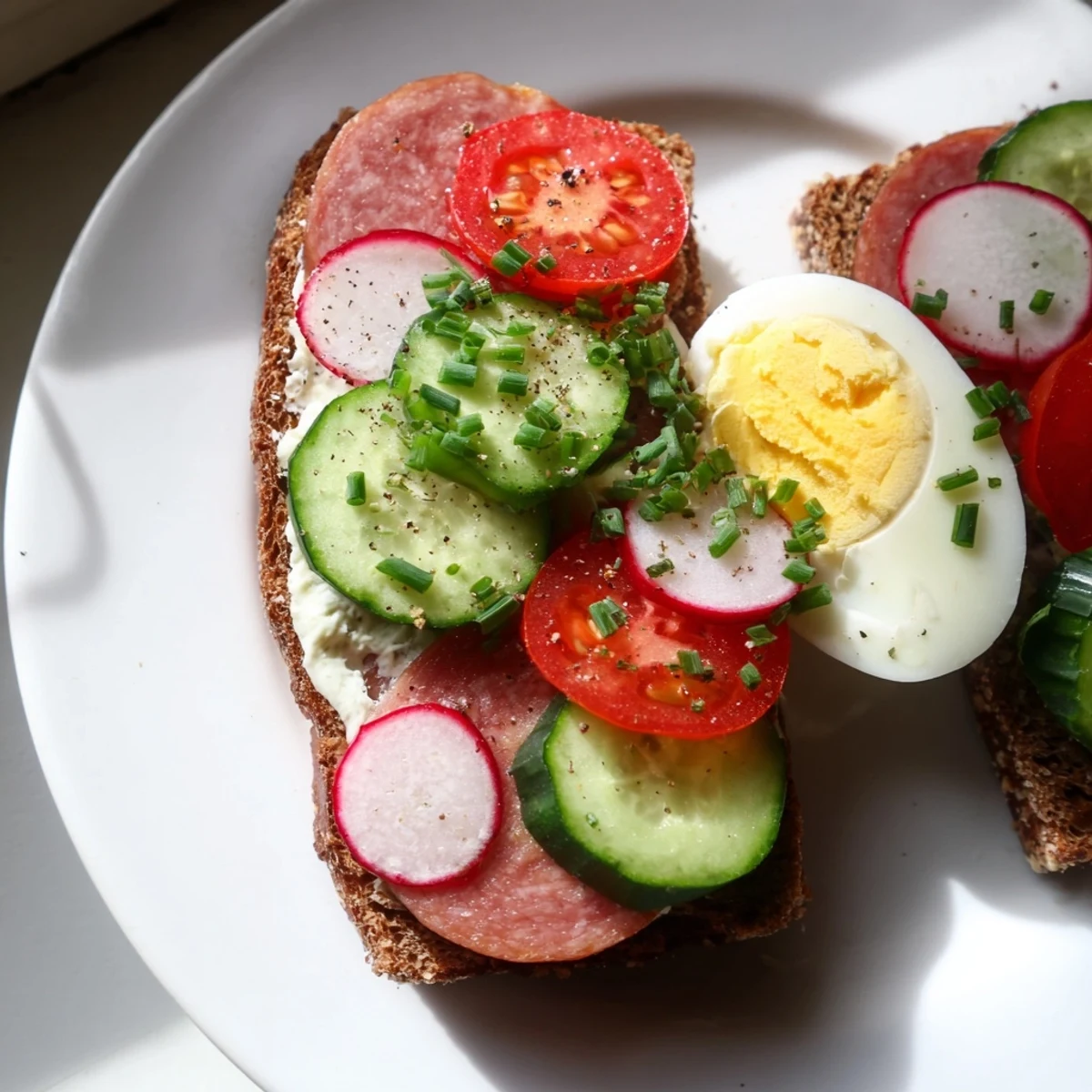
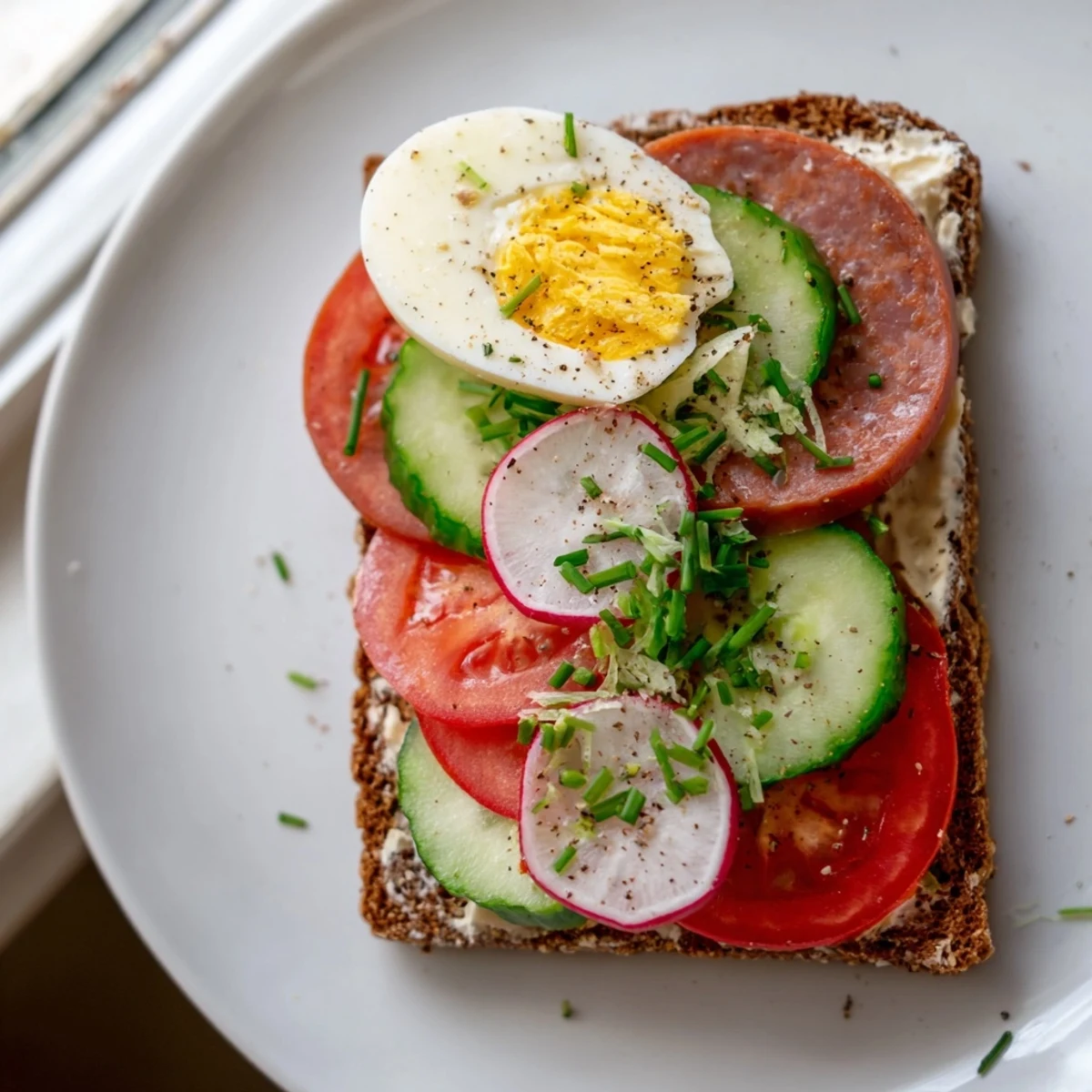
Each kanapka starts with a sturdy base of rye bread spread with creamy butter, then gets layered with your choice of kielbasa, smoked ham, hard-cooked egg, or melted yellow cheese. A vibrant crown of thinly sliced tomatoes, cucumbers, radishes, and red onion adds crunch and freshness, finished with a sprinkle of chopped chives or dill and a crack of black pepper.
The beauty of kanapki lies in their versatility — arrange a platter with assorted toppings and let everyone build their own perfect bite.
My babcia used to lay out an entire cutting board of these open faced beauties every Saturday morning, and nobody in the house could resist sneaking one before the table was even set. The smell of fresh rye mingling with slices of kielbasa and sharp onion was enough to pull anyone out of bed. She never followed a recipe, and she never made them the same way twice. That was the whole point.
I once brought a platter of these to a friends potluck and watched three people skip the hot dishes entirely to stand over the kanapki like they were guarding treasure. My friend Marek ate seven in a row and then asked if I had hidden more in the kitchen. That was the moment I understood babcis wisdom: simple food, generously shared, wins every time.
Ingredients
- Rye bread or baguette (8 slices): Rye is traditional and holds up beautifully under toppings without getting soggy.
- Unsalted butter, softened (3 tbsp): Softened is key here because cold butter tears the bread and ruins the whole foundation.
- Cream cheese (2 tbsp, optional): A thin layer under sharper toppings adds a cool creaminess that balances salty meats.
- Kielbasa or smoked ham (4 slices): Thinly sliced kielbasa brings that smoky, garlicky depth that defines the Polish flavor.
- Cooked egg (4 slices): Hard boiled and sliced thin, egg adds protein and a gentle richness that pairs well with almost anything.
- Yellow cheese such as Edam or Gouda (4 slices): A mild cheese lets the other ingredients shine without competing.
- Tomato, thinly sliced (1): Ripe but firm tomatoes give juiciness and a pop of color that makes the platter inviting.
- Small cucumber, thinly sliced (1): Cool and crisp, cucumber refreshes each bite especially when paired with onion.
- Red onion, thinly sliced (1/4): Soak the slices in cold water for five minutes if you want a milder bite.
- Radishes, thinly sliced (8): Their peppery crunch is a quiet surprise that most people do not expect and always appreciate.
- Fresh chives or dill, chopped: Either herb works, but dill is the more traditional Polish choice and smells like a summer garden.
- Salt and freshly ground black pepper: Just a pinch on each sandwich lifts everything without overpowering the fresh vegetables.
Instructions
- Lay the foundation:
- Arrange all eight bread slices on your clean cutting board or serving platter. Take a moment to appreciate how something this simple is about to become genuinely special.
- Spread the love:
- Use a butter knife to spread softened butter or cream cheese evenly across each slice. Go edge to edge because a dry corner is a sad corner.
- Build your base layer:
- Lay down your proteins and cheese, choosing kielbasa, ham, egg, or yellow cheese for each slice. Mix and match freely because variety is what makes a kanapki platter exciting.
- Layer the fresh goods:
- Arrange tomato, cucumber, red onion, and radish slices on top in whatever combination pleases you. Let colors overlap and textures mingle because these sandwiches should look as vibrant as they taste.
- Finish with flair:
- Sprinkle each sandwich with salt, pepper, and a generous scattering of fresh chopped chives or dill. Stand back and admire your work before anyone starts grabbing.
- Serve and watch them disappear:
- These are meant to be eaten immediately while the bread is still fresh and the vegetables are crisp. Set the platter down and step aside because they will not last long.
 Save to feedthepins
 One Christmas Eve I watched my uncle carefully compose each kanapki like a tiny painting, arranging radish roses and dill sprigs with surgical precision. The rest of us had already eaten ours plain and messy while he worked. When he finally bit into his masterpiece, he looked around at the empty platter and laughed so hard he cried.
Bread Makes or Breaks This
After years of making these, I can tell you that the bread you choose matters more than any topping. A dense, hearty rye with a good crust will hold everything together and add its own sour depth to each bite. Flimsy sandwich bread collapses under the weight of kielbasa and tomato juice, leaving you with a sad pile on a plate. Trust the old world approach and go for something with character.
The Art of Arranging a Platter
If you are serving these to guests, think of the platter as a canvas rather than a serving tray. Alternate colors and topping combinations so that every row looks different from the one next to it. Scatter extra herbs and a few extra radish slices in the gaps between sandwiches to make the whole thing look abundant. People eat with their eyes first, and a beautiful kanapki spread sets the mood before anyone takes a bite.
Making It Your Own
Part of the joy of kanapki is that there is no single correct version, only the version that makes you happy. Swap in pickles, tuck in lettuce leaves, or smear horseradish under the cheese if you want heat. Serve them alongside black tea on a quiet morning or a cold lager at a gathering with friends. The best toppings are whatever you have in the fridge and whatever sounds good right now.
- Keep extra bread and toppings on hand because people always want more than you expect.
- Prepare all your toppings before assembling because once you start building, everything moves quickly.
- Remember that imperfection is part of the charm, so do not stress over symmetry.
 Save to feedthepins
 Every time I lay out a board of kanapki, I think of crowded kitchen tables, loud conversations, and the quiet satisfaction of food that asks nothing of you but an appetite. That is the real recipe at work here.
Recipe Q&A
- → What type of bread works best for kanapki?
-
Dense, hearty rye bread is the traditional choice for Polish kanapki because it holds up well under toppings without becoming soggy. A fresh baguette, sourdough, or whole grain loaf also works beautifully. The key is selecting a bread with a sturdy crumb and satisfying chew that can support generous layers of spreads, meats, and vegetables.
- → Can I prepare kanapki ahead of time for a party?
-
You can prepare most components in advance — slice vegetables, cut cheeses and meats, and soften butter ahead of time. However, assemble the sandwiches no more than 30 minutes before serving to prevent the bread from softening. Arrange them on a platter and cover lightly with plastic wrap in the refrigerator until guests arrive.
- → What are traditional Polish toppings for kanapki?
-
Classic Polish kanapki typically feature kielbasa, smoked ham, hard-boiled eggs, yellow cheeses like Edam or Gouda, pickled herring, and fresh vegetables such as tomatoes, cucumbers, and radishes. Fresh herbs like dill and chives are essential finishing touches. Pickles, horseradish, and mustard are also popular accompaniments.
- → How do I keep the bread from getting soggy?
-
Spread a thin, even layer of butter or cream cheese directly on the bread before adding any moist toppings — this creates a protective barrier against moisture. Pat sliced tomatoes and cucumbers dry with a paper towel before arranging them. Assemble the sandwiches as close to serving time as possible for the best texture.
- → Are kanapki served warm or cold?
-
Kanapki are almost always served at room temperature or slightly chilled, never warm. This makes them incredibly convenient for entertaining, as there's no last-minute heating required. Simply pull them from the refrigerator 10 to 15 minutes before serving so the butter and cheese soften slightly and the flavors come through fully.
- → Can I make a vegetarian version of kanapki?
-
Absolutely — simply skip the kielbasa and ham, and load up on hard-boiled egg slices, cheese, and an abundance of fresh vegetables. Marinated mushrooms, roasted red peppers, avocado, and hummus are excellent vegetarian additions. A generous spread of cream cheese topped with radishes, cucumber, and fresh dill makes a delightful meat-free kanapka.