
 Save to feedthepins
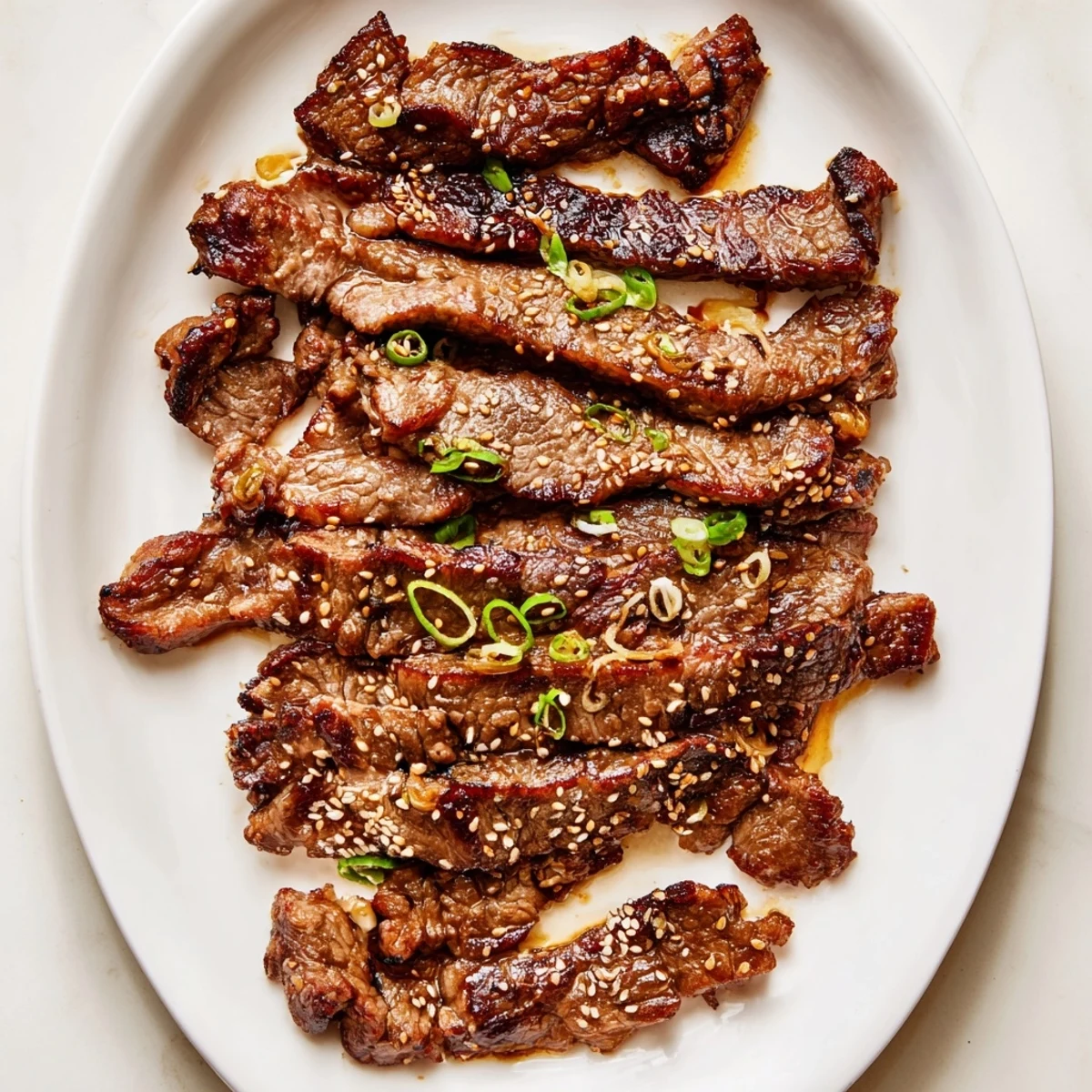
 These Korean-style grilled beef short ribs feature a balance of sweet and savory flavors from a marinade containing soy sauce, mirin, honey, brown sugar, Asian pear, onion, garlic, and ginger. The flanken-cut ribs absorb the marinade beautifully during 4 to 12 hours of refrigeration, developing deep umami notes. Grilling over medium-high heat creates those characteristic caramelized edges and slight char that define authentic galbi. The result is tender, juicy beef with a sticky, flavorful coating that pairs perfectly with steamed rice and kimchi.
The smell of galbi hitting a hot grill takes me back to a tiny rooftop restaurant in Seoul where I first understood how sweet and savory could dance together perfectly. My Korean friend Young kept laughing at how carefully I was watching the grill master flip those ribs, and she finally made me ask him for his secrets. Those same techniques ended up in this recipe, and now every time I make it, my balcony fills with neighbors asking what smells so incredible.
Last summer I made these ribs for my dad, who is notoriously skeptical of anything that isnt traditional barbecue. He took one bite, went silent for a full minute, then asked if I could teach him how to make them for his poker night. Now its the only thing his friends ever request when they come over.
Ingredients
- 1.5 kg beef short ribs, flanken cut: The flanken cut is non-negotiable here, it lets the marinade really work its way into every layer and creates those perfect grill marks
- 120 ml soy sauce: Use a good quality soy sauce because its the backbone of your flavor profile, and grab tamari if anyone needs gluten-free
- 60 ml mirin or rice wine: This adds subtle sweetness and helps tenderize the meat, though apple juice works in a pinch
- 2 tbsp brown sugar: Dark brown sugar gives you that rich caramelization that makes these ribs look as good as they taste
- 2 tbsp honey: The honey creates this gorgeous sticky glaze that youll catch yourself licking off your fingers
- 1 tbsp sesame oil: Toasted sesame oil adds that unmistakable Korean aroma that makes everyone suddenly hungry
- 1 Asian pear, grated: The pear enzymes break down tough fibers, and I swear this is the secret to restaurant-tender ribs at home
- 1/2 onion, grated: Grating might seem fussy but it releases all those onion juices without leaving chunky bits
- 4 garlic cloves, minced: Fresh garlic only please, never the jarred stuff which has a weird metallic aftertaste
- 2 tsp fresh ginger, grated: Peel it with a spoon and grate it fresh, the difference is worth the extra two minutes
- 2 scallions, chopped: Save the green parts for garnish and use the white parts in the marinade
- 1 tbsp toasted sesame seeds: Toast your own in a dry pan, store-bought toasted seeds never taste as fresh
Instructions
- Rinse and prep the ribs:
- Rinse each rib under cold water and feel for any bone fragments that can sometimes hide in flanken cuts, then pat them really dry with paper towels because wet meat doesnt get that nice sear.
- Make the magic marinade:
- Whisk everything together in a large bowl until the brown sugar completely dissolves, and dont worry if it looks thin, the pear will thicken it up as it sits.
- Marinate like you mean it:
- Cover the ribs completely with the marinade, refrigerate for at least 4 hours but overnight is better, and flip the container halfway through so every piece gets equal attention.
- Get your grill screaming hot:
- Preheat your grill to medium-high, you want it hot enough that you hear that satisfying sizzle the second the ribs hit the grates.
- Grill to perfection:
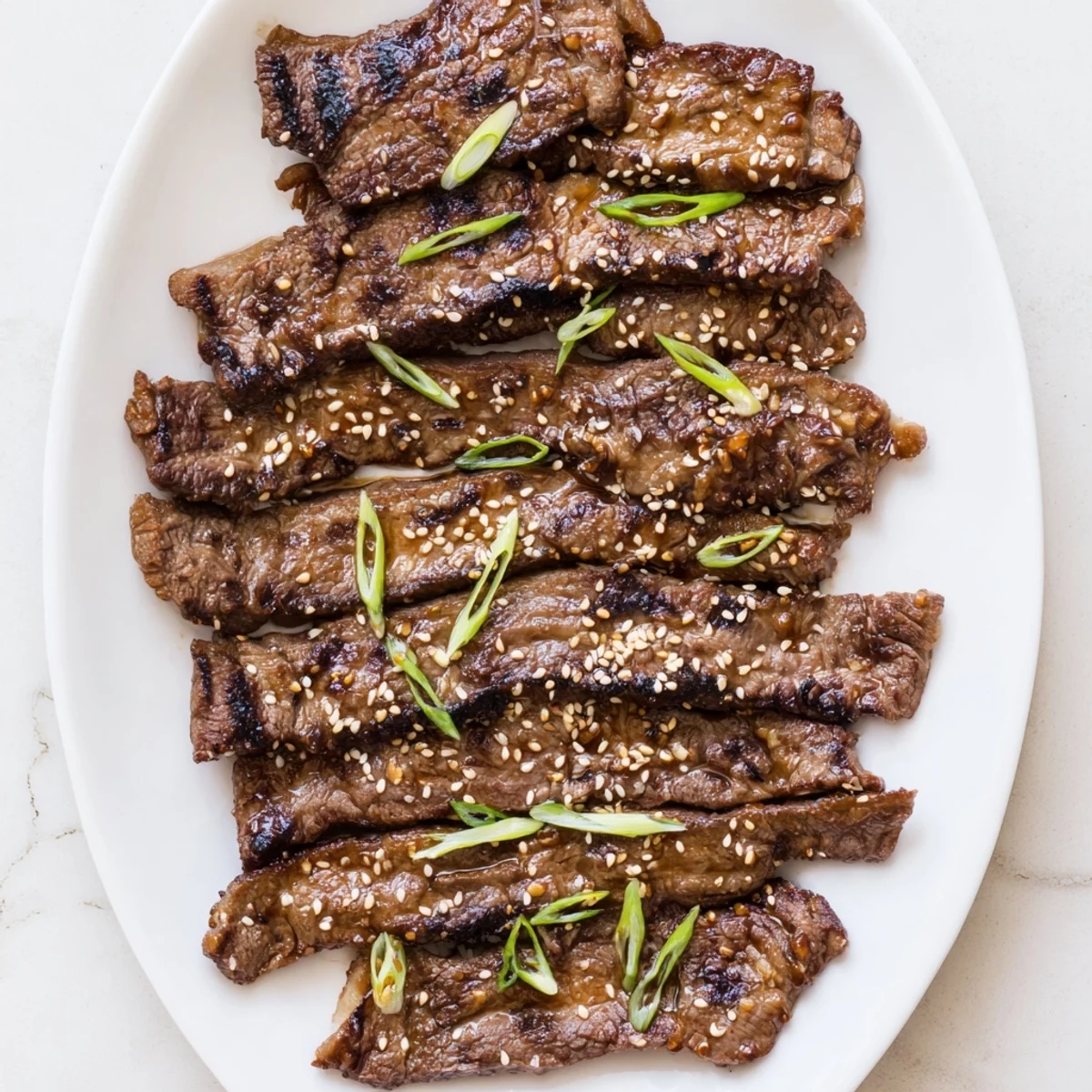
- Shake off the excess marinade and grill for 3-4 minutes per side until you see those beautiful charred edges and caramelized spots develop.
- Rest and garnish:
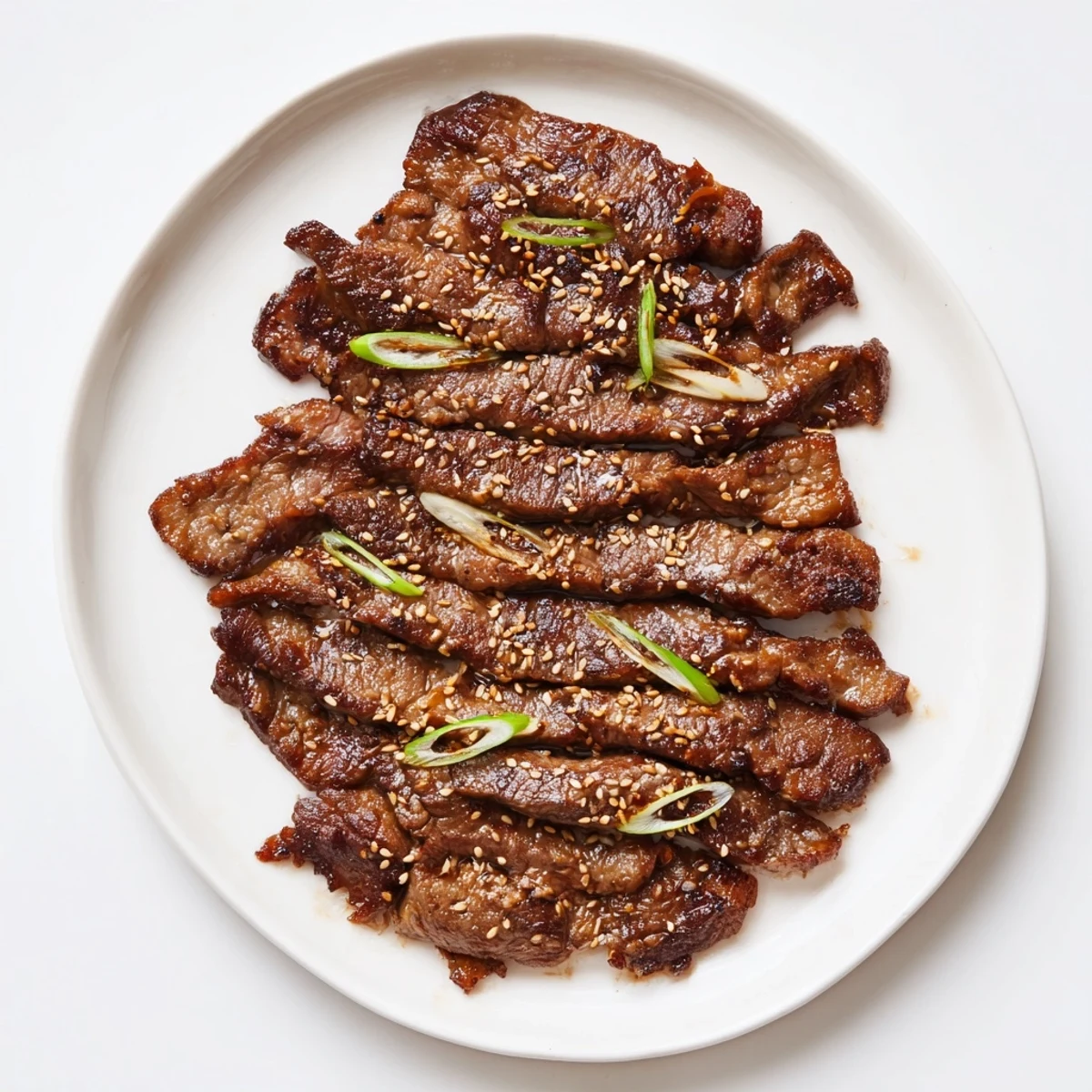
- Let the ribs rest for 5 minutes so the juices redistribute, then scatter with fresh scallions and sesame seeds right before serving.
 Save to feedthepins
 My sister hosted her first dinner party last month and served these ribs, and three guests have already texted her for the recipe. Thats the thing about really good food, it becomes part of peoples stories and gatherings.
Choosing The Right Cut
I spent years buying the wrong short ribs before a butcher finally set me straight. Look for flanken cut which means the ribs are cut across the bone into thin strips, not between the bones like English style ribs. This cut exposes more surface area to the marinade and cooks quickly on the grill.
Marinade Wisdom
The pear in this recipe isnt just for sweetness, its actually working while you sleep. Fruit enzymes break down connective tissue in the meat, and after years of experimenting, I found Asian pear works best without making the meat mushy like some other fruits can.
Serving It Right
In Korea, galbi is often served family-style with everyone reaching in and grabbing ribs directly from the platter. Set out bowls of steamed rice, various kimchi, and maybe some lettuce leaves for wrapping. The whole interactive experience is half the fun.
- Have extra napkins ready, eating ribs with your hands is non-negotiable
- Cold beer or soju cuts through the richness beautifully
- Cook extra rice because people will want to make little wraps with lettuce and kimchi
 Save to feedthepins
 Theres something deeply satisfying about food that brings people together around the grill, sticky fingers and all. Hope these ribs find their way into your familys story too.
Recipe Q&A
- → What cut of beef works best for galbi?
-
Flanken-cut short ribs, sliced 1/2 inch thick across the bone, are traditional for galbi. This cut allows the marinade to penetrate quickly and cooks evenly on the grill.
- → How long should I marinate the ribs?
-
Marinate for at least 4 hours, but overnight marinating yields the most tender and flavorful results. The enzymes in the Asian pear help break down the meat fibers.
- → Can I make this gluten-free?
-
Yes, simply substitute the regular soy sauce with a certified gluten-free tamari or coconut aminos. All other ingredients in the marinade are naturally gluten-free.
- → What can I substitute for mirin?
-
Apple juice works well as a non-alcoholic substitute for mirin. You can also use dry sherry or white wine vinegar with a pinch of sugar added.
- → How do I know when the ribs are done?
-
The ribs are ready when they're caramelized with slightly charred edges and an internal temperature reaches 145°F. They should feel tender but not falling off the bone.
- → Can I cook these indoors?
-
A grill pan or cast-iron skillet works well for indoor cooking. Preheat over medium-high heat and cook 3-4 minutes per side, or until caramelized and cooked through.