
 Save to feedthepins
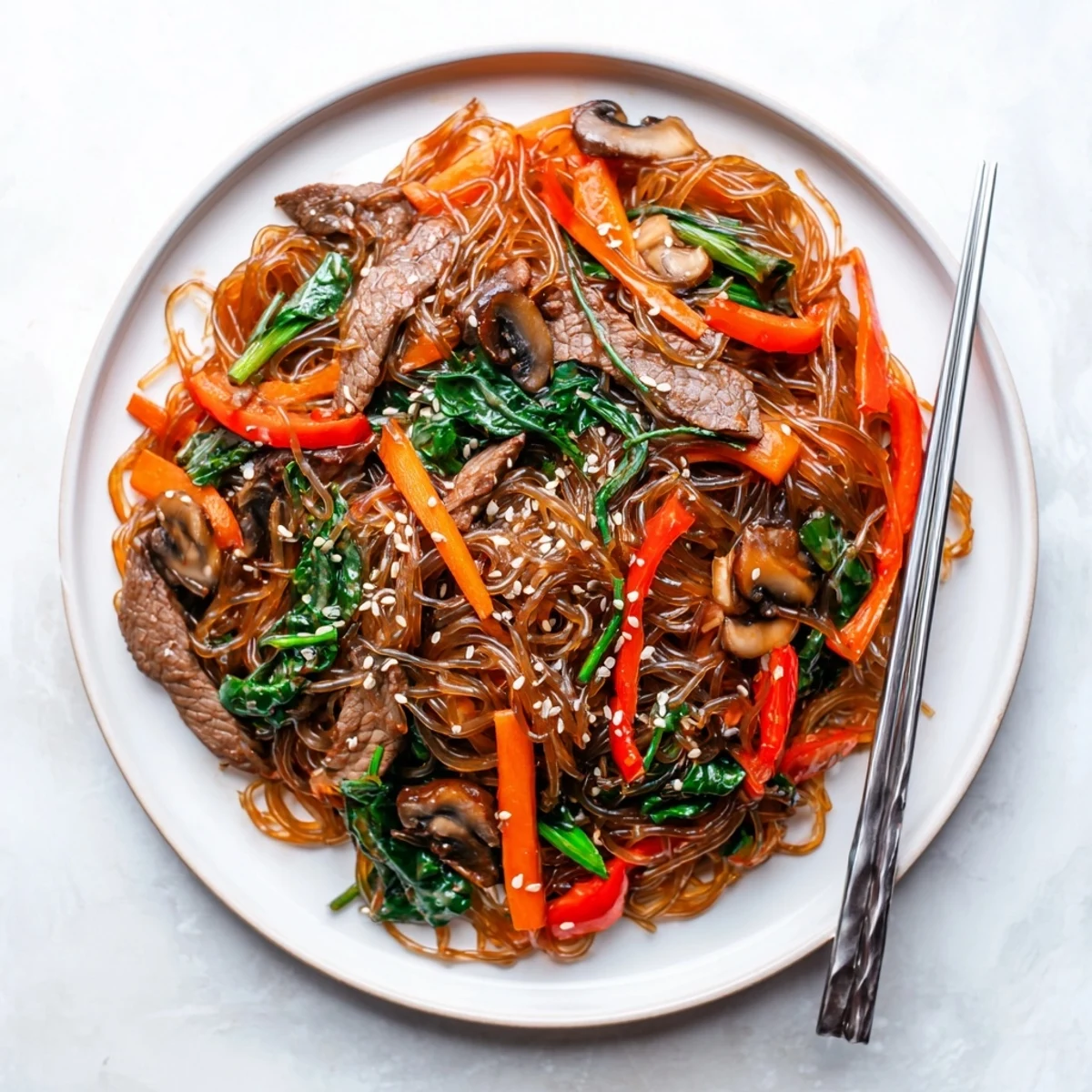
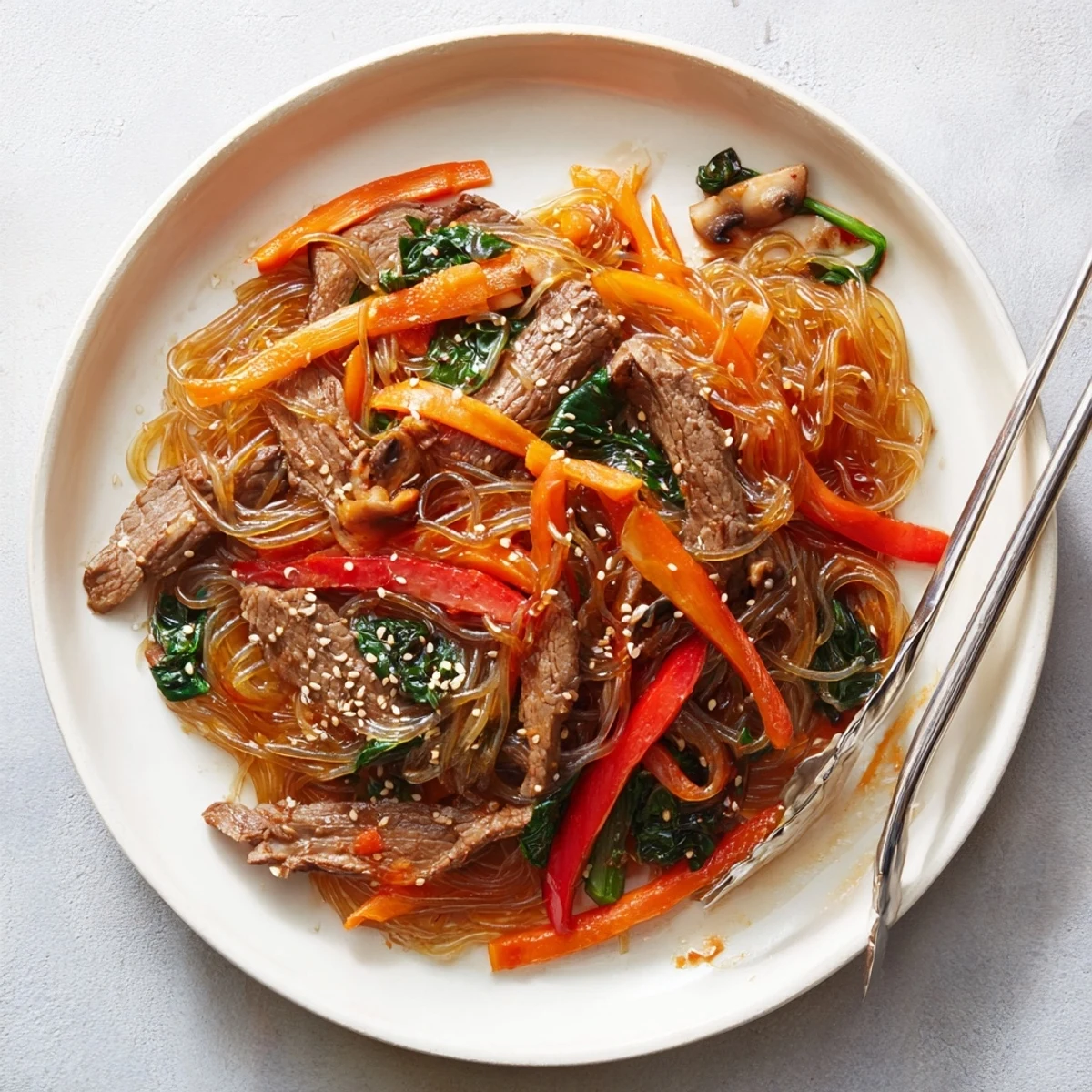
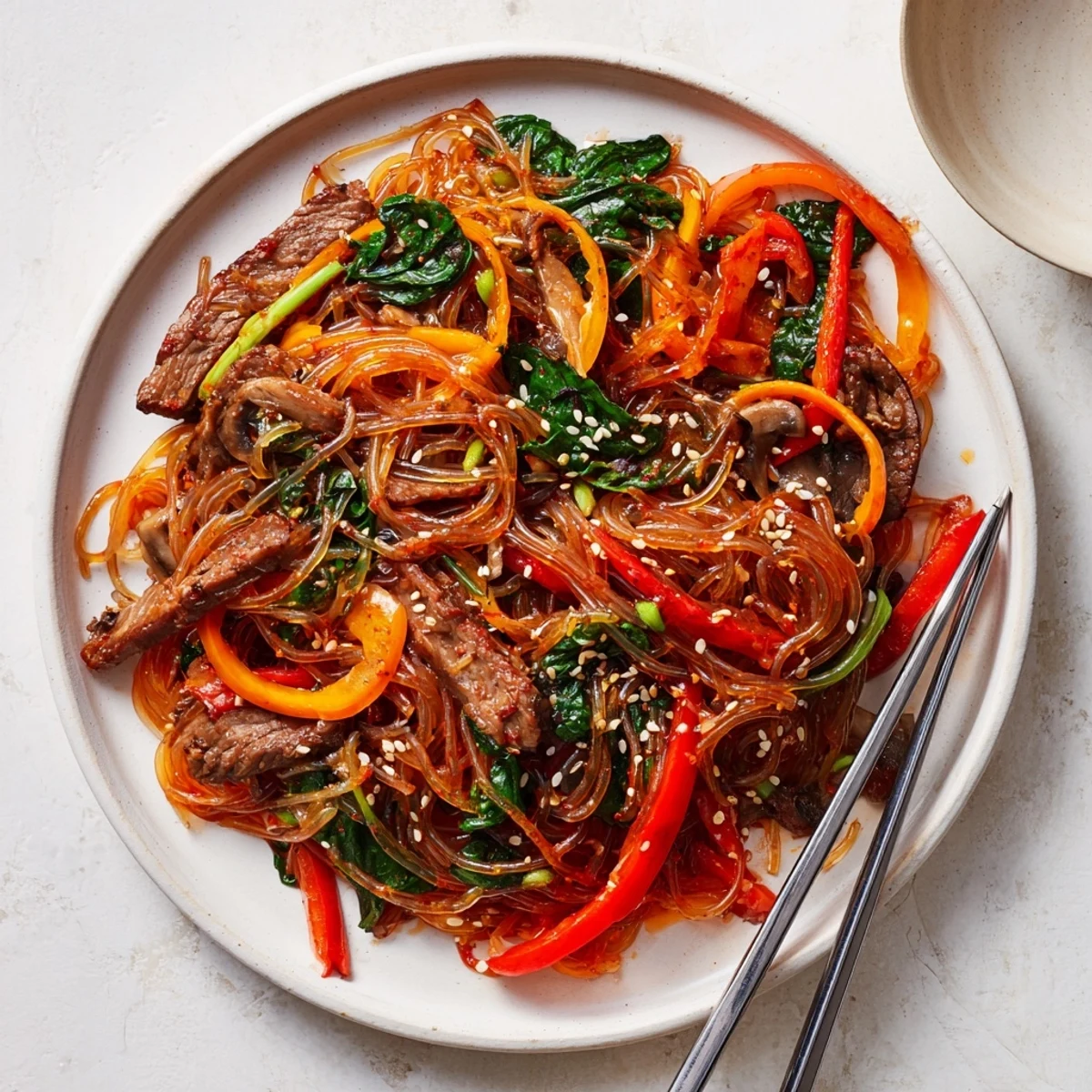
 Savory Korean-style noodles featuring thinly sliced flank steak, chewy sweet potato glass noodles, and colorful vegetables in a rich, mildly spiced sauce. The beef is quickly stir-fried until tender, then tossed with crisp carrots, bell peppers, shiitake mushrooms, and fresh spinach. The sauce balances salty soy sauce with sweet brown sugar, earthy gochujang, and aromatic ginger and garlic for authentic Korean flavors. Ready in just 45 minutes, this comforting bowl of noodles is perfect for busy weeknights when you crave something satisfying and flavorful.
The first time I made Korean beef noodles, my tiny apartment filled with this incredible smell of sesame and garlic that had my neighbor knocking on my door within minutes. I had just discovered glass noodles at an Asian market and decided to wing it with whatever I had in my fridge. That night, sitting cross-legged on my living room floor with a steaming bowl, I realized sometimes the best dinners happen when you stop overthinking and just start cooking.
Last winter when my sister was recovering from surgery, I brought her a container of these noodles. She texted me an hour later saying it was the first thing she had actually wanted to eat in days. Thats when I knew this wasnt just another weeknight dinner recipe it was the kind of comfort food that shows up exactly when someone needs it.
Ingredients
- Flank steak or sirloin (400g): Thinly slicing against the grain makes all the difference here, and the cornstarch velvet technique keeps it restaurant tender
- Korean sweet potato glass noodles: These springy, translucent noodles are what give the dish its signature chew, though rice noodles work in a pinch
- Carrot, bell pepper, and shiitake mushrooms: The trio brings color, texture, and earthy depth that balances the rich beef
- Gochujang: This fermented Korean chili paste is absolutely nonnegotiable for that authentic depth and gentle hum of heat
- Brown sugar and mirin: Together they create this glossy, caramelized finish that makes the sauce cling to every single noodle
- Fresh spinach: Added at the very end so it wilts just enough while keeping a bit of brightness
Instructions
- Marinate the beef:
- Toss the sliced beef with soy sauce, cornstarch, and sesame oil, then let it hang out while you prep everything else
- Cook the noodles:
- Boil them according to the package, rinse under cold water to stop the cooking, and set aside
- Whisk the sauce:
- Combine all the sauce ingredients in a small bowl until the sugar dissolves completely
- Sear the beef:
- Heat half the oil in a large skillet over medium-high heat, add the beef, and stir-fry for just 2 to 3 minutes until browned
- Cook the vegetables:
- Add the remaining oil to the skillet and stir-fry the carrots, bell pepper, and mushrooms until they are tender but still have some crunch
- Bring it all together:
- Return the beef to the pan, add the noodles, spinach, and sauce, then toss for 2 to 3 minutes until everything is coated and heated through
 Save to feedthepins
 My friend Jinah told me that in Korea, noodles represent longevity and are often eaten at birthdays and celebrations. Now I make these whenever I want to wish someone well or honor a milestone. Its funny how food can carry meaning we never knew was there.
Getting The Noodle Texture Right
I used to struggle with glass noodles until I learned that timing is everything. Undercook them by about a minute compared to the package instructions because they will continue cooking in the sauce later. Also, that cold water rinse is not optional it shocks the noodles and preserves that signature chewy bounce that makes this dish so satisfying.
Building The Perfect Sauce
The sauce needs to strike this delicate balance between sweet, salty, and spicy. I always taste it before adding to the pan and adjust accordingly. Sometimes I need a touch more sugar if my gochujang is particularly fiery that day. Trust your palate here because every brand of ingredients varies slightly.
Serving Suggestions That Work
This dish is hearty enough to stand alone but I love serving it with some quick pickled cucumbers on the side to cut through the richness. A cold lager or barley tea is perfect for cooling your palate between bites.
- Let everyone add their own extra gochujang at the table so heat levels can be customized
- Squeeze some fresh lime over the top just before serving for a bright contrast
- Have plenty of napkins ready because this is definitely a twofork kind of meal
 Save to feedthepins
 There is something deeply satisfying about slurping these noodles straight from the bowl, sauce splashing, completely unselfconscious. I hope this recipe finds its way into your regular rotation and brings as much comfort to your table as it has to mine.
Recipe Q&A
- → What type of noodles work best?
-
Korean sweet potato glass noodles (dangmyeon) are traditional, offering a delightfully chewy texture. Rice noodles make an excellent gluten-free alternative with similar springiness.
- → Can I adjust the spice level?
-
Absolutely. Start with one tablespoon of gochujang for mild heat, then add more or include red pepper flakes for additional spiciness to suit your taste preferences.
- → What protein alternatives can I use?
-
Sliced chicken breast, pork tenderloin, or firm tofu work beautifully as substitutes. Adjust cooking times slightly—chicken needs about 4-5 minutes, while tofu requires just 2-3 minutes to brown.
- → How do I prevent the beef from getting tough?
-
Slice the beef thinly against the grain, marinate briefly with cornstarch, and stir-fry quickly over high heat. Avoid overcooking—2-3 minutes yields tender, juicy results.
- → Can I prepare this ahead?
-
Prep ingredients in advance and store separately. The sauce can be mixed up to 3 days ahead. Cook everything just before serving for the freshest texture and flavor.
- → Is this dish gluten-free?
-
It can be. Use gluten-free soy sauce (tamari) and verify your noodles are gluten-free. Traditional dangmyeon noodles are naturally gluten-free, but always check labels.