
 Save to feedthepins
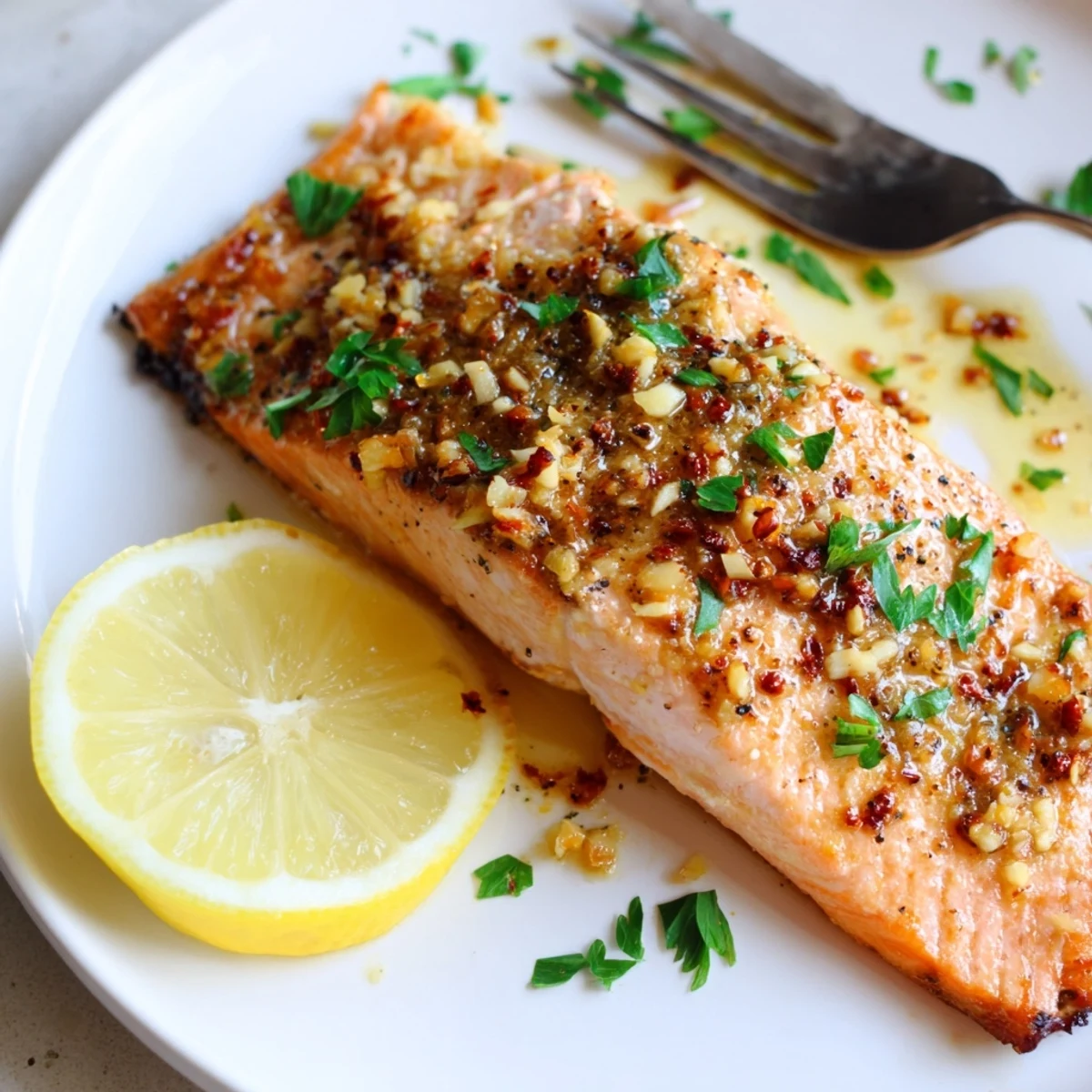
 This garlic butter salmon delivers a perfectly crispy-skinned fillet bathed in a luscious lemon-garlic butter sauce. Ready in just 25 minutes, it's an ideal choice for both busy weeknights and special occasions.
Salmon fillets are seasoned, pan-seared to golden perfection, then finished with a fragrant sauce made from melted butter, minced garlic, fresh lemon zest and juice, and chopped parsley. The result is tender, flaky fish with a rich, aromatic coating.
Serve alongside steamed vegetables, fluffy rice, or a crisp salad for a complete, satisfying meal.
The hiss of salmon hitting a hot pan is one of those sounds that instantly makes a kitchen feel alive. My neighbor walked in one rainy Tuesday evening asking to borrow salt and walked out forty minutes later with a full plate and a new favorite recipe. The garlic butter sauce was something I stumbled into after burning the first batch of butter and starting over with lower heat and more patience. That mistake turned a simple weeknight dinner into the dish everyone requests when they visit.
Last summer I made this for my sister who swore she did not like salmon. She cleaned her plate, asked for seconds, and now texts me photos every time she attempts it herself with increasingly proud commentary about her searing technique.
Ingredients
- 4 salmon fillets about 170 g each: Skin on gives you a crispy bottom but skin off works fine if that texture bothers you.
- 4 tbsp unsalted butter: Unsalted lets you control the seasoning and prevents the sauce from tasting overly salty.
- 4 cloves garlic minced: Fresh garlic makes a real difference here since the sauce is so simple.
- 1 lemon zested and juiced: The zest adds brightness and the juice cuts through the richness of the butter.
- 2 tbsp fresh parsley finely chopped: Flat leaf parsley has better flavor but curly works in a pinch.
- 1 tbsp olive oil: Used for the initial sear because it handles higher heat better than butter alone.
- Salt and freshly ground black pepper: Season generously on both sides of the fish before it hits the pan.
- Lemon wedges and extra parsley for garnish: Entirely optional but they make the plate look finished.
Instructions
- Dry and season the fish:
- Pat each fillet thoroughly with paper towels because moisture is the enemy of a good sear. Season both sides with salt and pepper and let them sit for a minute while the pan heats.
- Sear skin side down:
- Heat olive oil in a large skillet over medium high heat until it shimmers and gently place the fillets skin side down. Listen for that satisfying sizzle and resist the urge to move them for at least four minutes.
- Flip and finish:
- Carefully flip each fillet and cook two to three more minutes depending on thickness and how you like your salmon done. Remove them from the pan and set aside on a warm plate.
- Build the garlic butter sauce:
- Lower the heat to medium and add the butter to the same pan letting it melt gently without browning. Toss in the minced garlic and stir for about a minute until your whole kitchen smells incredible.
- Add lemon and herbs:
- Stir in the lemon zest, lemon juice, and half the chopped parsley then let it bubble for thirty seconds. The sauce will look slightly glossy and smell bright and savory.
- Bring it all together:
- Return the salmon to the skillet and spoon the garlic butter over each fillet for one final minute so the flavors soak in. Plate with extra sauce drizzled on top and garnish as you like.
 Save to feedthepins
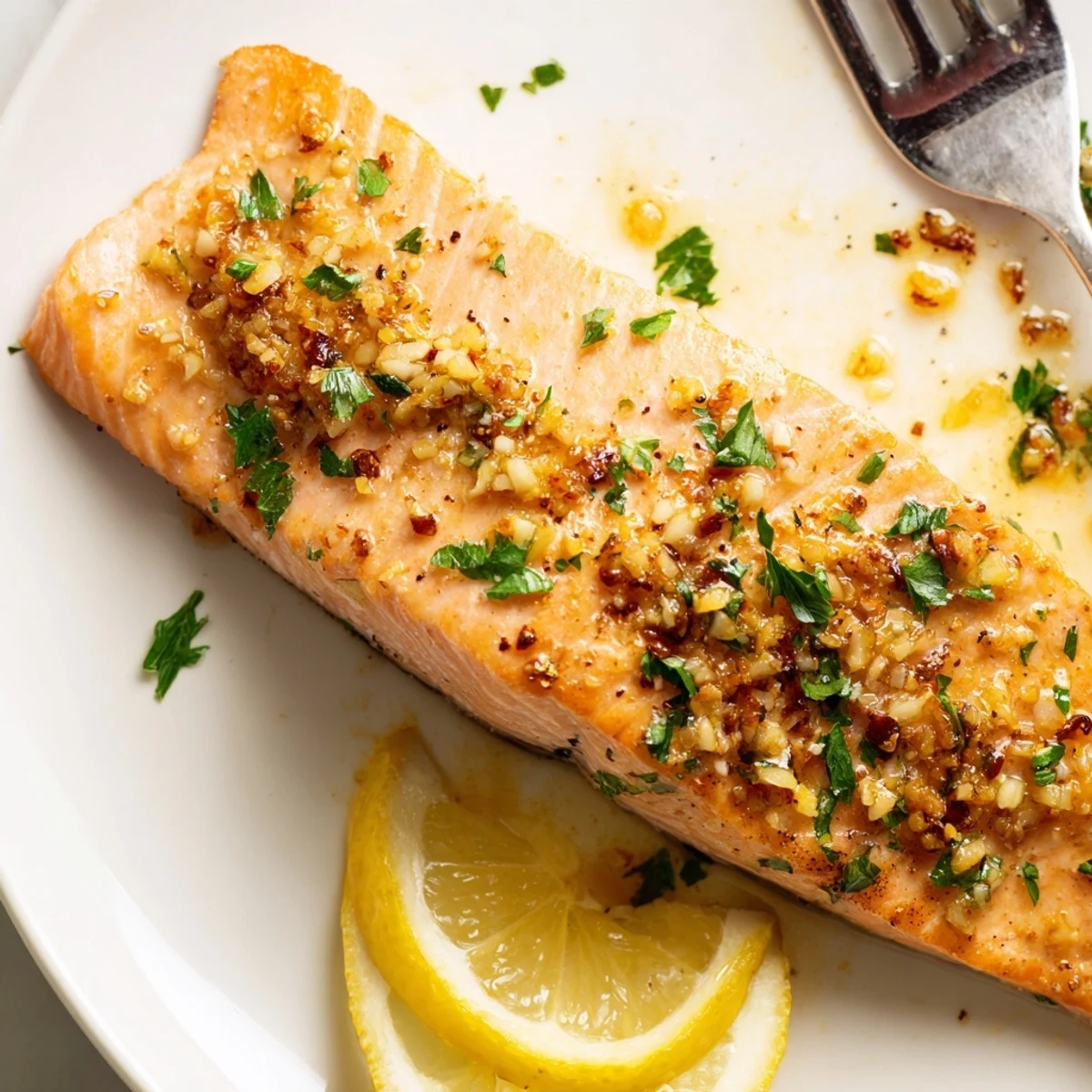
 There is something about the way garlic butter pools around a piece of perfectly seared salmon that turns an ordinary dinner into a small celebration.
Serving Suggestions
I love plating this over a bed of steamed green beans or fluffy rice because both soak up the extra garlic butter like a sponge. A glass of cold Sauvignon Blanc on the side turns a Tuesday dinner into something that feels intentionally special.
Making It Your Own
Swap the parsley for fresh dill if you want something that tastes a little more Scandinavian or try chives for a milder onion note. One friend adds a pinch of red pepper flakes to the butter and swears it wakes up the whole dish without making it spicy.
Kitchen Essentials and Quick Reminders
A large heavy skillet is the one tool that truly matters here because thin pans create hot spots that burn the butter before the garlic has time to soften. Keep a spatula, a sharp knife, and a citrus zester within arm's reach so you never have to step away from the stove at a critical moment.
- Dairy free butter alternatives work well in the sauce if you need to avoid milk.
- Always check labels on packaged ingredients for hidden allergens.
- Remember that the fish keeps cooking from residual heat even after plating.
 Save to feedthepins
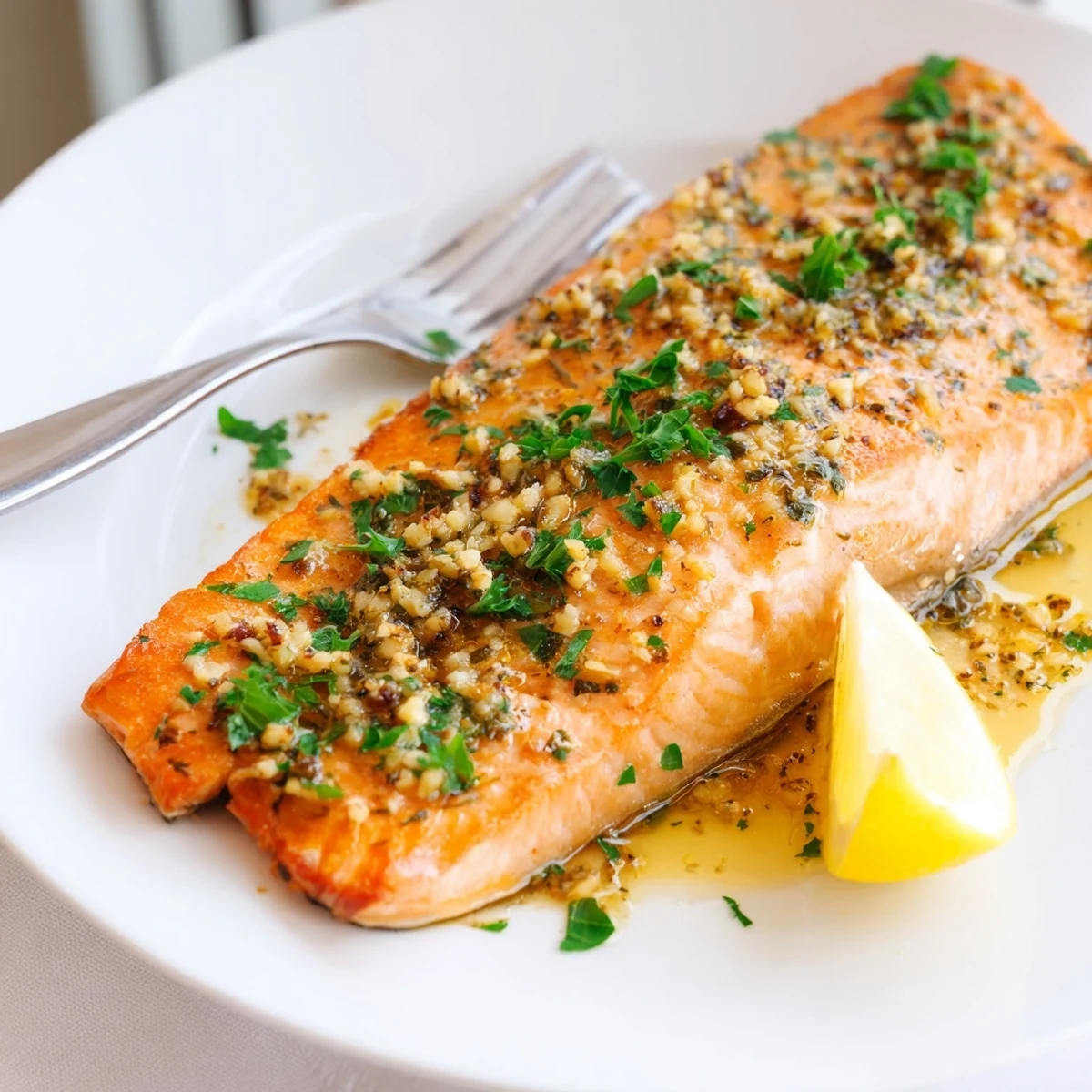
 Once you nail the timing on this one it becomes the kind of recipe you can cook from memory with confidence and a glass of wine in hand.
Recipe Q&A
- → Should I use skin-on or skin-off salmon fillets?
-
Both work well. Skin-on fillets crisp up beautifully when seared skin-side down, adding a satisfying texture contrast. If you prefer not to eat the skin, it also peels away easily after cooking. Skin-off fillets cook slightly faster and absorb more of the garlic butter sauce directly.
- → How do I know when the salmon is fully cooked?
-
Salmon is done when it flakes easily with a fork and reaches an internal temperature of 63°C (145°F). The flesh should turn from translucent to opaque pink. For a medium doneness with a slightly rosy center, aim for about 4–5 minutes on the skin side and 2–3 minutes after flipping.
- → Can I substitute the butter for a dairy-free option?
-
Yes, you can replace unsalted butter with a high-quality non-dairy butter alternative or even a splash of full-fat coconut cream. Keep in mind that the sauce may taste slightly different, but the garlic and lemon will still carry excellent flavor throughout the dish.
- → What sides pair best with garlic butter salmon?
-
Steamed or roasted vegetables like asparagus, broccoli, or green beans make excellent companions. A bed of fluffy white rice, quinoa, or creamy mashed potatoes also works beautifully to soak up the extra garlic butter sauce. A light side salad adds freshness to balance the richness.
- → How should I store and reheat leftover salmon?
-
Store leftover salmon in an airtight container in the refrigerator for up to 2 days. To reheat, gently warm it in a skillet over low heat with a splash of water or extra butter to prevent drying out. Avoid microwaving at high power, as it can overcook the fish and make it tough.
- → Can I use frozen salmon fillets?
-
Absolutely. Thaw frozen fillets overnight in the refrigerator or under cold running water for quicker results. Pat the salmon thoroughly dry with paper towels before seasoning and searing to ensure proper browning and a crispy skin.