
 Save to feedthepins
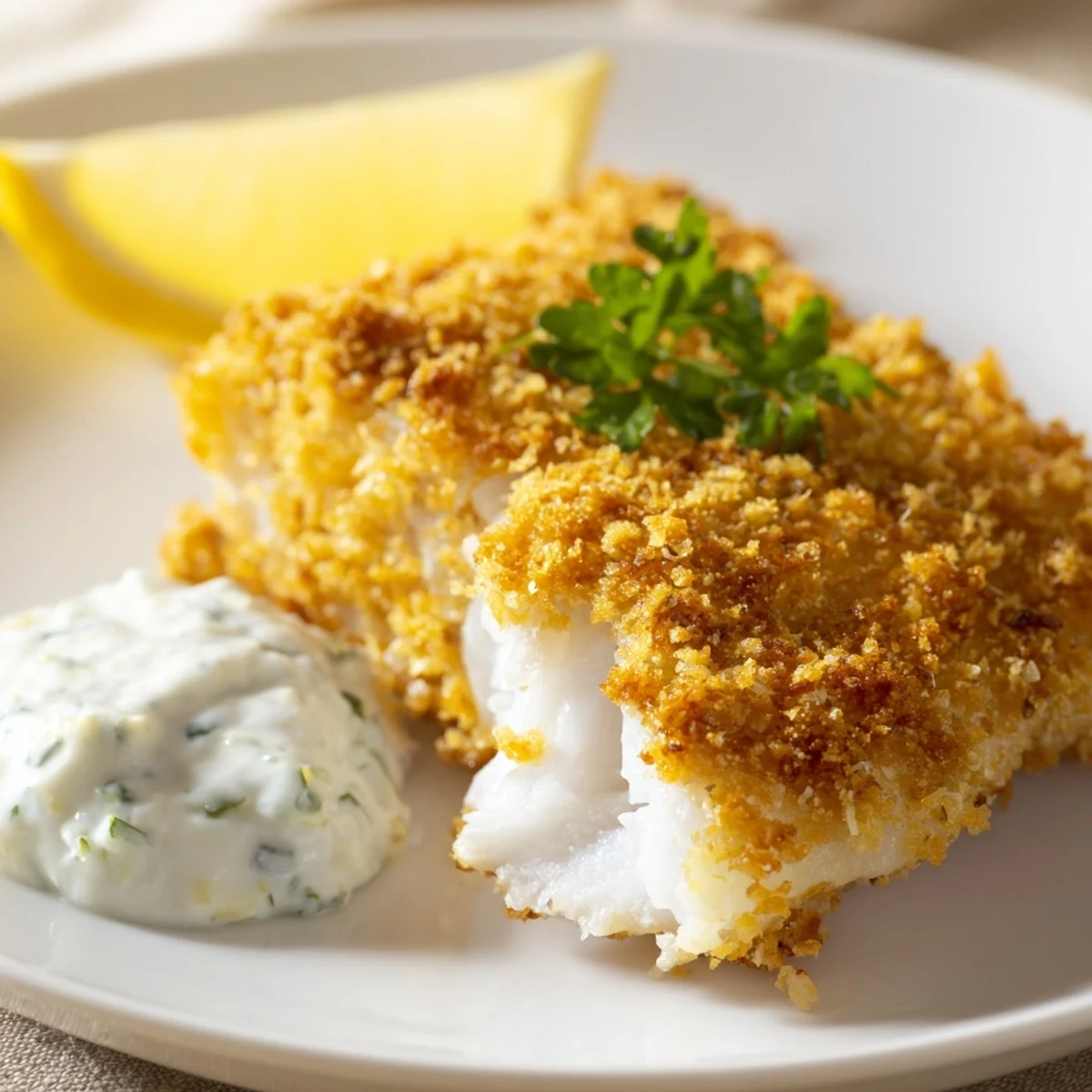
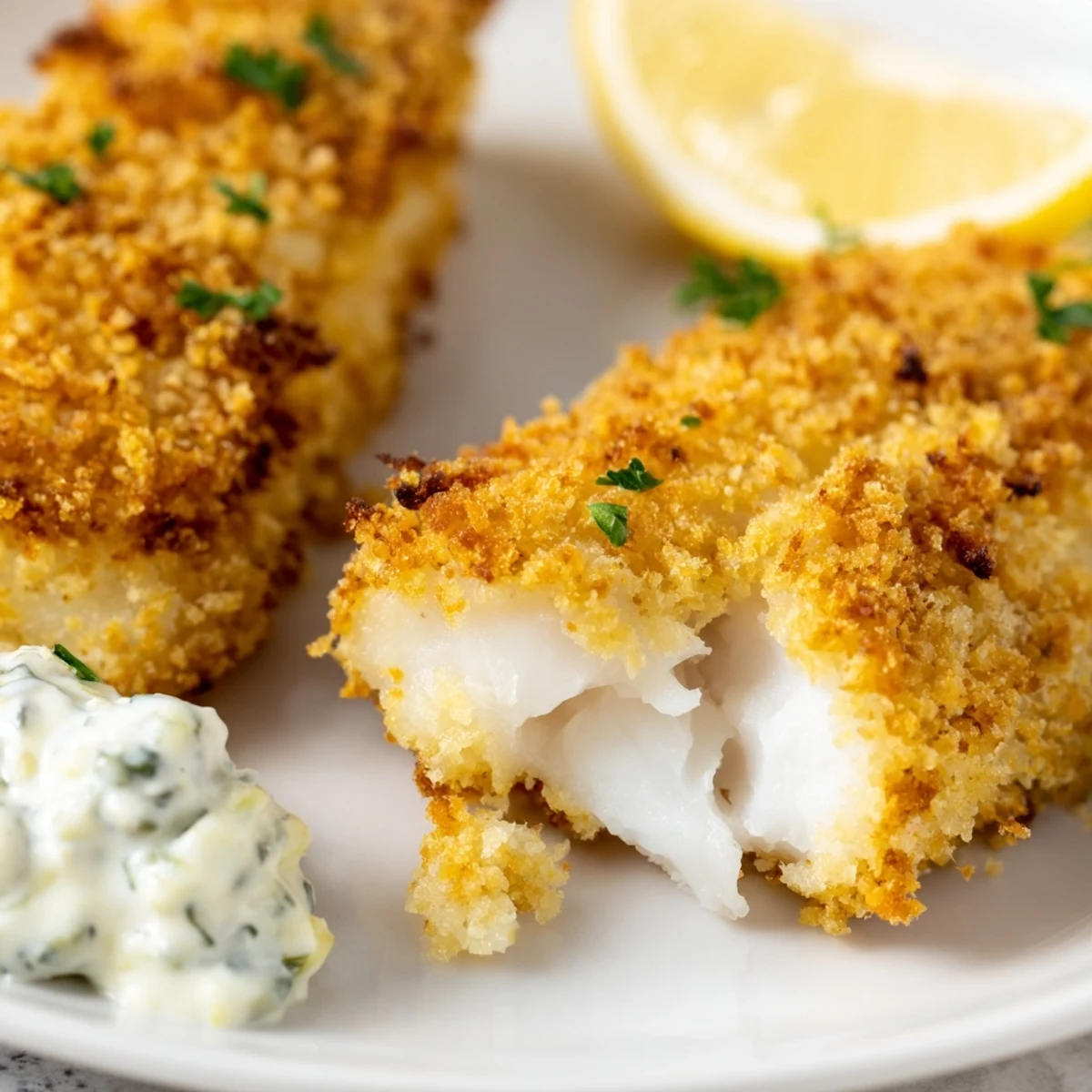
 This dish features crispy golden fish fillets made by coating fresh white fish in flour, eggs, and breadcrumbs before frying until perfectly golden. Accompanied by a zesty tartar sauce blending mayonnaise, Dijon mustard, pickles, capers, and lemon juice for a bright contrast. Ideal for an easy, comforting main course with a crisp texture and tangy flavor balance.
Preparation involves seasoning fish fillets lightly with salt and pepper, setting up a breading station, and frying until cooked through. The tartar sauce is simple to assemble and enhances the dish with fresh parsley and a hint of citrus.
The smell of frying fish hitting hot oil instantly transports me back to Friday nights at my grandmother's house, when the whole neighborhood seemed to know fish fry was happening. Her secret was letting the coated fish sit for ten minutes before frying, something I discovered only after years of having my breading slide off mid-fry. Now that craggy, golden crust sticking perfectly to each fillet feels like a small victory every single time.
Last summer, I made this for a group of skeptical friends who swore they only liked fish from restaurants. Watching their expressions change from polite curiosity to genuine delight after that first crispy bite reminded me why simple comfort food hits harder than anything complicated. Someone actually asked if I could teach them how to get the coating so perfectly golden and adhered.
Ingredients
- 4 white fish fillets: Cod, haddock, or pollock work beautifully because they hold up through frying without falling apart
- 1 teaspoon salt and ½ teaspoon black pepper: Season generously here since the breading needs proper seasoning from within
- 1 cup all-purpose flour: This creates the essential dry base that helps the egg wash grab onto the fish
- 2 large eggs whisked with 2 tablespoons milk: The milk makes the egg wash slightly thinner for more even coating coverage
- 1½ cups panko breadcrumbs: Panko gives that extra crispy, airy crunch that regular breadcrumbs just cannot match
- Vegetable oil for frying: You want about half an inch in your skillet, enough to come halfway up the fillets
- ½ cup mayonnaise mixed with 1 tablespoon Dijon mustard: This creamy base balances all the sharp elements in the sauce
- 2 tablespoons chopped pickles and 1 tablespoon capers: These provide the essential tangy crunch that defines great tartar sauce
- 2 teaspoons lemon juice and 1 tablespoon fresh parsley: Fresh brightness that cuts through the rich fried fish
Instructions
- Prep your fish for coating success:
- Pat the fillets thoroughly dry with paper towels, then season both sides generously with salt and pepper, letting them sit while you set up your breading station
- Set up three shallow bowls for dredging:
- Place flour in the first bowl, whisk eggs with milk in the second, and spread breadcrumbs in the third
- Coat each fillet in the proper order:
- Dredge fish in flour shaking off excess, dip in egg wash letting excess drip off, then press firmly into breadcrumbs to ensure thorough coverage
- Heat your oil until it shimmers:
- Pour about half an inch of vegetable oil into a large skillet and heat over medium-high until the surface ripples and shimmers
- Fry to golden perfection:
- Cook fillets for 3 to 4 minutes per side until deeply golden and cooked through, then transfer to a wire rack to drain
- Whip up the tartar sauce while oil heats:
- Combine mayonnaise, mustard, pickles, capers, lemon juice, and parsley in a small bowl, seasoning with salt and pepper to taste
- Serve while everything is hot and crisp:
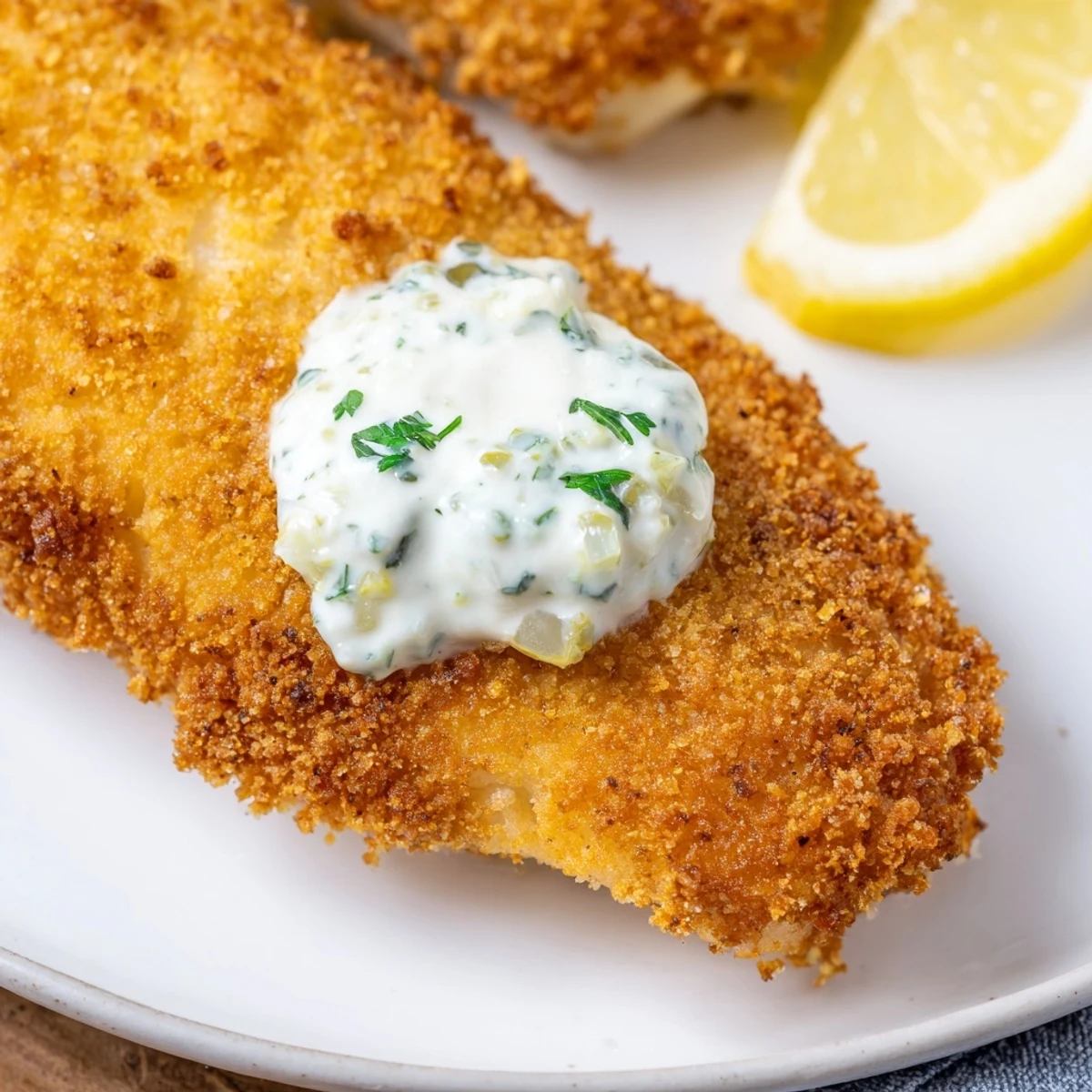
- Plate the fish immediately with a generous dollop of tartar sauce and lemon wedges on the side
 Save to feedthepins
 My aunt taught me that the best fish fry happens when you are not rushing, when the oil has time to reach perfect heat and the tartar sauce flavors have time to meld in the fridge. There is something meditative about the rhythm of dredging, dipping, and coating each fillet, hands dusted with flour and crumbs.
Choosing the Right Fish
White, mild fish with firm flesh works best for frying because it will not flake apart in the hot oil. I have found that slightly frozen fish is actually easier to coat cleanly than completely thawed fillets, which can get frustratingly soft.
Perfecting the Breading
Press the breadcrumbs firmly onto the fish rather than just sprinkling them on, and do not be afraid to get your hands messy. The pressure helps the coating adhere better, creating that satisfying crunch we are all after.
Serving Suggestions
A proper fish fry deserves worthy sides, though I have learned not to overcomplicate things. The tartar sauce really shines alongside simple companions.
- Crispy oven fries or hand-cut potato wedges
- A bright cabbage slaw to cut through the richness
- Lemon wedges for squeezing over everything
 Save to feedthepins
 There is honest joy in a perfectly executed fish fry, crispy and hot with that bright tangy sauce cutting through every bite.
Recipe Q&A
- → What type of fish is best for frying?
-
White fish fillets like cod, haddock, or pollock work best due to their mild flavor and firm texture, which holds up well during frying.
- → How can I make the fish extra crispy?
-
Using panko breadcrumbs and ensuring the oil is hot before frying helps achieve a crunchy, golden crust on the fish fillets.
- → Can I prepare the tartar sauce in advance?
-
Yes, the tartar sauce can be mixed ahead of time and refrigerated to allow the flavors to meld, making it even more vibrant when served.
- → What are good side dishes to serve?
-
Classic sides include fries, coleslaw, or a fresh green salad to complement the crunchy fish and tangy sauce.
- → Is there a gluten-free option for the breading?
-
Yes, substitute regular breadcrumbs with gluten-free crumbs to accommodate gluten sensitivities without sacrificing texture.