
 Save to feedthepins
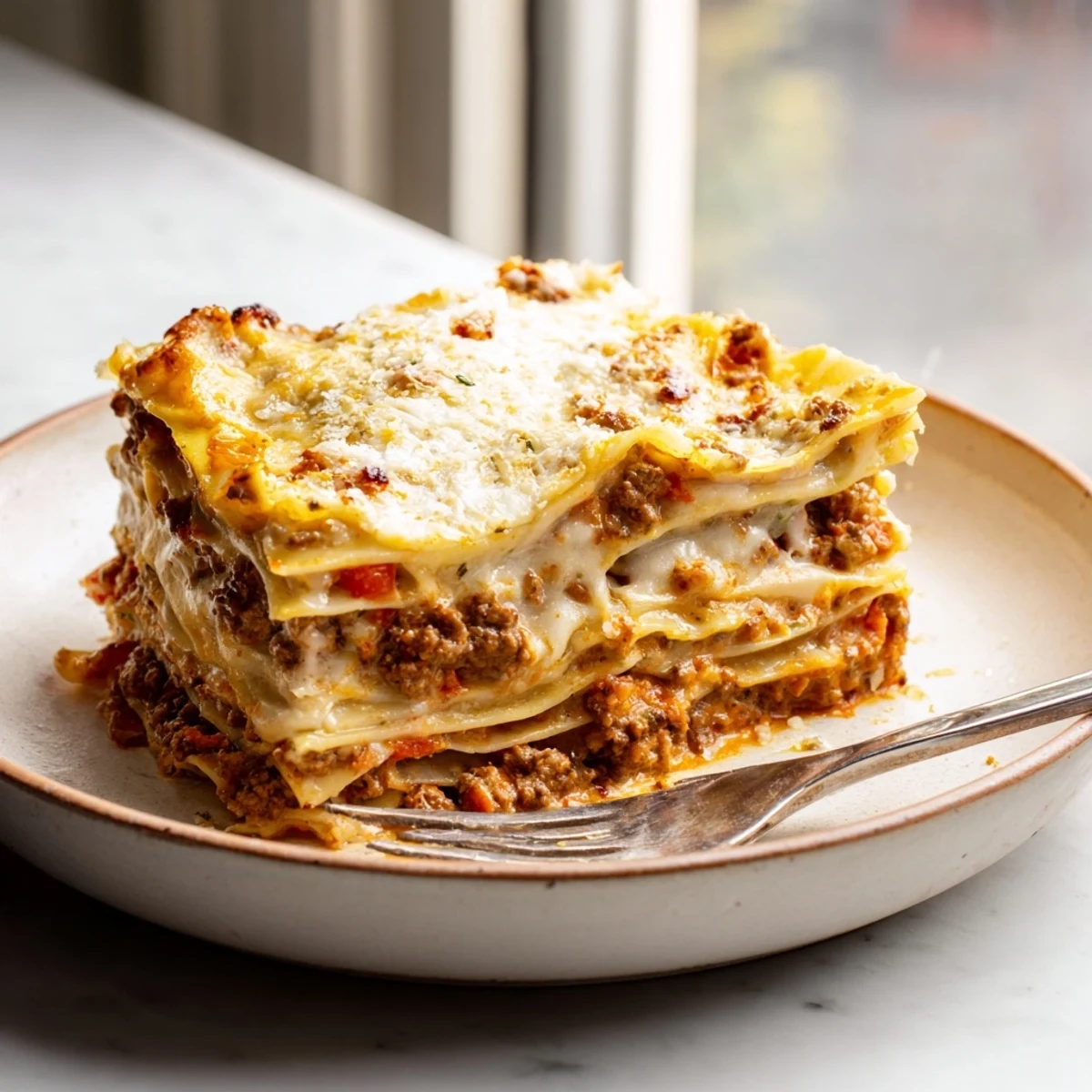
 This traditional Italian lasagne brings together slow-simmered beef ragù with aromatic vegetables, herbs, and wine. The homemade béchamel adds velvety richness between layers of pasta, while melted mozzarella and Parmesan create a golden, bubbling topping. Though preparation requires about 30 minutes, the hands-free simmering and baking time allows flavors to deepen beautifully. The result serves six generous portions and improves overnight, making it ideal for meal prep or entertaining.
The first time I attempted lasagne, I made the rookie mistake of skipping the rest period after baking. I cut into it immediately, and everything slid into a delicious puddle on the plate. Now I know those fifteen minutes of patience are what transforms this from messy pasta night into the kind of Sunday dinner that makes people linger at the table long after the wine bottles empty.
My grandmother never measured anything when she made lasagne, but she taught me that the secret lies in building distinct layers rather than mixing everything together. I still remember watching her spread the sauces with such precision, explaining that each bite should contain all three elements in perfect harmony.
Ingredients
- 2 tablespoons olive oil: Creates the foundation for your ragù, helping those aromatic vegetables release their flavors
- 1 large onion, 2 carrots, 2 celery stalks: This classic soffritto trio builds depth and sweetness that balances the tomatoes acidity
- 3 garlic cloves, minced: Add these after the vegetables soften so they do not burn and turn bitter
- 750 g ground beef: Choose beef with some fat content for better flavor and texture in the ragù
- 2 tablespoons tomato paste: Concentrates the tomato flavor and adds that rich umami quality
- 800 g canned crushed tomatoes: Look for San Marzano tomatoes for the best authentic Italian taste
- 125 ml dry red wine: Deglazes the pan and adds complexity, any drinkable red wine works beautifully
- 1 teaspoon each dried oregano and basil: Dried herbs hold up better than fresh in long simmered sauces
- 60 g unsalted butter: Forms the roux base for your béchamel, creating that luxurious creamy layer
- 60 g all-purpose flour: Thickens the milk sauce into a velvety smooth consistency
- 800 ml whole milk, warmed: Room temperature or slightly warm milk prevents lumps from forming
- ¼ teaspoon ground nutmeg: Just a pinch adds that classic French béchamel fragrance without overpowering
- 12 no-boil lasagne sheets: These absorb sauce perfectly during baking, eliminating the pre cooking step
- 150 g grated mozzarella and 60 g Parmesan: The mozzarella creates that irresistible cheese pull while Parmesan adds salty depth
Instructions
- Build your flavor foundation:
- Heat olive oil in a large skillet over medium heat, then add your diced onion, carrot, and celery. Cook them slowly for 6 to 8 minutes until they soften and turn fragrant, taking time to develop that sweet vegetable base.
- Add the aromatic layers:
- Stir in the minced garlic and let it cook for just one minute until fragrant, then add the ground beef. Break it up with your spoon as it cooks, letting it brown nicely and develop those crispy edges that add texture.
- Concentrate the flavors:
- Mix in the tomato paste and let it cook for two minutes, which caramelizes the sugars and deepens the color. Pour in the red wine and let it bubble away until mostly evaporated, leaving behind all that concentrated flavor.
- Simmer into perfection:
- Add the crushed tomatoes along with oregano, basil, salt, pepper, and sugar if needed. Let everything simmer uncovered for 30 to 40 minutes, stirring occasionally until the sauce thickens nicely and coats the back of your spoon.
- Start the béchamel base:
- Melt butter in a separate saucepan over medium heat, then whisk in the flour. Cook this roux for 1 to 2 minutes, stirring constantly to cook out the raw flour taste without letting it brown.
- Create the creamy sauce:
- Gradually whisk in the warm milk, about a cup at a time, letting each addition incorporate smoothly before adding more. Continue whisking for 6 to 8 minutes as the sauce thickens into a velvety consistency.
- Season and set aside:
- Remove the béchamel from heat and stir in nutmeg, salt, and white pepper. Set it aside, knowing it will thicken slightly as it stands while you prepare for assembly.
- Preheat and prepare:
- Heat your oven to 180°C (350°F) and grab a 23x33 cm baking dish. Spread a thin layer of ragù on the bottom first, this prevents the noodles from sticking and ensures even cooking.
- Layer by layer:
- Place your first layer of lasagne sheets, then spread one quarter of the ragù evenly over the pasta. Follow with one quarter of the béchamel, spreading it gently to cover the meat sauce completely.
- Repeat and build:
- Create three more identical layers of noodles, ragù, and béchamel, finishing with a final layer of béchamel on top. Sprinkle the mozzarella and Parmesan evenly across the entire surface.
- Protect and bake:
- Cover the dish loosely with foil and bake for 30 minutes, then remove the foil and continue baking for 15 to 20 minutes more. Watch for that beautiful golden brown crust and bubbling edges.
- The hardest part patience:
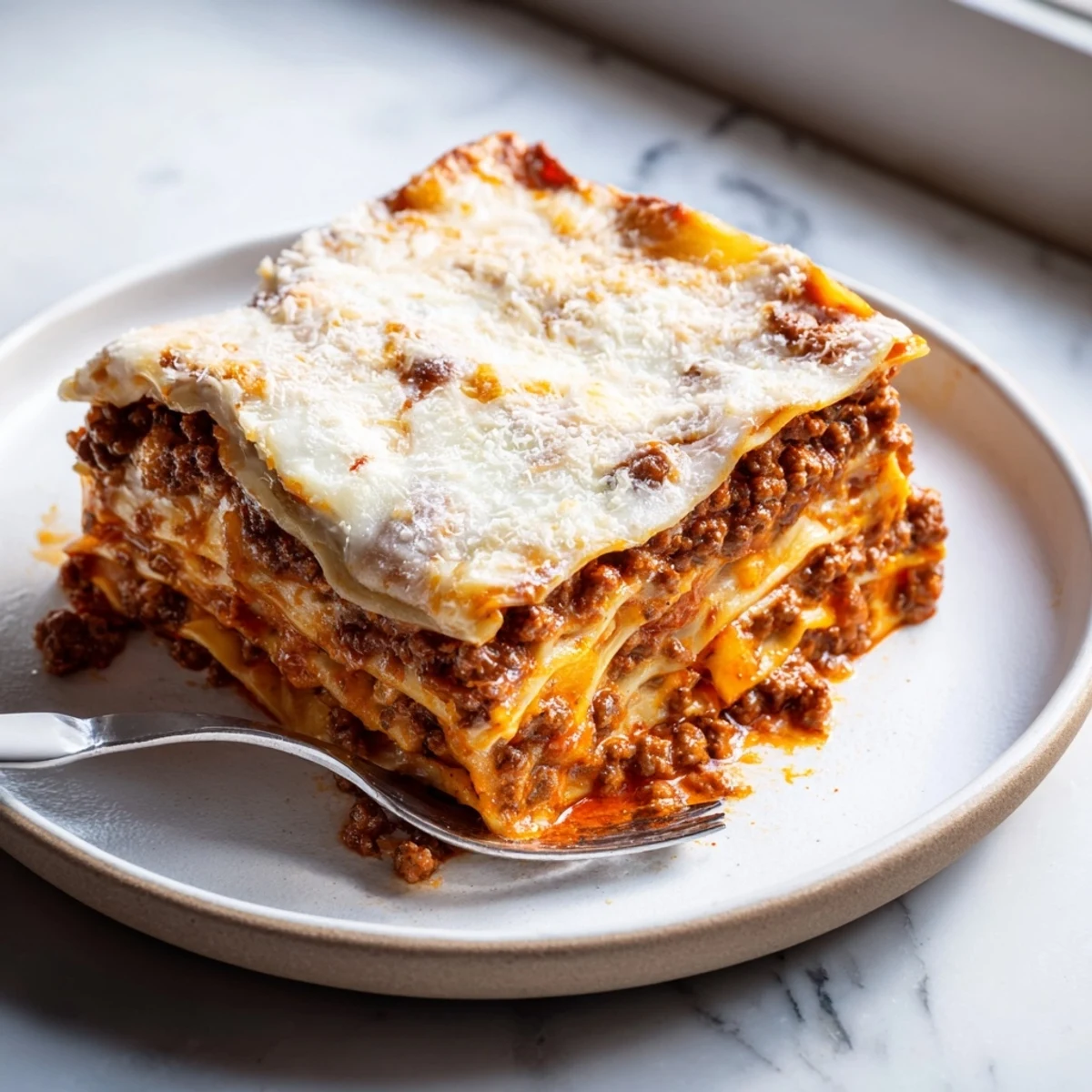
- Let the lasagne rest for 15 minutes before slicing. This crucial step lets the layers set and makes serving so much easier, giving you those perfect neat squares.
 Save to feedthepins
 My sister insisted on making this for her first dinner party as a newlywed, calling me in a panic when the béchamel looked lumpy. I talked her through whisking it vigorously off the heat, and it saved the night. Now she makes it with complete confidence, and it has become her signature request at family gatherings.
Make Ahead Magic
Lasagne actually improves when made a day ahead, allowing the flavors to meld and the layers to set completely. Assemble the entire dish, cover tightly, and refrigerate overnight before baking. You may need to add 5 to 10 minutes to the baking time since it will start cold.
Freezing Instructions
Wrap the unbaked lasagne extremely well with both plastic wrap and foil, then freeze for up to 3 months. Thaw overnight in the refrigerator before baking, or bake from frozen at 160°C (325°F) for about 90 minutes to 2 hours until heated through.
Serving Suggestions
A crisp green salad with a bright vinaigrette cuts through the richness perfectly, and garlic bread is practically mandatory. Let people serve themselves family style, the presentation of the layered cross section is part of the charm.
- Open a medium bodied Italian red like Chianti or Sangiovese about 30 minutes before serving
- Keep the red pepper flakes on the table for those who like a little heat
- Extra Parmesan passed around the table never hurts either
 Save to feedthepins
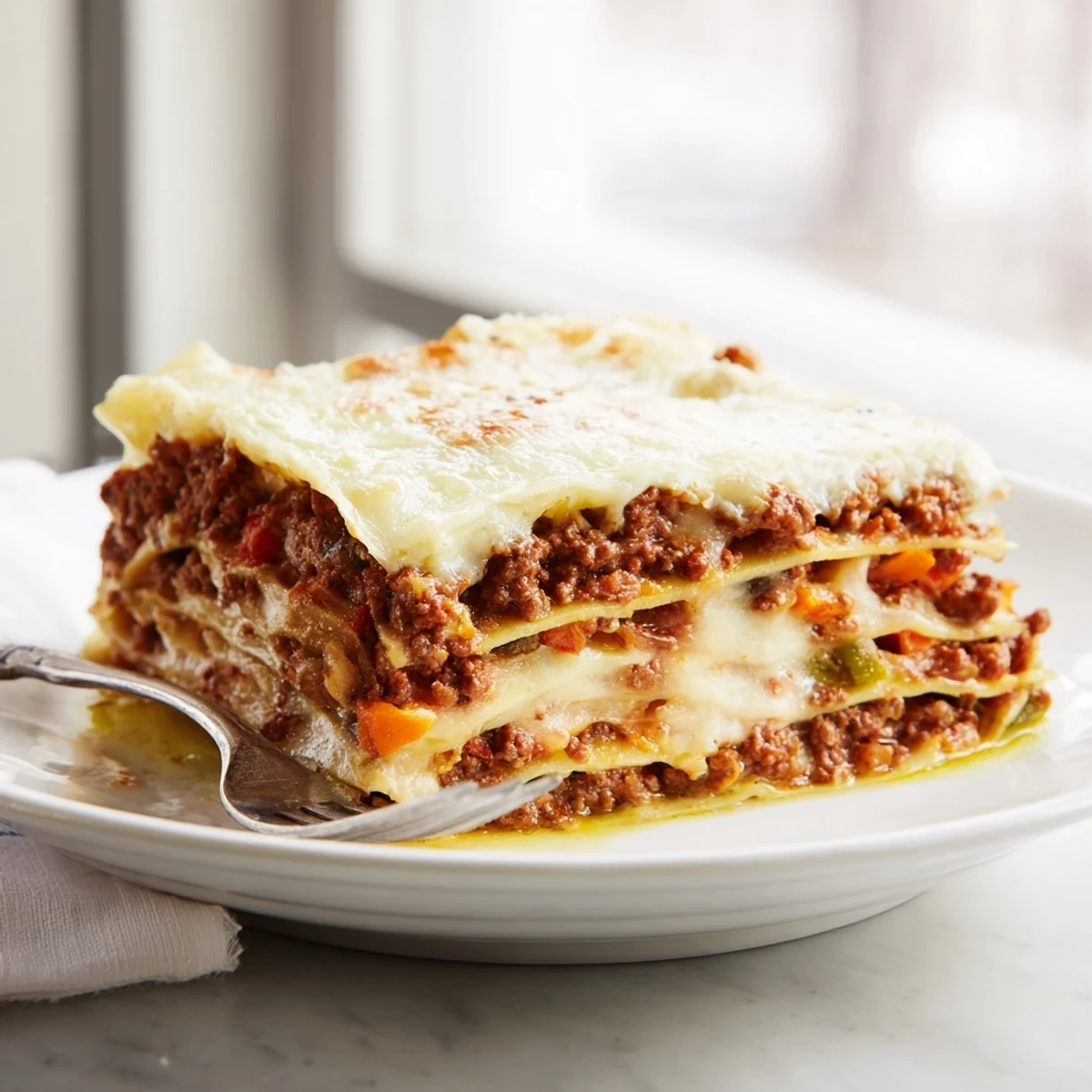
 There is something deeply satisfying about bringing a bubbling lasagne to the table, the way the aroma fills the entire house and draws everyone into the kitchen. This is the kind of meal that turns an ordinary Tuesday into something worth celebrating.
Recipe Q&A
- → Can I assemble lasagne ahead of time?
-
Yes, assemble completely and refrigerate up to 24 hours before baking. Add 10-15 minutes to baking time if baking cold from the refrigerator.
- → What's the purpose of resting lasagne before serving?
-
Resting for 15 minutes allows layers to set, making cleaner slices. The internal temperature also redistributes, ensuring even serving warmth throughout.
- → Can I freeze lasagne?
-
Absolutely. Freeze assembled (unbaked) lasagne wrapped tightly for up to 3 months. Thaw overnight in refrigerator before baking as directed.
- → Why does my ragù need sugar?
-
Sugar balances acidity from canned tomatoes, creating a rounded, sweeter flavor profile. It's optional but recommended if tomatoes taste particularly tart.
- → What can I substitute for red wine?
-
Use additional beef broth or grape juice for similar depth. Non-alcoholic options work well, though wine adds complexity to the ragù's flavor.
- → How do I know when béchamel is thick enough?
-
The sauce is ready when it coats the back of a spoon and leaves a clean trail when you run your finger through it. This typically takes 6-8 minutes of constant whisking.