
 Save to feedthepins
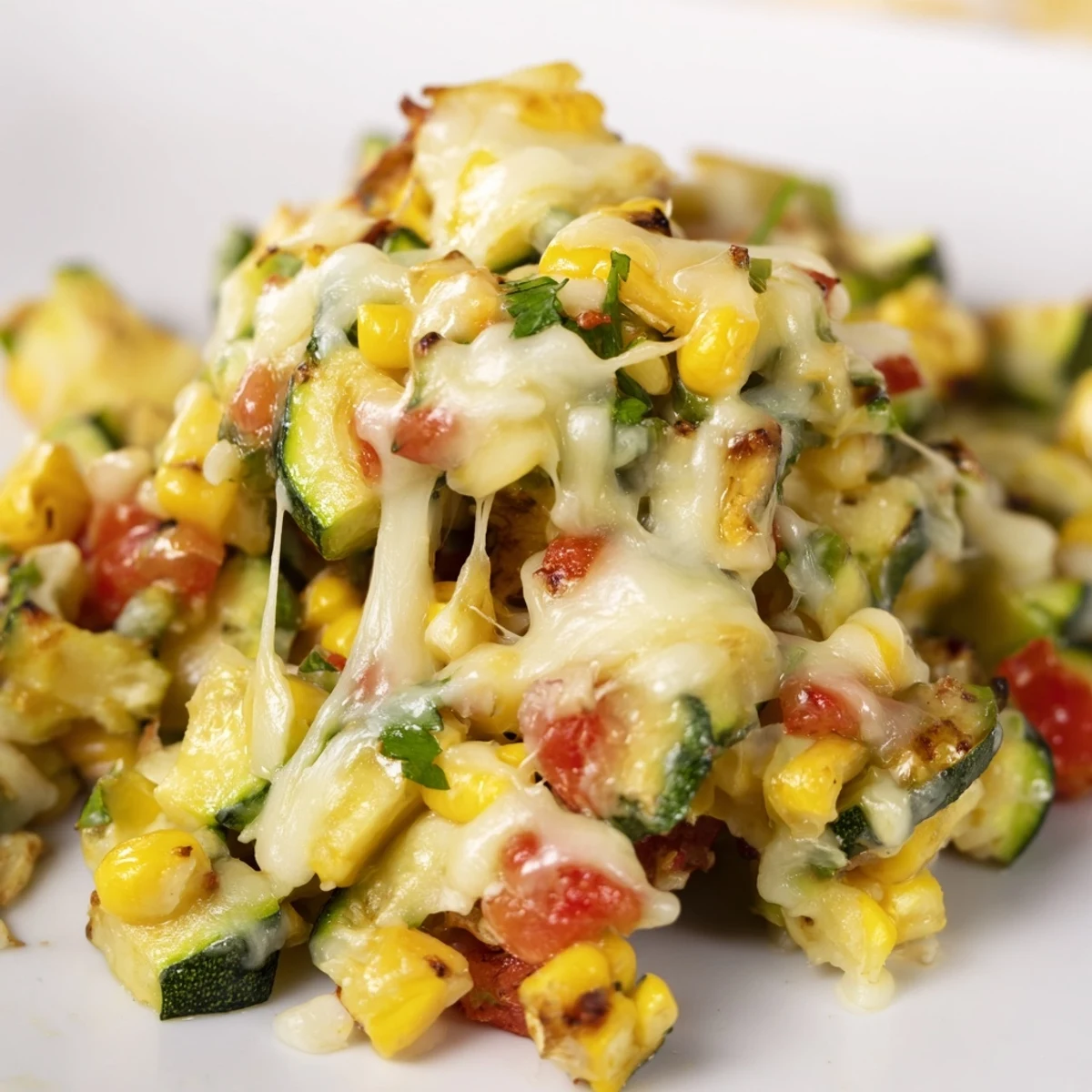
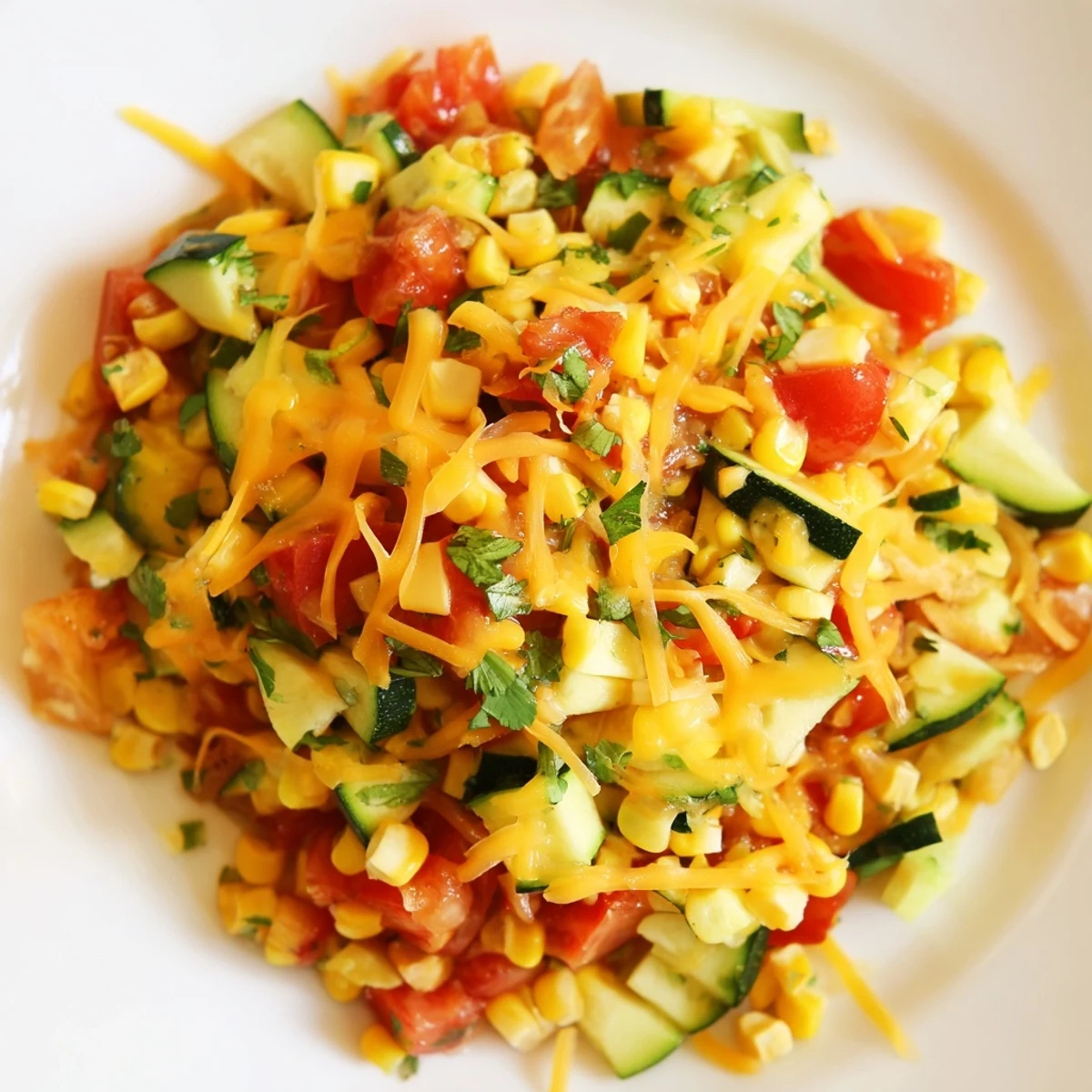
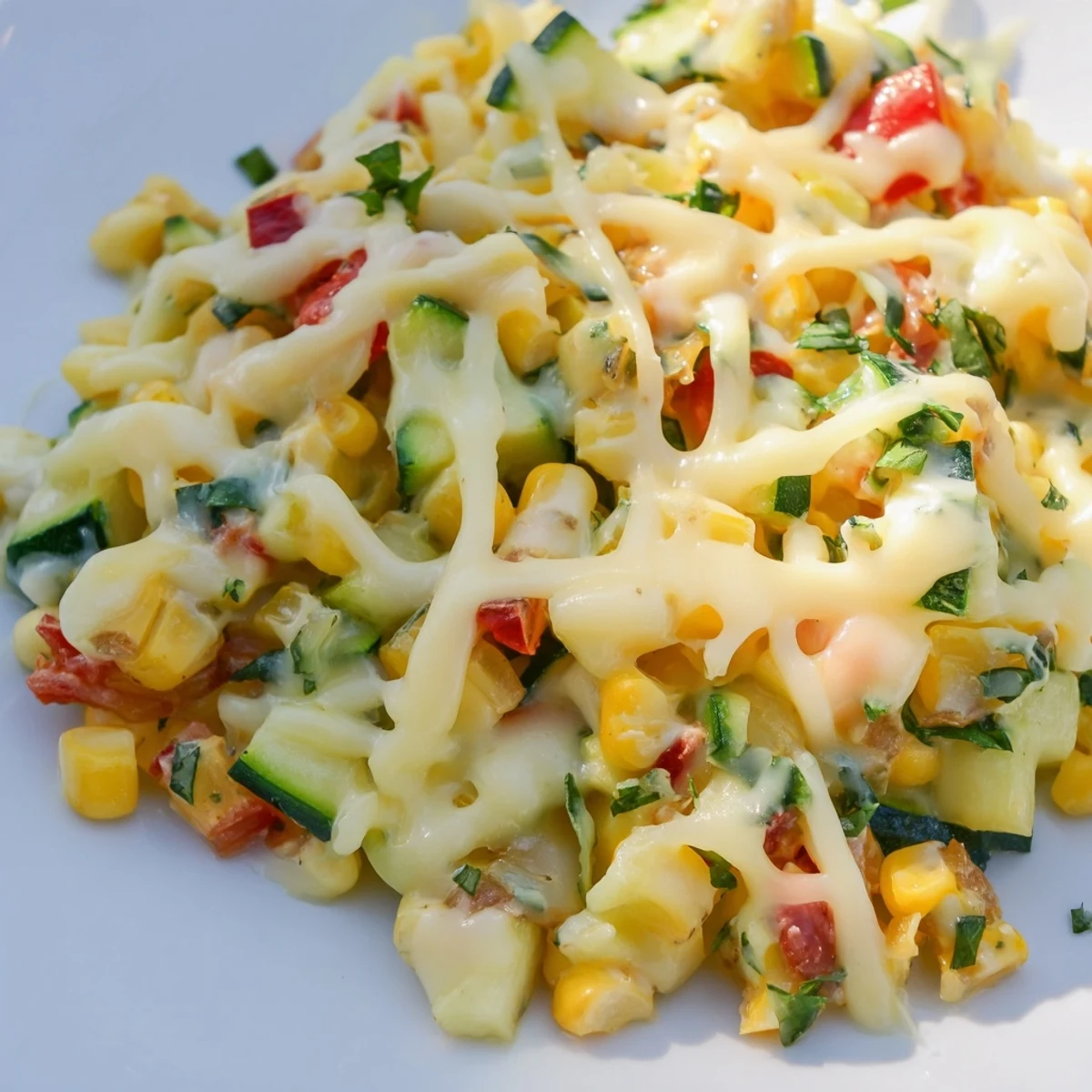
 This traditional Mexican dish combines tender cubes of zucchini with sweet corn kernels, ripe tomatoes, and mild poblano peppers. The vegetables sauté slowly in olive oil along with aromatic onions and garlic, allowing flavors to meld together beautifully. Ground cumin and dried oregano add authentic depth, while fresh cilantro brings brightness to every bite.
The preparation is straightforward—simply dice the vegetables, cook them until just tender, and finish with crumbled queso fresco or Monterey Jack. The result is a colorful, satisfying dish that works wonderfully as a side alongside grilled meats or as a hearty vegetarian main served with warm tortillas.
Ready in about 35 minutes, calabacitas offer a delicious way to enjoy summer's bounty. The natural sweetness of corn complements the mild zucchini perfectly, while the melted cheese adds richness. Customize the heat level by adding jalapeño, or keep it mild for family-friendly dining.
The smell of poblano peppers hitting hot oil always takes me back to my friend Maria's tiny kitchen in Austin, where she taught me that calabacitas isn't just a side dish, it's a whole mood. We stood shoulder to shoulder, chopping vegetables while her kids ran around, and she showed me how the cheese melts into the warm vegetables creating these incredible creamy pockets. I've made it dozens of times since, but somehow it never tastes quite as perfect as it did that rainy Tuesday evening.
Last summer I made a huge batch for a neighborhood potluck, and honestly, I was nervous. My neighbor's abuela took one bite, raised her eyebrows, and asked for the recipe. That might have been the biggest cooking compliment I've ever received. Now it's my go-to when I need something that feels comforting but still impresses people.
Ingredients
- 2 medium zucchini, diced: Look for firm, dark green squash without soft spots. Fresh zucchini holds its texture better during cooking, avoiding that mushy result nobody wants.
- 1 cup fresh or frozen corn kernels: Fresh corn is sweeter and crisper, but frozen works perfectly. If using frozen, no need to thaw first, just toss it in.
- 1 medium yellow onion, diced: Yellow onions become sweeter as they cook, providing a subtle base that doesn't overpower the delicate vegetables.
- 1 medium tomato, diced: Roma tomatoes work beautifully because they're fleshier with less water. This prevents your dish from becoming too soupy.
- 1 medium poblano pepper, seeded and diced: Poblanos offer mild heat and a smoky, earthy flavor that's essential to authentic calabacitas. Remove all membranes and seeds for less spice.
- 2 cloves garlic, minced: Fresh garlic transforms the dish. Avoid pre-minced jarred garlic here, it can taste bitter and lacks the aromatic punch you need.
- 2 tablespoons fresh cilantro, chopped: Cilantro adds brightness and cuts through the rich cheese. Some people love it, some don't, but it's traditional and worth trying.
- 1/2 cup crumbled queso fresco or shredded Monterey Jack: Queso fresco is authentic and salty, but Monterey Jack melts beautifully. Use what you can find, both work wonderfully.
- 2 tablespoons olive oil: Enough to coat the bottom of your pan and help the vegetables develop those gorgeous golden edges without sticking.
- 1/2 teaspoon ground cumin: Cumin adds that warm, earthy Mexican flavor profile. Toast it briefly in the hot pan before adding vegetables to wake up its oils.
- 1/2 teaspoon dried oregano: Mexican oregano has a citrusy, slightly bitter note that's different from Italian oregano. Use Mexican if you can find it.
- Salt and freshly ground black pepper: Season generously but taste as you go. The cheese adds saltiness, so adjust accordingly near the end.
Instructions
- Heat your pan and start the aromatics:
- Pour the olive oil into a large skillet over medium heat. You'll know it's ready when it shimmers and moves fluidly across the pan surface, then add your onion and poblano pepper.
- Build the flavor foundation:
- Sauté the onion and pepper for 3 to 4 minutes, stirring occasionally. You want them softened and fragrant, not browned or crispy. The kitchen should start smelling amazing right about now.
- Add the garlic:
- Stir in the minced garlic and cook for just 30 seconds. Watch closely here because garlic can turn bitter quickly, and you want it golden and fragrant, not browned.
- Add the main vegetables:
- Toss in the zucchini, corn, and tomato. Sprinkle with cumin, oregano, salt, and pepper. Everything should smell incredibly aromatic at this point.
- Cook to tender-crisp perfection:
- Cook for 8 to 10 minutes, stirring occasionally. The vegetables should be tender but still hold their shape. You're not making soup, you want distinct pieces of vegetable in every bite.
- Finish with cheese and herbs:
- Remove the pan from heat and stir in half the cheese plus the chopped cilantro. The residual heat will melt the cheese just enough to bind everything together.
- Taste and adjust:
- This is crucial. Taste your calabacitas and add more salt or pepper if needed. Remember the remaining cheese will add more saltiness, so don't overdo it.
- Final presentation:
- Transfer everything to a serving dish, top with the remaining cheese and extra cilantro, and serve with lime wedges on the side. The bright lime cuts through the richness beautifully.
 Save to feedthepins
 This dish has become my comfort food of choice, the thing I make when everything feels overwhelming and I need something warm and familiar. There's something about the combination of sweet corn and tender zucchini that feels like a hug, especially when it's raining outside and the house smells like roasted peppers and melting cheese.
Making It Your Own
I've learned that calabacitas is incredibly forgiving. Sometimes I add yellow squash along with the zucchini for color variation. Other times, when I want more protein, I'll toss in black beans near the end. My sister adds diced potatoes and makes it more like a main dish hash. The beauty is in its adaptability to whatever you have on hand.
Serving Ideas That Work
Beyond being a perfect side dish, calabacitas transforms leftovers completely. I love spooning it into warm tortillas for quick tacos, or serving it over cilantro lime rice for an easy vegetarian dinner. It's also incredible alongside grilled chicken or fish, adding that bright, fresh element that balances heavier proteins.
Make-Ahead Magic
Calabacitas actually tastes better the next day, which makes it perfect for meal prep. The flavors meld and develop beautifully overnight in the refrigerator. Just reheat gently with a splash of water to refresh it, though eating it cold straight from the container isn't a terrible option either, not that I'd know from experience.
- Store in an airtight container for up to 4 days
- Freeze for up to 3 months if you want to batch cook
- Add fresh cheese and cilantro when reheating to maintain texture
 Save to feedthepins
 I hope this recipe finds its way into your regular rotation, bringing you the same comfort and joy it's brought me over the years. There's something special about dishes that nourish both body and soul.
Recipe Q&A
- → What does calabacitas mean?
-
Calabacitas translates to 'little squashes' in Spanish. The dish refers to this traditional Mexican preparation featuring zucchini or squash as the star ingredient, combined with corn, tomatoes, and peppers in a savory sauté.
- → Can I make calabacitas ahead of time?
-
Yes, calabacitas reheats beautifully. Store in an airtight container in the refrigerator for up to 3 days. Reheat gently in a skillet over medium-low heat, adding a splash of water if needed to prevent sticking. Add fresh cheese and cilantro just before serving.
- → What cheese works best in calabacitas?
-
Queso fresco is traditional and adds a mild, fresh flavor that doesn't overwhelm the vegetables. Monterey Jack, Chihuahua cheese, or even cotija work well too. For a dairy-free version, try vegan cheese shreds or simply omit the cheese—the vegetables are flavorful on their own.
- → Is calabacitas supposed to be spicy?
-
Traditional calabacitas is not typically spicy—the poblano pepper adds flavor without significant heat. If you enjoy spice, add minced jalapeño or serrano along with the onions. The dish is quite flexible and can be adjusted to suit any heat preference.
- → Can I use frozen corn instead of fresh?
-
Absolutely. Frozen corn works perfectly in calabacitas and is often available year-round. There's no need to thaw first—simply add the frozen kernels directly to the skillet when you add the zucchini. The cooking time remains the same.
- → What should I serve with calabacitas?
-
Calabacitas pairs wonderfully with grilled chicken, steak, or fish. It's also delicious served alongside rice and beans, stuffed into tacos, or enjoyed as a vegetarian main with warm tortillas. The dish complements many Mexican entrées and makes a colorful addition to any table.