
 Save to feedthepins
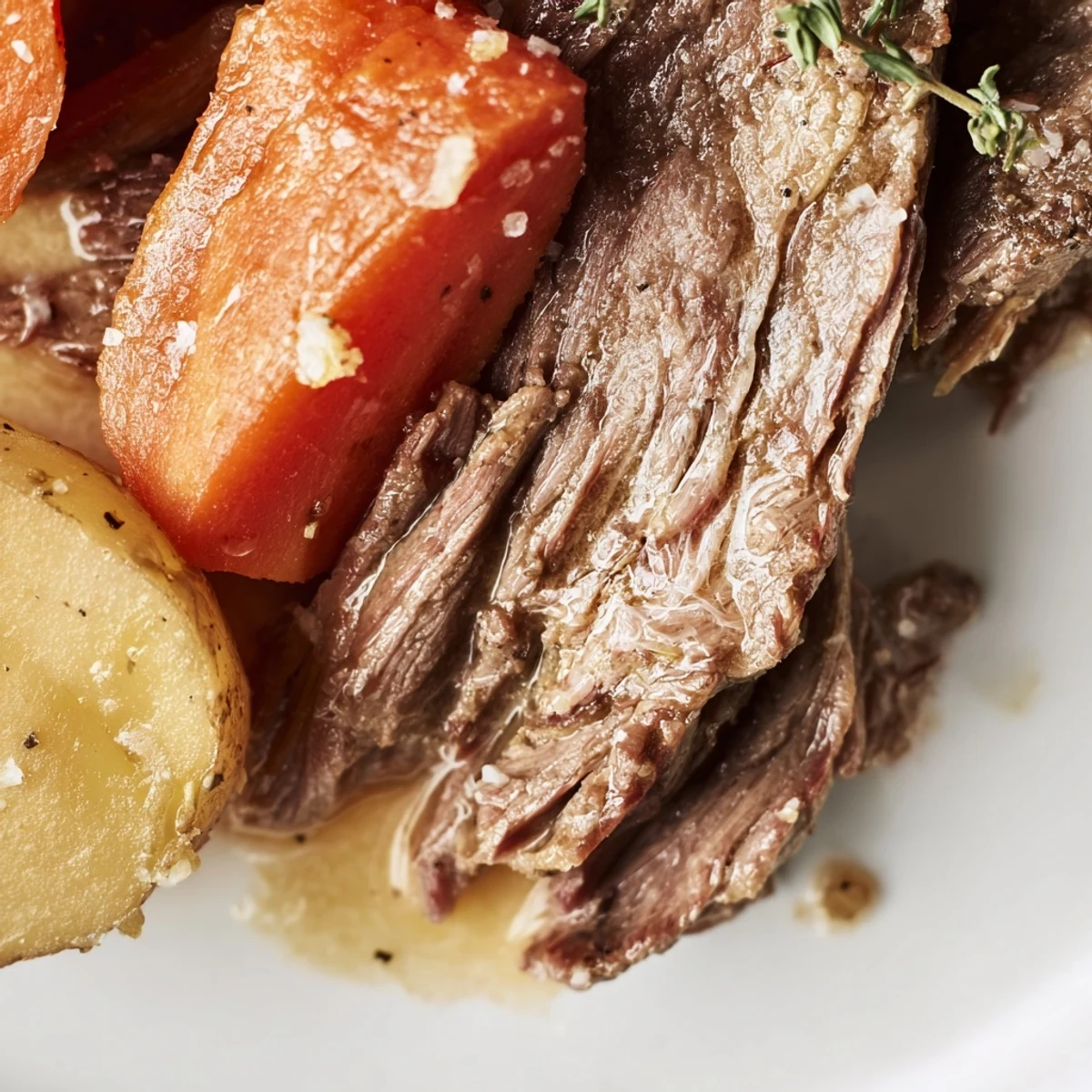
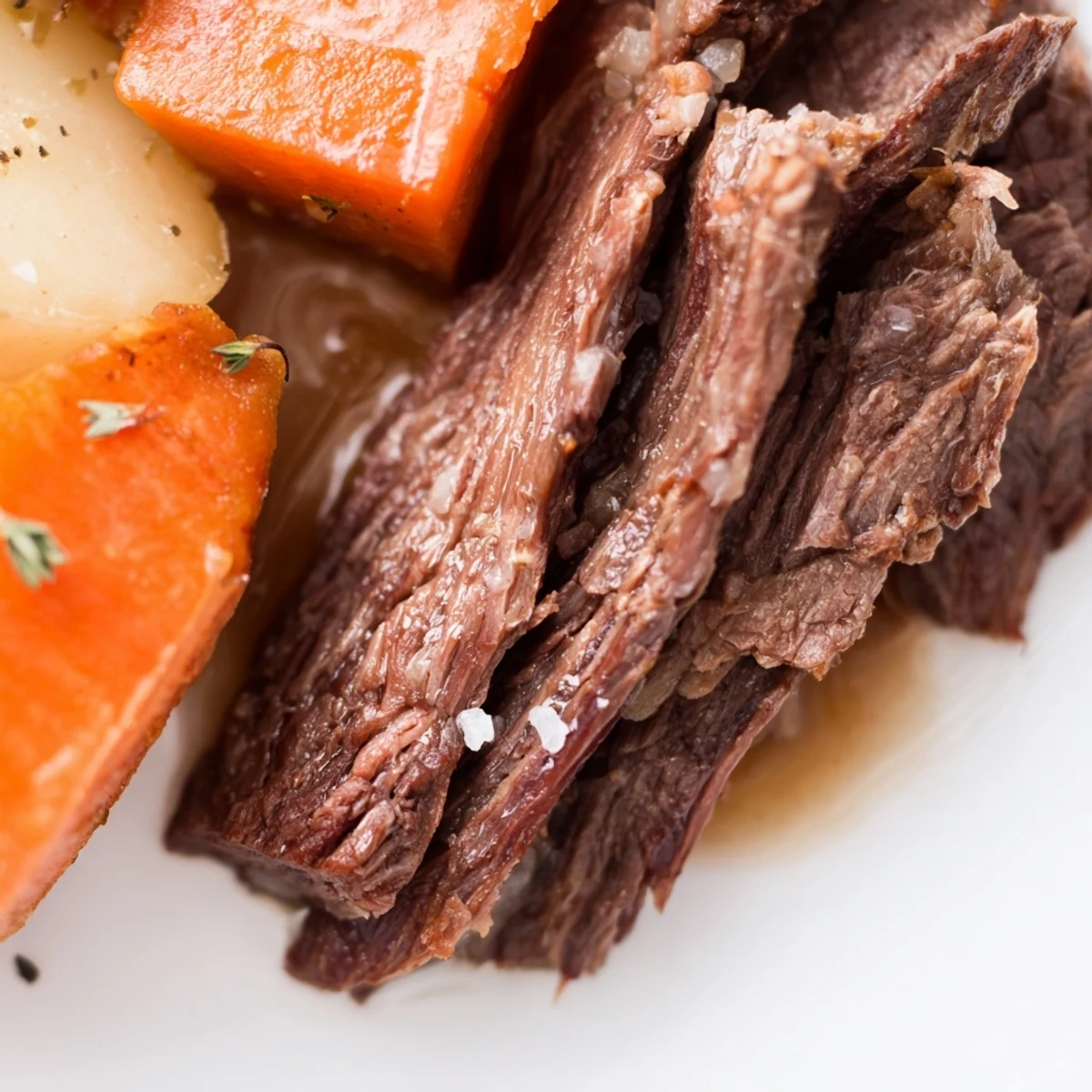
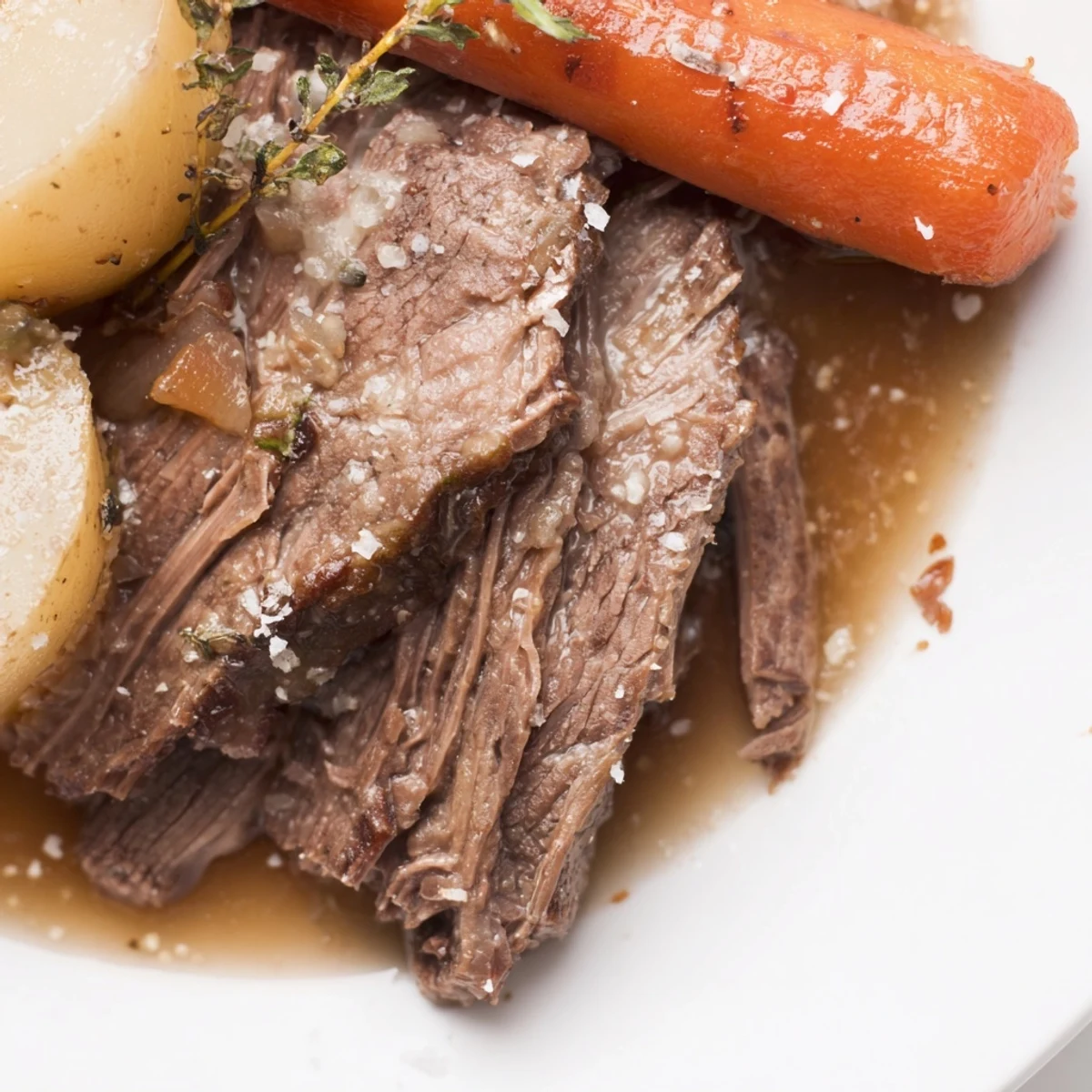
 This dish features a succulent beef chuck roast seared to a deep brown before slow roasting with carrots, potatoes, onions, celery, and garlic. Seasoned with thyme, rosemary, and bay leaves, and enriched with beef broth and optional red wine, it creates a rich and hearty meal. The roast rests after cooking to retain juices, making it perfect for slicing and serving with pan juices. Ideal for a comforting family dinner and easily adapted with vegetable substitutions or enhanced sauces.
There's something about a beef roast that fills your kitchen with this deep, savory warmth that makes everyone pause and breathe it in before they even sit down. I learned to make this version years ago when someone brought a Dutch oven to a potluck and mentioned casually that you could throw beef and vegetables together and let the oven do most of the thinking. It became my go-to dinner when I needed to feel like I was cooking something impressive without hovering over the stove.
I remember making this for my neighbor one Sunday when she mentioned she'd been eating takeout all week. She sat at my kitchen island while I worked, and the smell started working its magic around hour one—by the time we pulled it from the oven, she was already looking hungry. That's when I realized this recipe doesn't just feed people; it tells them they're worth the slow, careful cooking.
Ingredients
- Beef chuck roast (1.5 kg / 3.3 lbs): Chuck has enough fat and connective tissue that it breaks down into tenderness during long cooking, turning what could be tough meat into something silky and rich.
- Carrots, potatoes, celery, onions, and garlic: These aren't just filler—they create a vegetable base that sweetens as it roasts, and they thicken the pan juices naturally as they break down.
- Olive oil (2 tbsp): High enough heat for a proper sear that locks flavor into the meat and builds those golden crusty bits at the bottom of the pot.
- Kosher salt and black pepper: Season generously before searing; this is where most of your seasoning happens, so don't hold back.
- Dried thyme and rosemary (1 tsp each): These herbs mellow into the beef during cooking instead of tasting sharp, becoming part of the dish rather than sitting on top of it.
- Bay leaves (2): They add a subtle depth that's hard to pinpoint but noticeable when missing—remove them before serving, though, as they stay tough.
- Beef broth (500 ml) and red wine (120 ml, optional): The liquid creates steam that cooks the meat gently while building sauce; the wine adds complexity and tannins that make the beef taste richer.
Instructions
- Heat your oven and prep the roast:
- Set your oven to 160°C (325°F) so it's ready when you need it. Pat the beef completely dry with paper towels—this matters more than you'd think, because dry meat sears instead of steams. Season all sides generously with salt and pepper and let it sit for a minute while you get your pot ready.
- Sear the beef until it's dark golden:
- Heat olive oil in your Dutch oven over medium-high heat until it shimmers and moves easily across the surface. Place the roast in and listen for that immediate sizzle; if you don't hear it, wait another minute. Sear each side for about 2 minutes until you see deep brown crust forming, then set the meat aside on a plate.
- Build flavor with the vegetables:
- In the same pot with all those browned bits stuck to the bottom, add onions, carrots, celery, and garlic. Stir them for about 4 minutes until they start to soften and smell sweet—you're not looking for them to fully cook, just to begin releasing their juices and flavor into the pot.
- Layer everything and add liquid:
- Return the beef roast to the pot and arrange potatoes, thyme, rosemary, and bay leaves around it. Pour in the beef broth and red wine if you're using it, then bring everything to a gentle simmer on the stovetop so you can see steam rising.
- Cover and roast low and slow:
- Cover the pot tightly and transfer it to your preheated oven. Let it roast undisturbed for 2 to 2.5 hours, checking once around the 2-hour mark by piercing the thickest part of the beef with a fork—it should give with almost no resistance. The vegetables should be completely tender and the meat should be falling-apart soft.
- Rest and serve:
- Pull everything from the oven and let the roast rest on the cutting board for 10 minutes before slicing; this keeps the meat from drying out as you cut through it. Slice against the grain, arrange with vegetables on a plate, and drizzle everything with those pan juices that should taste rich and savory.
 Save to feedthepins
 One winter, I made this roast on a day when the house felt too quiet, and by the time people arrived, the smell had already made them feel welcome before they even took their coats off. That's when I understood that some recipes aren't about showing off your skills—they're about creating a reason for everyone to sit together.
Building Deeper Flavor
The magic of this roast lives in the sear. When you take time to brown the beef on all sides before adding liquid, you're not just cooking the surface—you're building a foundation of flavor that lives in every bite through the entire braise. I learned this after rushing through the searing step once and tasting the difference for the next two hours of cooking. The vegetables matter too, especially the onions and celery, because as they break down in the heat, they release natural sugars that turn the pan juices into something that tastes like it took all day to make, even though you've barely touched it since it went in the oven.
Customizing to Your Kitchen
This recipe is flexible without losing what makes it work. I've substituted parsnips for half the potatoes when I wanted something sweeter, or added turnips for an earthier note. Some people skip the red wine entirely and use an extra cup of broth, which is fine—you'll lose a little complexity, but you'll still end up with tender beef and a silky sauce. The beauty is that you're not locked into exact proportions as long as you keep the ratio of meat to vegetables and liquid roughly the same.
Making It Your Own
The pan juices are your canvas for finishing the dish however you like. Some nights I serve them as-is, letting everyone taste the concentrated beef and vegetable flavor. Other times, if I want something silkier, I'll remove the roast and vegetables, then let the juices simmer on the stove for 10 minutes to reduce, or I'll mix a slurry of cornstarch and water and stir it in to thicken things up. Either way, this roast tastes best when you treat the cooking as a starting point, not a strict ending.
- Taste the pan juices before serving and adjust salt if needed—sometimes they need just a pinch more to taste fully themselves.
- Slice against the grain of the beef, which makes each bite tender rather than chewy.
- Serve while everything is still warm, because this dish loses its comfort factor when it cools down.
 Save to feedthepins
 This roast has become my recipe for both quiet Sundays and loud family dinners, because it works for any mood and always tastes like someone spent the afternoon thinking about the people eating it. That's really what slow cooking is about.
Recipe Q&A
- → What cut of beef works best for this dish?
-
A beef chuck roast is ideal for slow roasting as it becomes tender and flavorful during cooking.
- → Can I substitute the vegetables used in this dish?
-
Yes, parsnips or turnips can replace potatoes for a different but complementary flavor and texture.
- → Is it necessary to sear the beef before roasting?
-
Searing seals in juices and develops a rich, browned crust that enhances the overall flavor of the roast.
- → How can I thicken the pan juices into a sauce?
-
After removing roast and vegetables, simmer the juices to reduce or thicken with a slurry of cornstarch and water for a smooth sauce.
- → What wine pairs well with this beef and vegetable dish?
-
A robust red wine like Cabernet Sauvignon complements the flavors and richness of the roast and vegetables.