
 Save to feedthepins
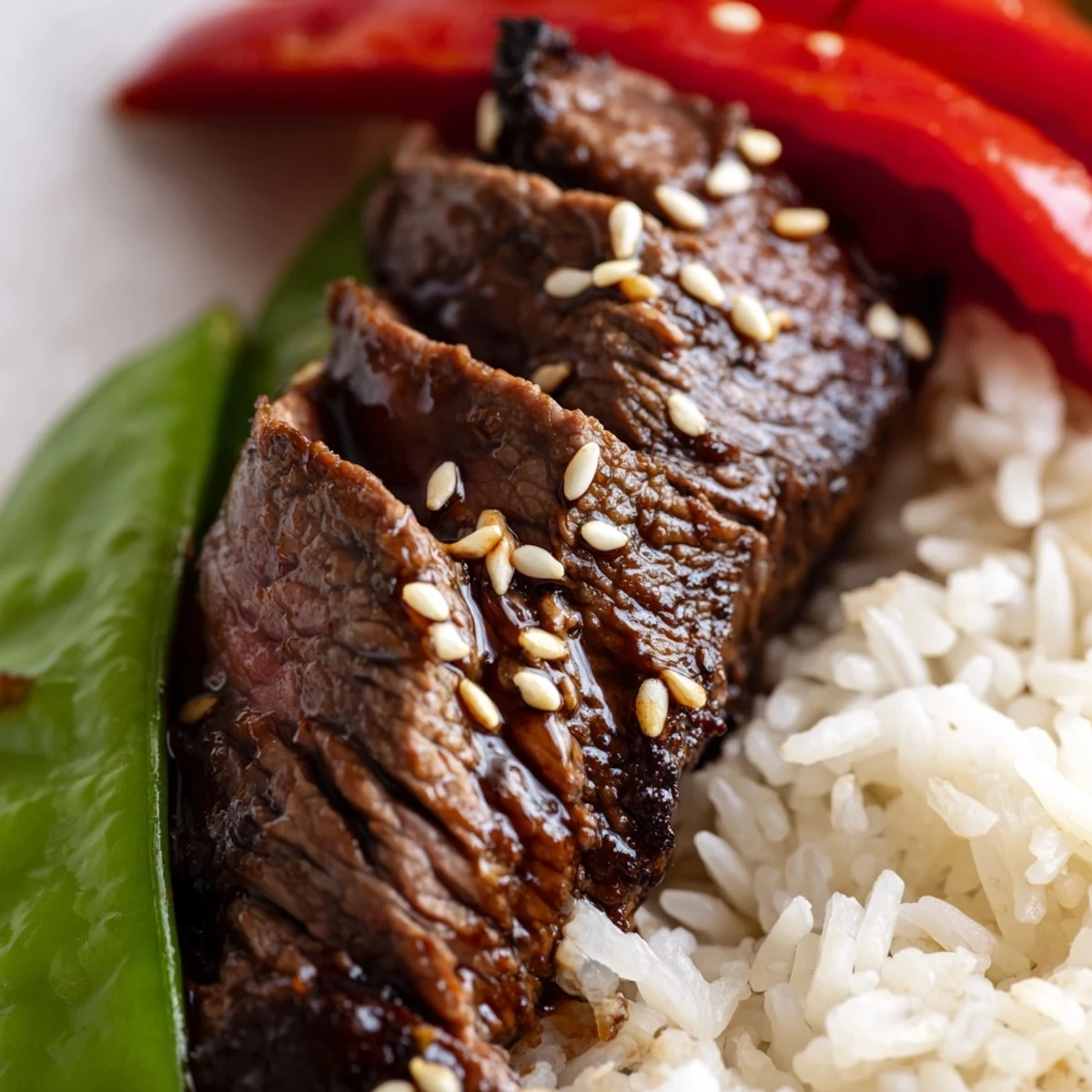
 This hearty bowl combines thinly sliced seared beef with julienned carrots, bell peppers, and crisp snap peas. Tossed in a rich garlic-ginger sauce and served over fluffy steamed rice, it offers a satisfying balance of protein and fresh veggies. Perfect for a quick, flavorful meal that comes together in just 35 minutes.
I stumbled onto this bowl on a Tuesday when I had nothing in the fridge but beef and rice, and somehow it became the lunch I crave on hectic workdays. There's something about how quickly it comes together that made me keep making it, tweaking the sauce until it tasted exactly right. Now it's become my go-to when I need something satisfying but not complicated, something that feels like a proper meal even when I'm eating at my desk.
I made this for my sister when she came over complaining she was tired of salads, and watching her eat three bowls in a row was exactly the kind of quiet victory I needed that week. She asked for the recipe immediately, which is how I knew I'd nailed it.
Ingredients
- Beef sirloin or flank steak (400 g): Thinly sliced beef stays tender when you cut against the grain and gives you those satisfying bites that make the bowl feel substantial.
- Soy sauce (1 tbsp for beef, 2 tbsp for sauce): This is your umami anchor, but use a good quality one because the flavor difference is real.
- Cornstarch (1 tbsp): This tiny ingredient is what gives the beef that silky coating and helps the sauce cling beautifully.
- Vegetable oil (1 tbsp): Keep it neutral so it doesn't compete with the other flavors.
- Jasmine or basmati rice (300 g): Jasmine rice absorbs the sauce better and stays fluffier than long-grain varieties.
- Water (600 ml) and salt (½ tsp): The ratio matters more than you'd think, and salting the water makes a difference in every grain.
- Carrot (1 medium, julienned): Julienning takes an extra minute but gives the bowl that elegant restaurant feel.
- Red bell pepper (1, sliced): The sweetness balances the salty sauce perfectly.
- Sugar snap peas (100 g): They stay crisp when you don't overcook them, adding that textural contrast that makes eating interesting.
- Cucumber (1 small, sliced): Fresh and cool, this is the surprise element that brightens everything.
- Spring onions (2, thinly sliced): The sharpness cuts through the richness of the sauce like a little flavor spark.
- Oyster sauce (1 tbsp): This sounds fancy but adds a depth that soy sauce alone can't achieve.
- Honey (1 tbsp): Just enough to round out the salty notes without making it sweet.
- Sesame oil (1 tsp): A little goes a long way, and this is where you get that nutty finish.
- Garlic (1 clove, minced) and fresh ginger (1 tsp, grated): These wake up the whole sauce with warmth and brightness.
- Rice vinegar (1 tbsp): The acid is essential, cutting through everything and making the flavors sharper.
- Toasted sesame seeds (1 tbsp): Toasting them yourself if you have time makes them taste so much richer.
- Fresh coriander (optional): If you like it, a handful at the end adds a fresh herbaceous note.
Instructions
- Start the rice first:
- Rinse it under cold water until the water runs clear, which sounds tedious but actually rinses away starch and makes everything fluffier. Combine with water and salt, bring to a boil, reduce heat, cover, and simmer for 12–15 minutes until the water is absorbed, then let it sit covered for 5 minutes while you finish everything else.
- Coat the beef:
- Toss your beef slices with soy sauce and cornstarch in a bowl, making sure every piece is evenly coated. This is what gives the beef that silky texture and helps it brown beautifully.
- Whisk the sauce:
- Combine soy sauce, oyster sauce, honey, sesame oil, minced garlic, grated ginger, and rice vinegar in a small bowl and whisk until the honey dissolves. Taste it if you want to (you should, because this is where the flavor actually happens) and adjust if something feels missing.
- Sear the beef:
- Heat vegetable oil in a large skillet or wok over medium-high heat until it shimmers, then add the beef in a single layer. Sear for 2–3 minutes until the edges brown but the inside stays tender, then transfer to a clean plate.
- Stir-fry the vegetables:
- In the same pan, add carrots, bell pepper, and sugar snap peas and stir-fry for 2–3 minutes until they're just tender but still have a little crunch. This is the moment where you smell how good this is going to taste.
- Bring it all together:
- Return the beef to the pan, pour in the sauce, and toss everything for 1–2 minutes until everything is coated and heated through. The sauce should cling to everything and smell absolutely incredible.
- Assemble the bowls:
- Fluff the rice and divide it among four bowls, then top each with the beef and vegetable mixture. Top with fresh cucumber slices, spring onions, toasted sesame seeds, and coriander if you're using it, then serve immediately.
 Save to feedthepins
 There's a moment right when you pour that sauce over the beef and vegetables where the whole kitchen smells like something you'd order at a restaurant, and that's when you know you've done it right. That's the moment I realized this wasn't just a weeknight dinner, it was something I could make with confidence whenever I wanted to feel like I'd pulled off something special.
Building Better Bowls
The secret to a bowl that actually satisfies is balance, both in flavor and in what you're eating. Every element here has a reason: the soft rice, the tender beef, the crisp vegetables, the silky sauce coating everything. When you get the proportions right, no single flavor overwhelms the others, and you get this harmony that makes you want to keep eating until the bowl is empty.
Sauce Is Everything
I've learned that the sauce is where this dish lives or dies, which is why I spent so much time getting the balance right. Too much salt and it's overwhelming, too much honey and it tastes like dessert, too much vinegar and it's sharp and one-dimensional. The magic is in respecting each ingredient and letting them work together, which sounds simple until you actually try to make it happen.
Ways to Make It Your Own
This is the kind of bowl that invites you to riff on it, and some of my favorite versions have come from trying something different. Swap in brown rice or quinoa if you want more fiber, use whatever vegetables are fresh and look good that week, or add sriracha and chili flakes if you want heat. The framework is strong enough to handle your creativity without falling apart.
- Broccoli and snap peas are incredible together if you want more greens in the mix.
- A drizzle of sriracha or a pinch of red chili flakes transforms this into something spicy without being overwhelming.
- Cold leftovers straight from the fridge are surprisingly good the next day if you're thinking about meal prep.
 Save to feedthepins
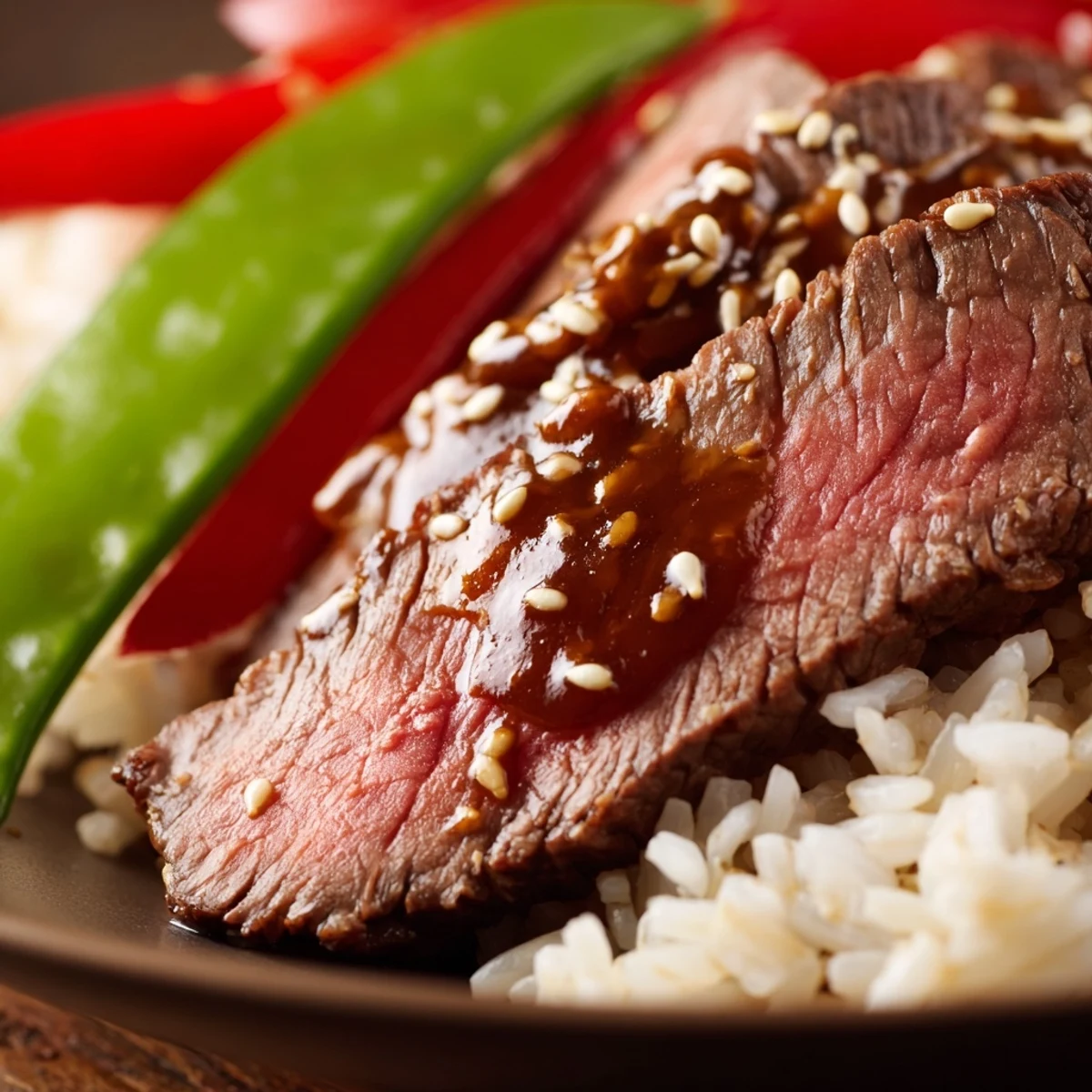
 This bowl has become the lunch I make when I want something that feels nourishing and intentional, and that's really what cooking is about at the end of the day. I hope it becomes something you make over and over too, and that it tastes like care in a bowl.
Recipe Q&A
- → Can I use other cuts of meat?
-
Yes, chicken breast or pork tenderloin work well as alternatives to beef sirloin or flank steak.
- → Is this dish spicy?
-
The base version is not spicy, but you can easily add heat with sriracha or red chili flakes.
- → How can I make this gluten-free?
-
Substitute regular soy sauce with tamari and ensure the oyster sauce used is certified gluten-free.
- → Can I prep the ingredients ahead?
-
Yes, you can slice the vegetables and beef, and mix the sauce up to a day in advance for faster cooking.
- → What other grains can be used?
-
Brown rice or quinoa are excellent substitutes for jasmine rice if you prefer a higher fiber content.